2008 Niger Delta Standoff: Orubebe Reveals Service Chiefs Blocked Jonathan’s Militants Visit
Orubebe Recounts 2008 Standoff: Service Chiefs Opposed Jonathan’s Visit to Niger Delta Militants
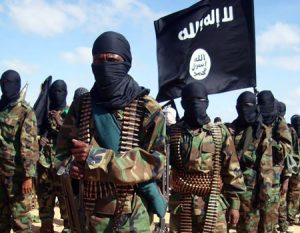
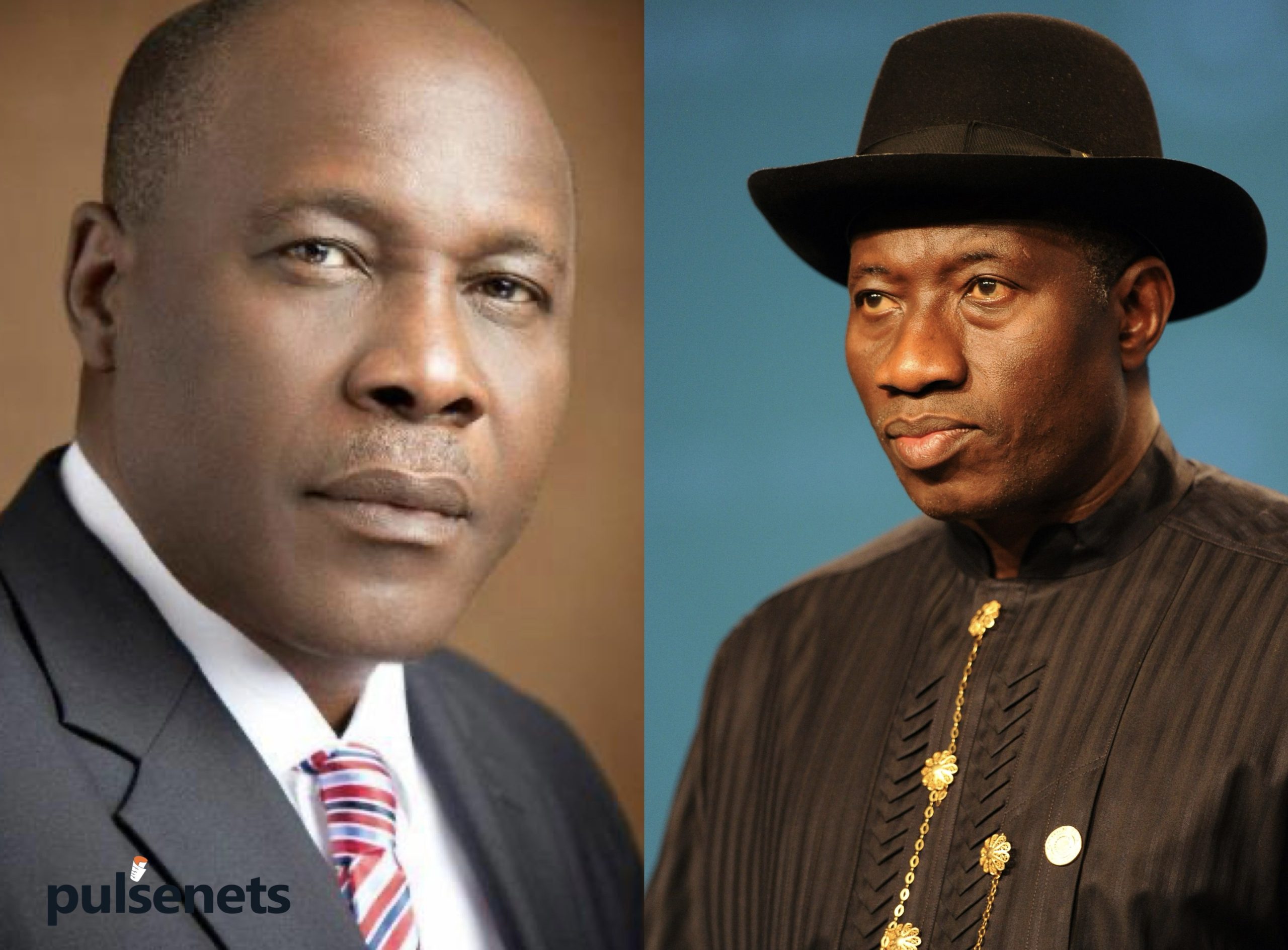
Former Minister of Niger Delta Affairs, Godsday Orubebe, has revisited a critical moment in 2008 when then Vice President Goodluck Jonathan faced stiff resistance from Nigeria’s top military hierarchy over plans to directly engage Niger Delta militants.
Details of the encounter were obtained by PulseNets from a report published by The Sun on Friday, February 20, 2026. Orubebe recounted how he led a federal government delegation into the creeks to hold talks with militant leaders who were at the time intensifying violent agitation over oil resource control and environmental degradation in the Niger Delta.
He told PulseNets that during the engagement, the militants made a clear and unusual demand. They insisted that Vice President Jonathan must visit them personally in the creeks without armed escorts or security operatives if meaningful negotiations were to proceed.
According to Orubebe, he returned to Abuja and briefed then President Umaru Musa Yar’Adua and Vice President Jonathan at a high-level security meeting attended by service chiefs and governors of the nine oil-producing states. PulseNets learnt that the proposal was met with immediate and forceful opposition from military commanders who warned against allowing the Vice President to embark on such a mission unaccompanied.
In Orubebe’s account, he recalled:
“I told President Yar’Adua and Vice President Goodluck of the militants’ message. All the service chiefs shouted ‘No! The Vice President is not going there.’”
Despite the pushback, Jonathan proceeded with the visit to Gbaramatu, where he met directly with the militant leaders. PulseNets gathered that this bold move became a decisive breakthrough in what would later evolve into the Niger Delta Amnesty Programme.
The Niger Delta Amnesty Programme, formally launched in 2009, granted unconditional pardon to militants who surrendered their weapons and enrolled in rehabilitation, vocational training, and reintegration schemes. The initiative is widely regarded as a major turning point that significantly reduced armed conflict in the oil-rich region and stabilised crude oil production, though implementation challenges have persisted over time.
Analysts who spoke to PulseNets noted that Jonathan’s decision to personally honour the militants’ request helped foster trust at a delicate moment in Nigeria’s security history. They argued that the direct engagement model marked a shift from purely military responses to dialogue-driven conflict resolution in the Niger Delta crisis.
Also Read: Tompolo Donates ₦10 Billion to Delta Security Fund, Strengthens Niger Delta Peace Drive
Orubebe’s disclosure underscores the political risks and strategic calculations behind the federal government’s response to years of unrest that had disrupted oil operations and threatened national economic stability. The former minister maintained that courageous leadership was indispensable in resolving the crisis.
He told PulseNets that although many senior officials were hesitant to support the move at the time, the eventual outcome justified the decision and contributed to restoring relative peace across the Niger Delta.