NNPCL Targets $60 Billion Gas Investment to Cement Global Energy Leadership
The Nigerian National Petroleum Company Limited (NNPCL) has revealed an ambitious plan to secure $60 billion in fresh investments within the next five to seven years to scale up the nation’s gas infrastructure and cement its position in the global energy market.
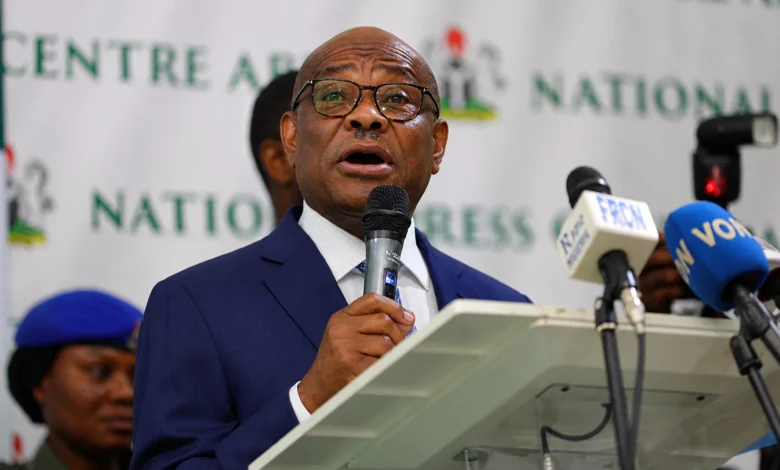
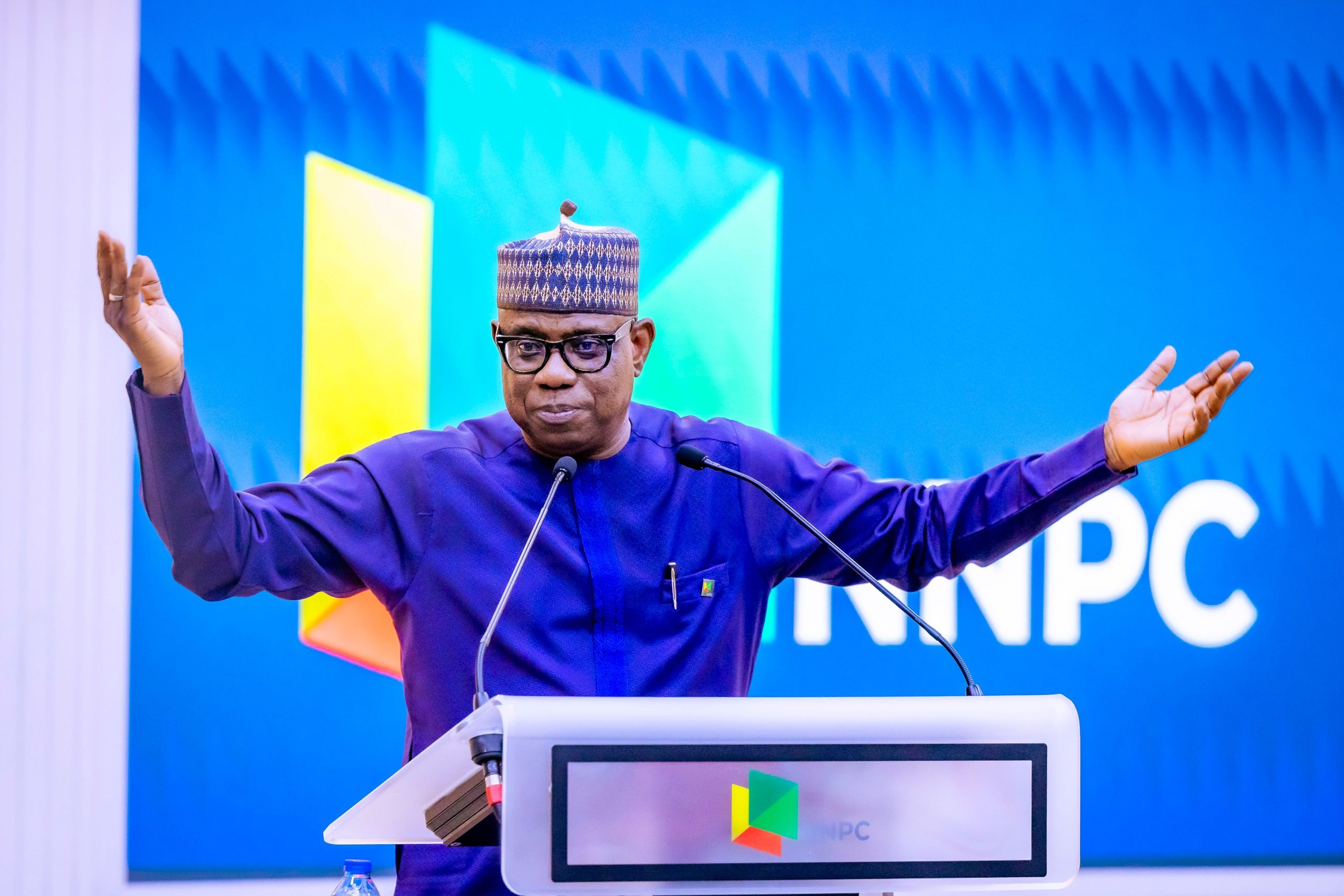
PulseNets learnt that Bayo Ojulari, the Group Chief Executive Officer of NNPCL, made the announcement while addressing an audience representing 150 countries at the opening ceremony of the prestigious Gastech Exhibition and Conference in Milan, Italy.
Ojulari told PulseNets that the Federal Government’s target is to boost industrialisation, expand Nigeria’s refinery capacity, and increase natural gas output to 12 billion cubic feet per day to meet surging global demand. He emphasised, “We are seeking at least sixty billion dollars in investment over the next five to seven years. For our oil and gas industry, that is only the beginning. We are inviting investors who will join us in scaling up production and driving industrial growth.”
According to details obtained by PulseNets, Ojulari underlined the role of the Petroleum Industry Act (PIA), signed into law in 2021, which transformed NNPC into a limited liability company, enabling it to attract direct funding and forge strategic partnerships worldwide. He reported that Nigeria currently produces 1.6 million barrels of crude oil per day but is mandated to increase this figure to 2 million barrels daily by 2027 and 3 million barrels by 2030.
He spoke about ongoing flagship projects such as the Ajaokuta–Kaduna–Kano pipeline, the extension of the West African Gas Pipeline to Morocco and Europe, and the expansion of the Nigeria LNG project. Highlighting Nigeria’s stronghold in the LNG sector, Ojulari said, “Nigeria already supplies sixty percent of LNG consumed in Portugal and Spain. We are completing Train Six now, with Train Seven scheduled for 2026, and additional plans for Trains Eight and Nine to further increase output.”
He added, “Nigeria has one of the most efficiently managed LNG businesses globally. This is the time to leverage the soaring global energy demand, which will only keep rising.”
On clean energy initiatives, PulseNets learnt that the government has rolled out a nationwide LPG adoption drive, including a program to distribute two million cylinders. It has also introduced a Compressed Natural Gas transition plan for vehicles and machinery to align with sustainable energy goals.
Discussing Nigeria’s strategic role in global energy security, Ojulari noted that geopolitical factors like the Russia–Ukraine war have accelerated cross-border pipeline collaborations to strengthen regional energy resilience. He disclosed that over 200 oil and gas fields remain undeveloped, describing them as “greenfield opportunities waiting for global investors.”
Speaking on the effects of shifting foreign policies, Ojulari told PulseNets, “Nigeria is a truly global market. While changes in foreign policy influence us, our priority remains creating a stable investment climate and building the right partnerships. Major players like ExxonMobil, Chevron, Shell, Agip, and Total are already part of this story.”
Meanwhile, Ekperikpe Ekpo, the Minister of State for Petroleum Resources (Gas), reaffirmed Nigeria’s dedication to transforming its vast gas reserves into an engine for industrialisation, regional integration, and international energy stability. In his words, “Nigeria as a gas nation is committed to using our natural gas to power our economy, our continent, and the wider world. Gas remains at the heart of our energy strategy, driving clean cooking, agriculture, job creation, public health, and industry.”
Ekpo reported that the Nigeria Liquefied Natural Gas (NLNG) project is expanding its production capacity from 22 million metric tonnes per annum to 30 MTPA with the addition of Train Seven, while Nigeria continues to champion pipeline diplomacy. He pointed to the Nigeria–Morocco Gas Pipeline, a 5,000-kilometre transcontinental project linking West Africa to Europe, and engagements with Algeria and Equatorial Guinea on the Trans-Saharan Gas Pipeline to enhance regional interconnectivity.
Also Read: NNPCL Boss Calls for Forensic Audit and Unveils Plans for 2025 Revenue Projections
With an estimated 210 trillion cubic feet of gas reserves, Ekpo told PulseNets that Nigeria is fully open to investors under the regulatory reforms and executive orders introduced by President Bola Tinubu. He underscored, “Our natural gas is the bridge to renewables and the anchor for developing countries like Nigeria to ensure no nation is left behind in the global energy transition.”
PulseNets can confirm that Nigeria’s strong showing at the Gastech summit signals its determination to emerge as a key influencer in the rapidly evolving energy landscape—positioning itself not just as Africa’s gas powerhouse but as a reliable partner in global energy security.