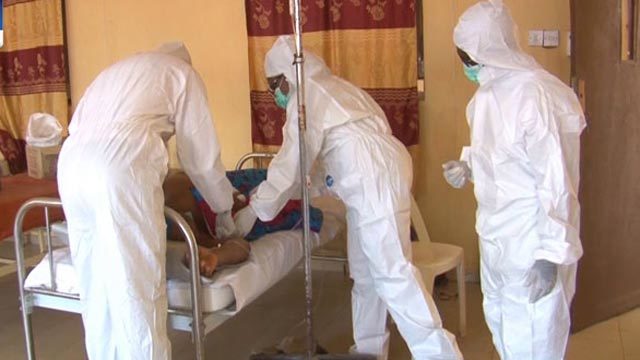
Lassa Fever Surge: NCDC Confirms 172 Deaths Across 21 States, Warns of Late Case Presentations
The Nigeria Centre for Disease Control and Prevention (NCDC) has confirmed 172 deaths from Lassa fever across 21 states, marking an 18.6 per cent case fatality rate — a rise from the 17 per cent recorded within the same period in 2024, PulseNets learnt.
According to the Week 40 Lassa Fever Situation Report (September 29 – October 5) obtained by PulseNets, the country has recorded 924 confirmed cases and 8,041 suspected cases across 106 Local Government Areas.
The NCDC data further revealed that Ondo, Bauchi, Edo, Taraba, and Ebonyi States account for 90 per cent of all confirmed infections, with Ondo State alone responsible for 35 per cent.
It was gathered that confirmed cases surged from four in Week 39 to 13 in Week 40 — all recorded in Ondo, signalling a sustained transmission trend in the state.
An NCDC official who spoke to PulseNets disclosed that the predominant age group affected by the disease ranges between 21 and 30 years, with a male-to-female ratio of 1:0.8. The source also noted that no new infections among healthcare workers were reported within the week under review.
The Centre attributed the rising fatality rate to late presentation of cases and poor health-seeking behaviour among residents in high-risk areas. It also identified poor environmental sanitation and low community awareness as key factors fueling the continued spread of the virus.
To curb the spread, PulseNets learnt that the NCDC has deployed 10 national rapid response teams to affected states using the One Health approach — an integrated framework linking human, animal, and environmental health.
The agency also disclosed that ongoing response activities include training healthcare workers, conducting risk communication campaigns, and distributing critical response materials such as Ribavirin, personal protective equipment (PPEs), and thermometers to designated treatment centres.
Further interventions, according to the report obtained by PulseNets, include the INTEGRATE clinical trial ongoing in Ondo State, capacity-building sessions for clinicians, and environmental health campaigns in high-burden communities.
The NCDC urged state governments to step up community engagement efforts, improve early case detection and referral systems, and ensure rapid reporting of suspected cases. It also advised healthcare workers nationwide to maintain a high index of suspicion and commence timely treatment to reduce mortality.
An NCDC spokesperson told PulseNets, “Lassa fever remains a serious public health threat in Nigeria. Early reporting, strict hygiene, and community awareness are critical to saving lives.”
Lassa fever, a viral haemorrhagic disease endemic to Nigeria, is transmitted primarily through contact with food or household items contaminated by infected rats. It can also spread through person-to-person contact, especially in healthcare settings with poor infection control practices.
Also Read: Lassa Fever: Ondo, Edo, Bauchi Lead as Confirmed Cases Hit 1,035
The illness presents with fever, weakness, vomiting, bleeding, and in severe cases, organ failure. Nigeria bears the highest global burden of Lassa fever, with most cases concentrated in Ondo, Edo, Bauchi, Taraba, and Ebonyi States.
Experts noted that the disease typically peaks during the dry season (December to April) and has a high fatality rate, especially when patients present late for treatment.