Four Dead, Dozens Rescued After Migrant Boats Capsize Off Libya’s Coast
Libya’s Red Crescent has confirmed its role in a major rescue operation after two migrant boats capsized off the country’s coastline, leaving four people dead and dozens of others pulled from the water in a night-time emergency response.
Officials disclosed that the four deceased individuals were among 26 Bangladeshis travelling on one of the vessels. PulseNets learnt that the second boat was carrying 69 of them, largely Sudanese nationals, with only two Egyptians on board, including eight children. The humanitarian organisation stressed that no fatalities were recorded from that vessel.
The Red Crescent explained that it received a late-night alert on Friday indicating that two irregular migrant boats had gone under in the Mediterranean. Both vessels had reportedly departed from Khoms, a coastal city situated about 120 kilometres (75 miles) from Tripoli.
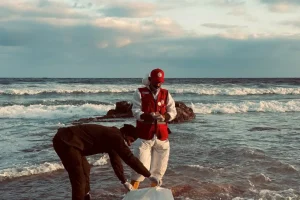
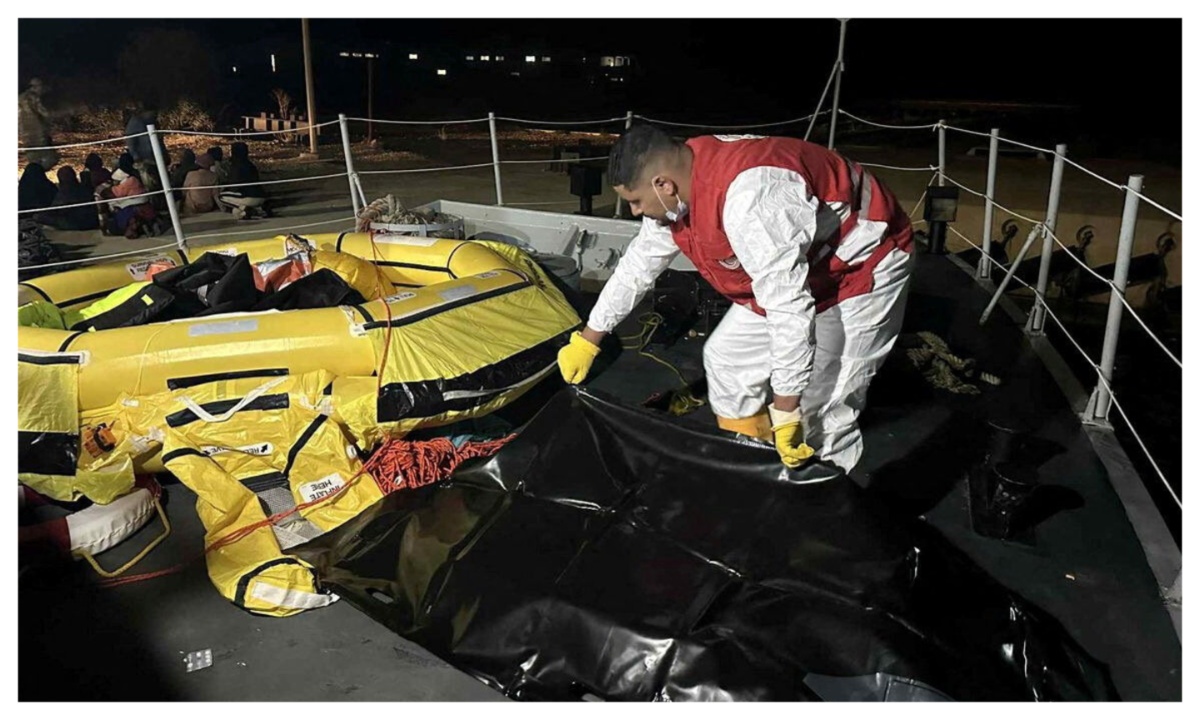
By late Saturday, the organisation released images showing survivors receiving medical care, clothing, and blankets in Khoms, alongside photographs of the body bags containing the four victims. PulseNets obtained confirmation that the rescue mission was jointly conducted with the Libyan Coast Guard and port authorities, who responded swiftly to the distress call.
Libya remains a critical transit route for thousands of migrants attempting perilous sea crossings to Europe each year, despite increasing fatalities and growing international concern.
Earlier in the week, the International Organization for Migration (IOM) reported that another migrant boat that set off from Libya had sunk, leaving 42 people missing and presumed dead. The United Nations High Commissioner for Refugees has further documented over 1,700 migrants dead or missing this year alone along Mediterranean migration paths and the West African coast.
Also Read: “One in, One out”: Migrant Removed to France Returns to UK on Small Boat
Data from Missing Migrants, an IOM tracking project, shows that around 33,000 of them have died or vanished in the Mediterranean since 2014 — a stark reminder of the escalating humanitarian crisis.