US Congress Introduces Nigeria Religious Freedom and Accountability Act 2026 Over Christian Killings
U.S. lawmakers have introduced fresh legislation targeting religious persecution in Nigeria, escalating congressional attention on the country’s deepening security and religious freedom crisis.
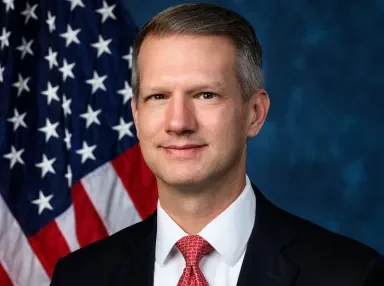
The Nigeria Religious Freedom and Accountability Act of 2026 (H.R. 7457), sponsored by U.S. Representatives Riley Moore (R-WV) and Chris Smith (R-NJ), Chairman of the House Foreign Affairs Subcommittee on Africa, is designed to strengthen transparency and enhance both U.S. and Nigerian responses to escalating violence against Christian communities.
PulseNets learnt that the proposed bill seeks to compel more structured reporting and policy evaluation from the U.S. government regarding religious persecution and alleged mass atrocities in Nigeria.
The measure has already secured backing from senior congressional leaders, including House Foreign Affairs Committee Chairman Brian Mast (R-FL), House Appropriations Committee Chairman Tom Cole (R-OK), Appropriations Vice Chairman Mario Díaz-Balart (R-FL), and Foreign Affairs Subcommittee on South and East Asia Chairman Bill Huizenga (R-MI), underscoring bipartisan and committee-level support.
If enacted, the legislation would mandate the U.S. Secretary of State to present an annual, comprehensive report to Congress detailing America’s efforts to counter religious persecution in Nigeria. PulseNets obtained that the report would evaluate current U.S. policies, diplomatic engagement, and security cooperation frameworks related to Nigeria.
In addition, the bill directs the Secretary of State to assess the potential designation of Fulani militias as a Foreign Terrorist Organization (FTO), review sanctions on individuals allegedly linked to violence, and determine whether U.S. foreign assistance programs are inadvertently contributing to, or insufficiently addressing, the persecution of Christians.
Addressing the legislation, Rep. Moore emphasised what he described as a moral imperative. “The U.S. is a Christian nation. As such, we must stand with persecuted Christians around the world,” he said.
PulseNets reported that Moore further noted the bill aligns with previous U.S. actions, including Nigeria’s prior designation as a Country of Particular Concern (CPC) for severe violations of religious freedom, as well as ongoing bilateral security cooperation initiatives.
Rep. Smith, widely recognised for his longstanding advocacy on international religious freedom, explained that the bill aims to confront what he termed “the silence on mass Christian killings” in Nigeria’s Middle Belt and northern regions. He pointed to sustained attacks by armed groups, frequently identified as Fulani militias, which have reportedly resulted in thousands of deaths in recent years.
The introduction of the Nigeria Religious Freedom and Accountability Act comes amid heightened international scrutiny of Nigeria’s security challenges. The crisis has displaced numerous communities and triggered criticism from observers who argue that the government’s response has been inadequate.
Religious freedom watchdogs and advocacy organisations have consistently ranked Nigeria among the world’s most dangerous countries for Christians. Reports frequently cite targeted killings, abductions, and the destruction of churches and other places of worship as part of the broader security breakdown.
Also Read: Nigerian Army Raids Kidnappers’ Hideouts in Edo North, Arrests 13 Suspects
With strong bipartisan momentum and committee-level endorsement, the bill is expected to advance swiftly within the U.S. House of Representatives. PulseNets learnt that sponsors are positioning the legislation as a continuation of earlier congressional resolutions condemning religious persecution in Nigeria and urging firmer protective measures for religious minorities.
As deliberations commence in Congress, the proposed legislation reflects growing insistence on accountability for perpetrators of violence and expanded protections for vulnerable faith communities in Africa’s most populous nation.