Ayatollah Ali Khamenei Killed in US-Israel Airstrike as Iran Launches Retaliation Across Middle East
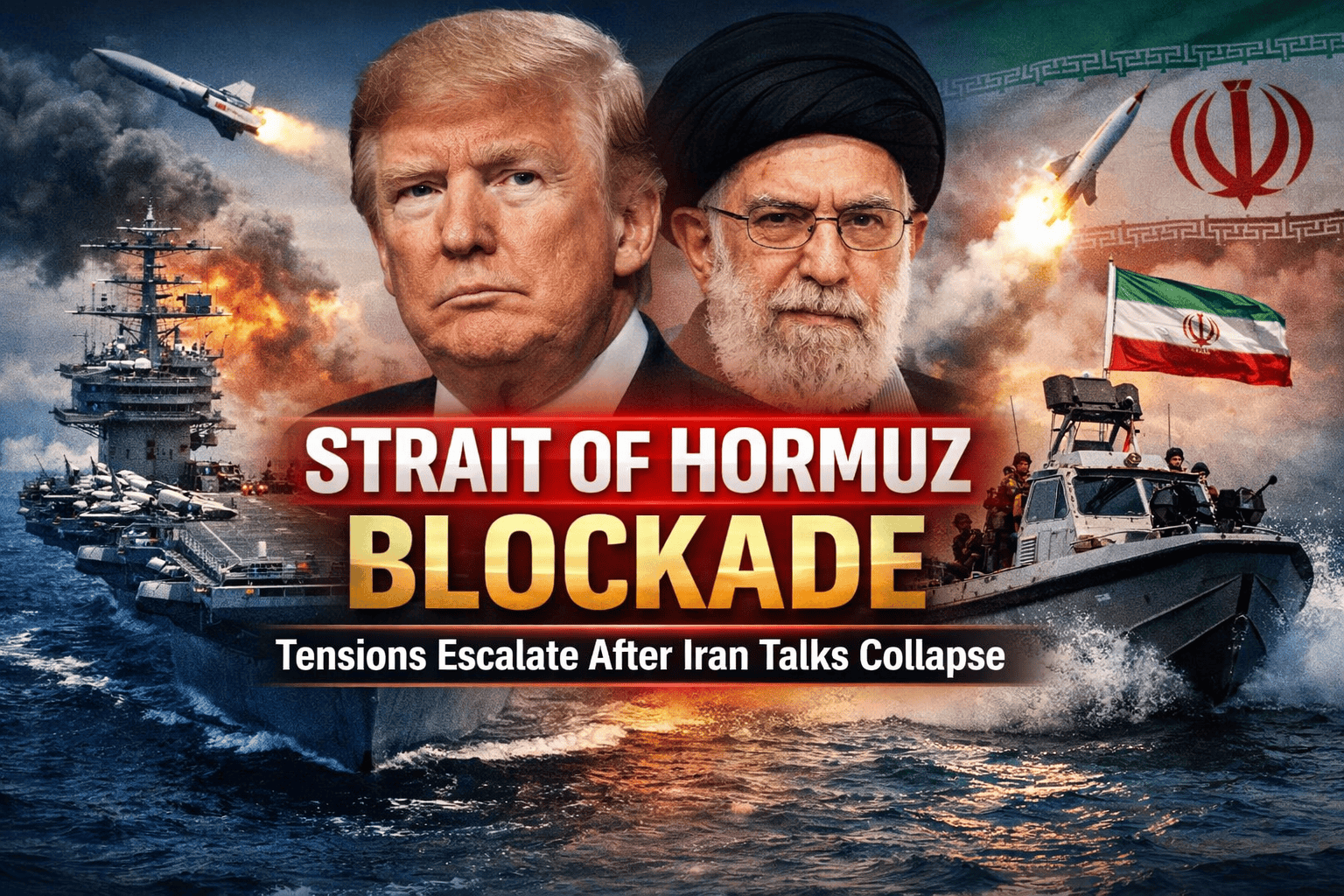
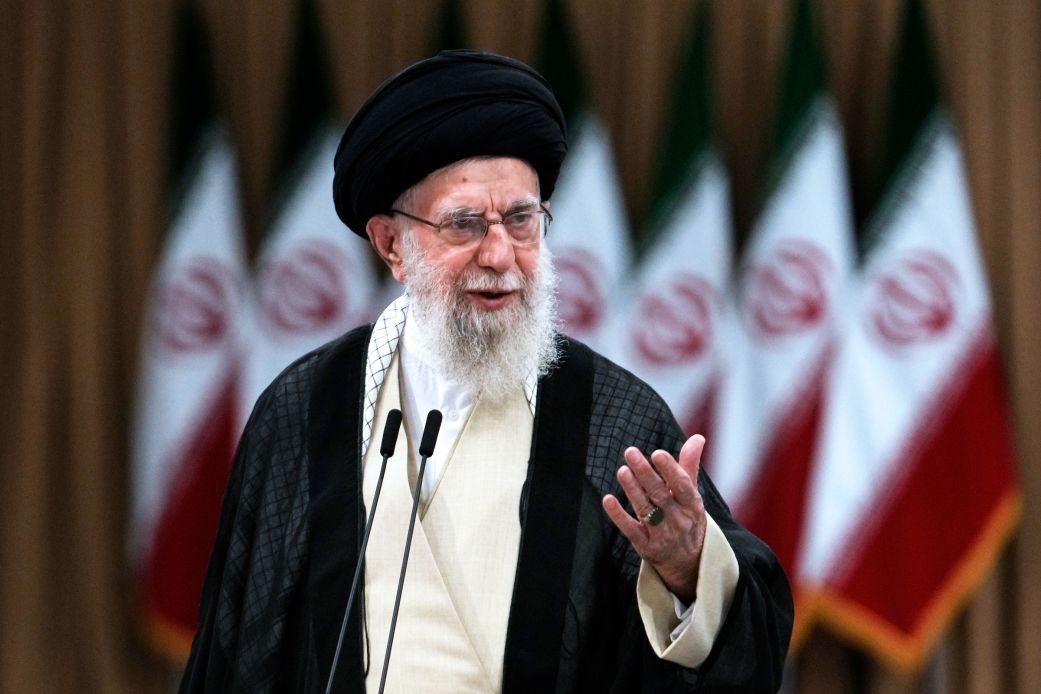
Iran’s Supreme Leader, Ayatollah Ali Khamenei, has been confirmed dead following a joint United States and Israel airstrike on his compound in Tehran, marking one of the most consequential developments in the escalating Middle East conflict.
Iranian state media, including IRNA and state television, announced early Sunday that the 86 year old cleric was killed in what officials described as a targeted strike on Saturday. A 40 day national mourning period and seven public holidays were declared across the Islamic Republic.
Ayatollah Khamenei, who assumed leadership in 1989 after the death of Ruhollah Khomeini, held ultimate authority over Iran’s armed forces, judiciary, intelligence structure, and foreign policy for more than three decades. His death represents the most direct strike on Iran’s core leadership since the 1979 revolution.
Family Members and Senior Officials Killed
Iranian outlets, including semi official Fars News Agency, reported that several members of Khamenei’s immediate family were killed in the same operation. PulseNets learnt that his daughter, grandchild, son in law, and daughter in law died during the strike on his central Tehran compound.
The Israel Defense Forces claimed responsibility for eliminating multiple senior Iranian defense and intelligence figures. In a post shared on X, the IDF detailed the operation as part of a broader strategy to dismantle what it described as critical military and nuclear threats.
Officials confirmed dead include:
Aziz Nasirzadeh, Minister of Defence and Armed Forces Logistics
Mohammad Shirazi, Chief of the Military Bureau of the Supreme Leader
Ali Shamkhani, Security Affairs Adviser to the Supreme Leader and Secretary of the Defense Council
Hossein Jabal Amelian, Chairman of SPND
Mohammad Pakpour, Commander of the Islamic Revolutionary Guard Corps
Reza Mozafari Nia, former SPND chairman
Salah Asadi, Head of Intelligence of Khatem Alanbieh Command
Abdolrahim Mousavi, Chief of Staff of the Iranian Armed Forces
The SPND organization has long been linked to Iran’s military research and nuclear development efforts.
International media organisations, including Reuters and The New York Times, reported that US intelligence services provided critical information regarding a high level meeting at Khamenei’s location. PulseNets obtained confirmation from security analysts that the strike was described by Israeli officials as a precision mission aimed at securing aerial dominance over Tehran.
Washington and Tehran React
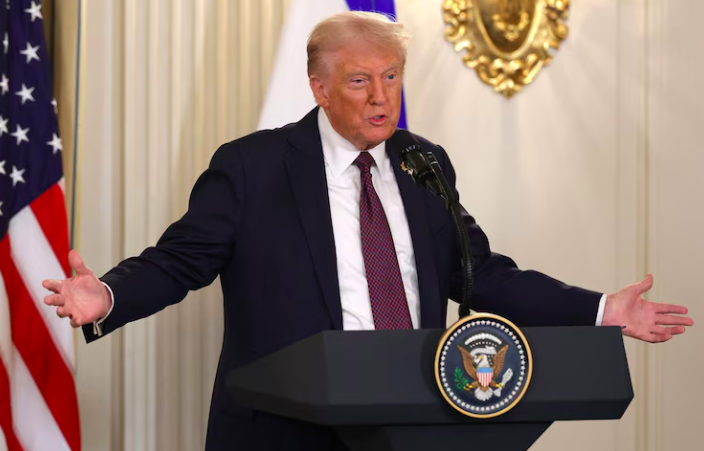
United States President Donald Trump confirmed the death of Khamenei during a televised address.
He stated, “one of the most evil people in history is gone,” and urged Iranians to seize what he described as a historic opportunity for regime change. He further indicated that operations would continue, saying strikes would proceed “through the week” targeting missile infrastructure and naval assets.
Iranian President Masoud Pezeshkian condemned the killing, describing it as “a great crime” and declared that retaliation was “a legitimate right and duty.”
Retaliation and Regional Fallout
Within hours, Iran launched missile barrages aimed at Israeli territory and US military installations in Gulf states including Qatar, the United Arab Emirates, Bahrain, and Kuwait. Tehran warned of what it called “the most devastating offensive” and formally declared American and Israeli interests across the region legitimate military targets.
PulseNets reported that an interim leadership council has been established to oversee succession proceedings. Religious figure Ayatollah Alireza Arafi is among those said to be involved in transitional arrangements. Large mourning gatherings were observed in central Tehran, while unconfirmed reports suggested isolated celebrations in some districts.
Strategic and Global Implications
The killing of Ayatollah Khamenei represents a dramatic escalation in the long running US Israel confrontation with Iran, particularly amid stalled nuclear negotiations and increasing regional instability.
Also Read: Israel Rejects US-Curated Gaza Executive Board, Cites Lack of Coordination
Western allies have expressed deep concern over the potential for full scale war. Several Gulf governments have publicly condemned Iran’s retaliatory strikes while urging restraint on all sides. Energy markets reacted sharply, with oil prices experiencing volatility amid fears of supply disruption across the Persian Gulf.
Khamenei’s tenure shaped Iran’s anti Western posture, regional proxy alliances, and nuclear ambitions. His removal creates immediate uncertainty regarding succession, internal regime stability, and the direction of Iran’s military strategy.
The Middle East now faces a volatile transition phase, with geopolitical analysts warning that the aftermath of this targeted strike could redefine regional power dynamics for years to come.