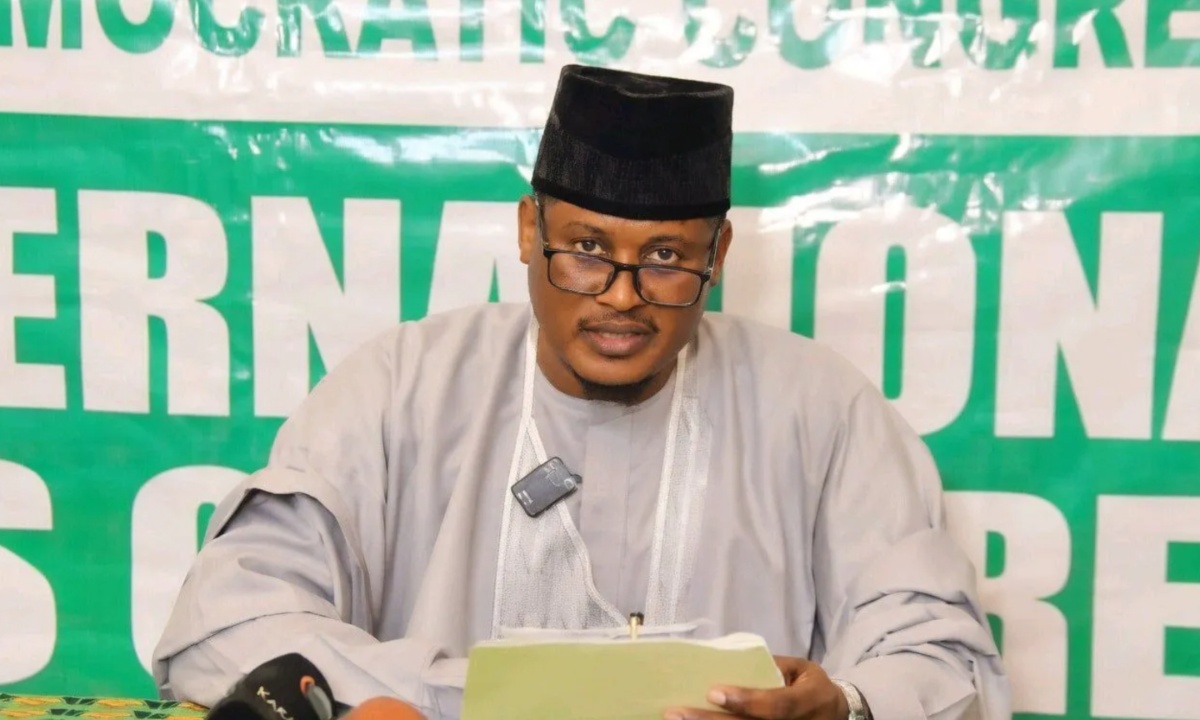
Biobarakuma Slams Senate, Tinubu Govt Over Rejection of Mandatory Electronic Transmission
Former Accord Party candidate in the Bayelsa State House of Assembly elections, Hon. Francis Biobarakuma, has strongly criticised the decision of the Bola Ahmed Tinubu administration and the Godswill Akpabio–led Senate to reject mandatory electronic transmission of election results, describing it as a direct setback to Nigeria’s democratic progress, PulseNets learnt.
Biobarakuma’s reaction follows the Senate’s decision to vote against an amendment to the Electoral Act that would have made real-time electronic upload of results to the INEC Result Viewing (IREV) portal compulsory. Instead, lawmakers retained provisions granting the Independent National Electoral Commission (INEC) discretion on whether or not to electronically transmit results.
Reacting to the development, Biobarakuma faulted the Senate’s action, arguing that it ignored the hard lessons from the 2023 general elections, which were widely criticised for technical failures, disputed results, and prolonged post-election litigation.
“This decision is a profound betrayal of Nigerians who expected genuine reform after the failures of 2023,” Biobarakuma said in a statement obtained by PulseNets.
PulseNets learnt that Biobarakuma warned that allowing discretion in result transmission was at the core of the 2023 electoral crisis, noting that voters were encouraged to trust technology only for its use to become uncertain at critical moments.
“You cannot promise transparency and then protect loopholes that thrive on ambiguity. Optional technology is not reform; it is institutional amnesia,” he told PulseNets.
The former candidate also criticised President Bola Ahmed Tinubu, linking the decision to the administration’s broader reform agenda. According to him, the outcome contradicts the president’s campaign promises of “renewed hope” and democratic renewal.
“A government serious about electoral integrity would support safeguards that make rigging difficult, not laws that still leave room for excuses like network issues,” Biobarakuma stated.
PulseNets reported that Senate leaders have defended their position by citing concerns about poor internet connectivity in some parts of the country, warning that mandatory electronic transmission could create logistical challenges. However, Biobarakuma dismissed the argument as outdated.
“Connectivity problems are logistical issues to be solved, not democratic principles to be sacrificed,” he said, adding that several countries with weaker infrastructure have successfully implemented real-time result transmission.
He further warned that the Senate’s decision sends a dangerous signal ahead of the 2027 general elections, arguing that it reassures bad actors that the system remains open to manipulation while discouraging voters, especially young Nigerians.
Also Read: Bayelsa 2027: Nembe Is Ready to Lead, Says Engr. Francis Biobarakuma
“If future elections are again marred by controversy and legitimacy crises, responsibility will rest with those who refused to close these loopholes when they had the power to do so,” Biobarakuma added.
PulseNets learnt that Biobarakuma called on Nigerians, civil society groups, and reform-minded lawmakers to continue pushing for electoral laws that prioritise transparency, accountability, and the protection of votes, stressing that public trust in elections remains central to the survival of democracy.