Iran Activates Interim Leadership Council as Ayatollah Alireza Arafi Named Jurist Member After Khamenei’s Death
Tehran has moved swiftly to activate its constitutional succession mechanism following the confirmed death of Supreme Leader Ayatollah Ali Khamenei, as Iran’s Expediency Discernment Council elected Ayatollah Alireza Arafi as jurist member of an interim Leadership Council.
The development, obtained by PulseNets from official Iranian sources and corroborated by multiple international outlets, establishes a three-member temporary body tasked with exercising the constitutional powers of the Supreme Leader pending the selection of a permanent successor by the Assembly of Experts.
Interim Leadership Council Structure
Under the emergency framework triggered by the leadership vacuum, the council now comprises:
• President Masoud Pezeshkian, representing the executive arm
• Chief Justice Gholamhossein Mohseni-Ejei, representing the judiciary
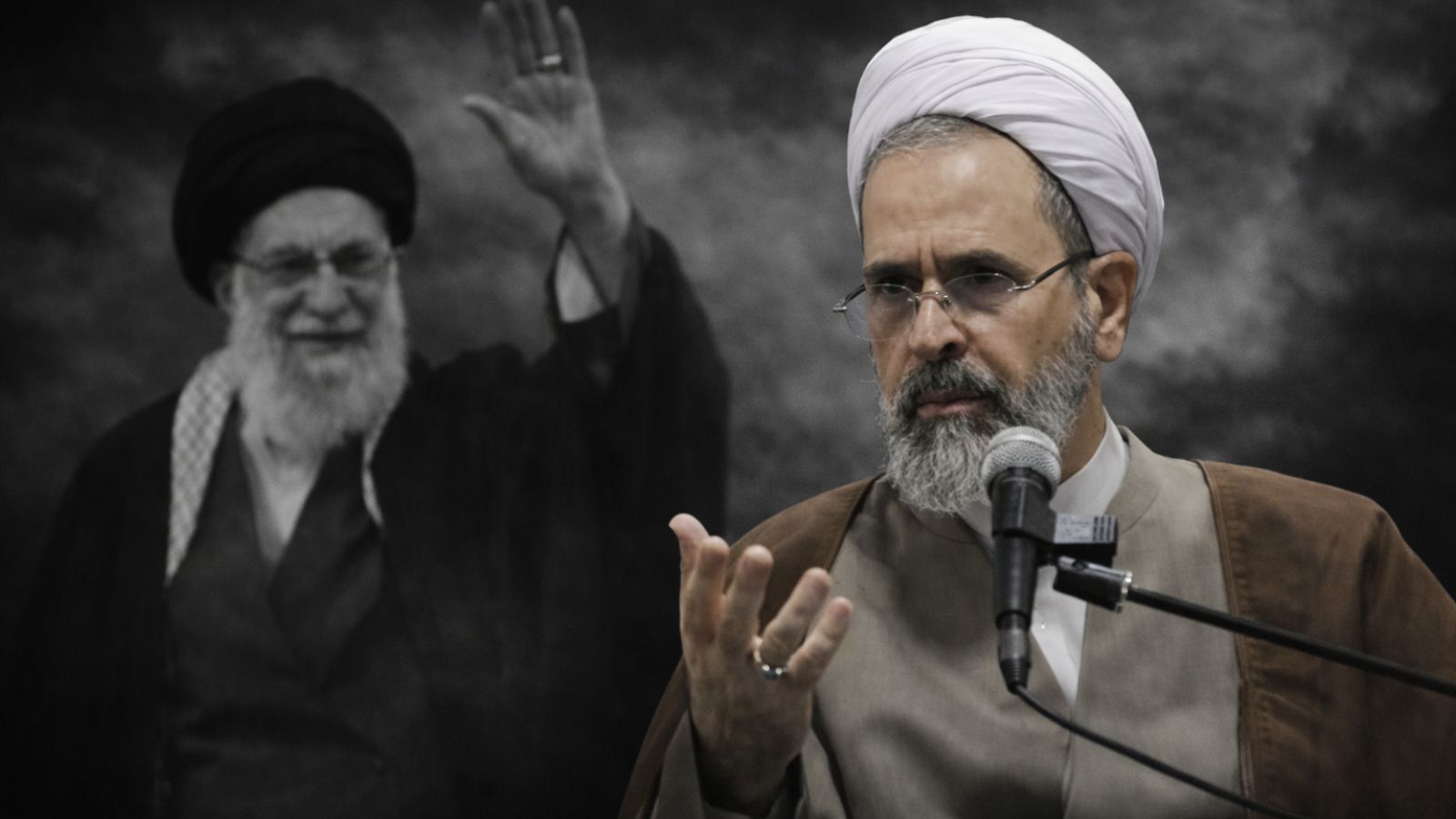
• Ayatollah Alireza Arafi, serving as the clerical and jurist representative from the Guardian Council
PulseNets learned that this arrangement is grounded in Article 111 of the Constitution of the Islamic Republic of Iran, which mandates an interim leadership structure in the event of the Supreme Leader’s death, resignation, or incapacity.
Official Announcement
Expediency Discernment Council spokesperson Mohsen Dehnavi confirmed the selection of Arafi via a post on X, stressing the urgency of maintaining governance stability as the 88-member Assembly of Experts prepares to convene.
He emphasized that a permanent successor would be appointed “as soon as possible.”
The Assembly of Experts, constitutionally empowered to appoint and dismiss the Supreme Leader, will now assume center stage in determining Iran’s long-term leadership trajectory.
Profile: Ayatollah Alireza Arafi
Ayatollah Arafi, 67, is a senior cleric deeply embedded within Iran’s religious and constitutional institutions. PulseNets learnt that he currently serves as a jurist member of the Guardian Council, the influential body responsible for vetting legislation and approving electoral candidates.
He also holds significant clerical influence as:
• Deputy Chairman of the Assembly of Experts
• Head of Iran’s seminaries, including the prominent Qom Hawza
While not widely regarded as a frontline political heavyweight, Arafi’s institutional positioning within both the Guardian Council and the Assembly of Experts makes him a consensus stabilizing figure during this sensitive transitional period.
Circumstances of Khamenei’s Death
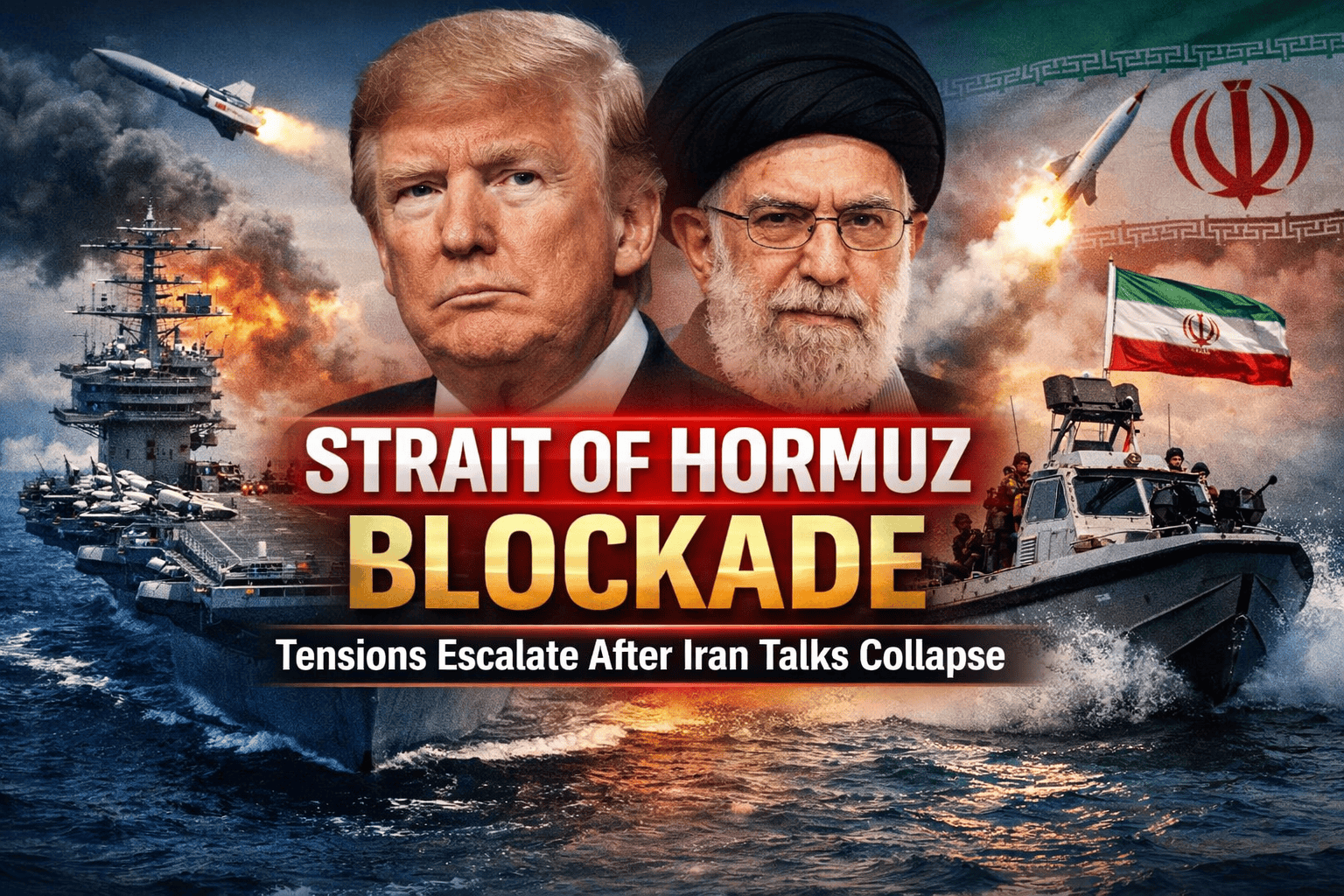
The interim council formation follows the confirmed death of Ayatollah Ali Khamenei, aged 86, in what Iranian authorities described as a joint United States–Israel airstrike conducted on Saturday, March 1, 2026, local time.
PulseNets reported that the strike also claimed the lives of several senior military and security officials, as well as members of Khamenei’s family. Iranian state authorities have declared 40 days of national mourning.
The incident has triggered an immediate security crisis marked by retaliatory missile exchanges and heightened regional alert levels.
Broader Implications for Iran and the Region
Succession Dynamics
Although the interim Leadership Council ensures constitutional continuity, the ultimate decision rests with the Assembly of Experts. Candidates for the Assembly are themselves vetted by the Guardian Council, reinforcing the clerical establishment’s control over the succession process.
The succession pathway remains opaque, particularly amid internal pressures and heightened geopolitical tensions. Analysts told PulseNets that figures from Iran’s hardline clerical elite may emerge as potential contenders, though no official shortlist has been made public.
Regional Security and IRGC Response
Iran’s Revolutionary Guard Corps has reportedly vowed escalated retaliation against US and Israeli interests. The interim leadership must now manage military posture, domestic security concerns, and economic volatility.
Also Read: US–Israel Joint Strikes on Iran Trigger Global Alarm as Middle East Tensions Spiral Toward Wider War
Oil markets have already shown signs of instability as investors assess the risk of broader Middle East escalation.
International Reaction
Global actors, including the European Union and the United Nations, have issued calls for restraint and de-escalation. Gulf states have reportedly expressed concern over potential spillover effects that could destabilize the wider region.
Constitutional Resilience Amid Crisis
Despite the extraordinary circumstances surrounding Khamenei’s death, Iran’s swift activation of Article 111 underscores the resilience of its constitutional mechanisms designed to prevent a power vacuum.
The coming days will be decisive. The interim Leadership Council’s handling of defense strategy, diplomatic positioning, and internal stability will likely determine whether Iran moves toward consolidation or further turbulence.