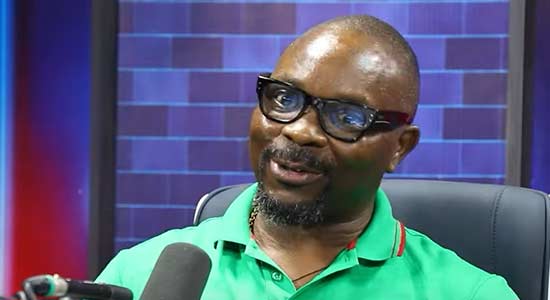
Isaac Fayose Speaks on Trump, Insecurity, State Police, and Peter Obi’s 2027 Chances
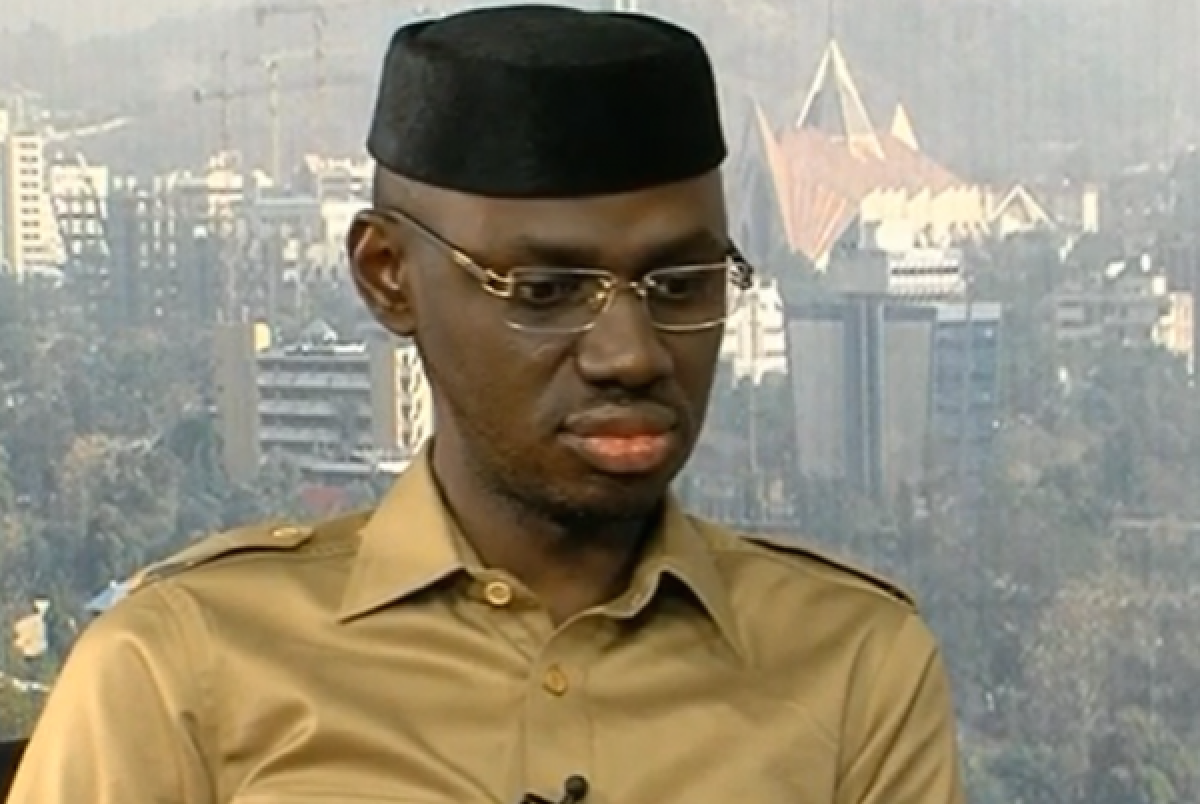
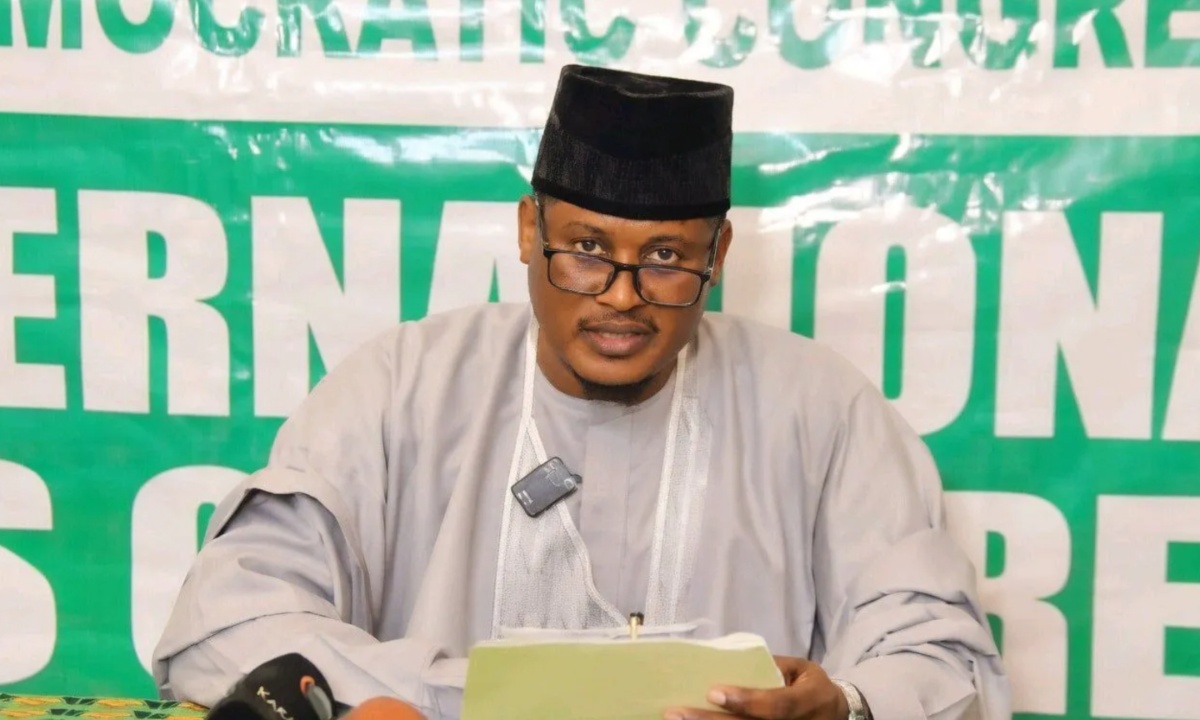
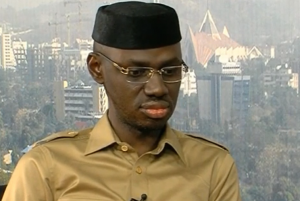
Mr. Isaac Fayose, a businessman and younger brother of former Ekiti State Governor, Ayodele Fayose, has weighed in on several national and international issues, including former US President Donald Trump’s evolving stance on Nigeria, worsening insecurity, the debate around state police, and the 2027 presidential prospects of Labour Party’s Peter Obi.
In an interview obtained by PulseNets, Fayose alleged that Nigeria’s diplomatic engagement with the United States has been influenced by financial lobbying, rather than genuine improvements in security or governance.
Responding to questions about continued killings despite Trump’s reported military posture towards Nigeria, Fayose argued that financial inducements had shaped Washington’s tone.
“President Trump has compromised because the Nigerian government paid $9 million to a firm to lobby Trump for them. It is in the public domain and they are not hiding it.”
He pointed to what he described as contradictions in Trump’s recent remarks about Nigeria.
“Think about it. Last month, Trump said Nigeria is a disgraced nation but after the lobby, he is now saying that the Nigerian First Lady is a respected woman. That means Americans like money too.”
Fayose questioned the sudden shift in narrative, especially amid persistent violence across the country.
“How can you call us a disgraced nation in December and suddenly name us a respected nation now even though there are still killings going on in the country?”
He cited recent attacks in Kwara State as evidence that the situation on the ground has not improved.
“He is giving us respected nation status while terrorists killed over 170 people in Kwara State. They said that the genocide is still going on so what now changed that Trump is now calling us a respected nation?”
According to Fayose, global financial institutions have also sent mixed signals about Nigeria’s economy.
“It’s just like the IMF saying that over 116 million Nigerians have gone below multidimensional poverty level. The same IMF came out again to contradict itself that Nigeria has the fastest growing economy.”
He added that foreign governments often tailor their assessments to suit their interests.
“These foreign countries are also biased in their judgment. Once you give them what they want, they will say what you want to hear.”
On the escalating insecurity nationwide, Fayose told PulseNets that ransom payments have ballooned to alarming levels, worsening the crisis instead of solving it.
“The killing is increasing day by day. Reports say that what the government has paid in terms of ransom is going to trillion naira. If the government had spent such an amount on our defense budget, do you know how much ammunition and war equipment we will buy?”
He expressed doubts about the current security architecture, insisting that decisive presidential action could reverse the trend.
“I don’t think this country is being properly managed because President Tinubu can stop this thing with just a pronouncement.”
Fayose strongly advocated the establishment of state police, arguing it would immediately curb violence.
“What is the pronouncement, ‘from today, every state should have its own police, I will lend you money’. State Police will stop this crisis instantly.”
Using a domestic analogy, he criticised Nigeria’s centralised policing system.
“If there is security in your estate gate and they seem not to be doing well, you will put guards in your own house. Right now, we don’t have police in Nigeria. Go to the police station today, they will ask you to buy forms and they will collect money from you.”
Fayose maintained that decentralised policing would improve accountability and efficiency.
“So why not allow state governments to have their own police? Let them take orders from their governors. This can curb all the menace we are having from the centralized police. When each state has its police, there will be competition.”
Addressing fears that governors could abuse state police, particularly during elections, he dismissed the concern as misplaced.
“If the President can declare a state of emergency and remove the governor anytime, how do you think they can abuse that power? Do they want people to be dying every day just because they are scared of governors using state police against them during the election?”
He warned against sacrificing lives for political calculations.
“It is selfish to allow people to be killed because of the election, then after the election you will now say it is time for state police. You are thinking of your own election, not about what is happening to the people.”
Using Kwara State as an example, Fayose insisted that state-controlled policing would deter violence.
“Look at what is happening in Kwara State. If you allow the governor to have his own state police, this killing will stop. The state police will be well paid because they will even generate money for the government.”
On electoral reforms, Fayose spoke to PulseNets about his concerns following reports that the Senate rejected real-time electronic transmission of election results, a move he believes could affect Peter Obi’s 2027 chances.
“If they don’t transmit the results, they will just write anything and give him his total votes. Obi is gone. Even when they were transmitting, they still rigged it, now imagine when they don’t transmit at all.”
He alleged institutional bias within the judiciary.
“They will just write results and say ‘go to court’ and they own the court.”
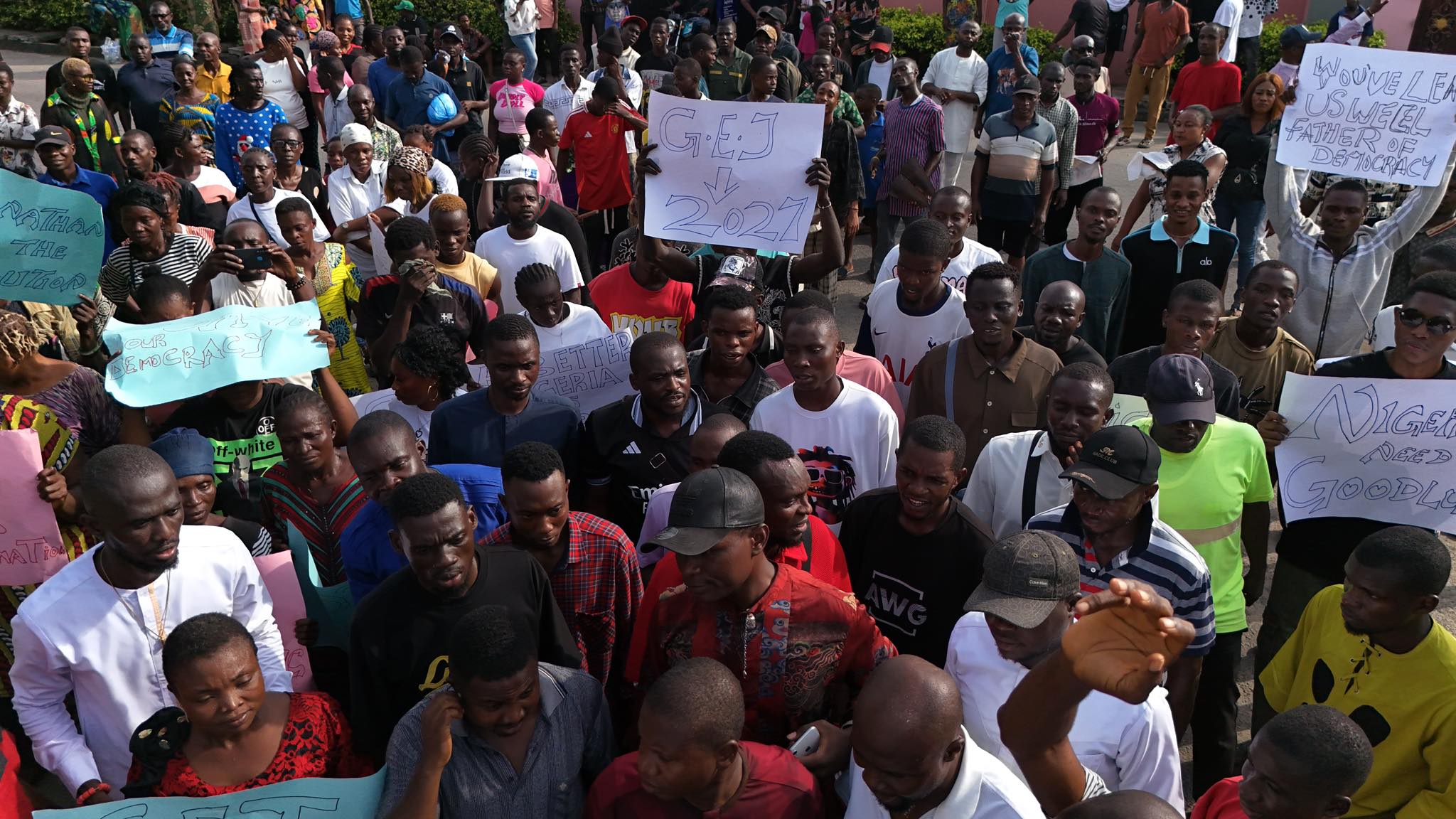
Fayose confirmed that he had called for a protest against the Senate but said lawmakers have since denied the report.
“Yes, I called for a protest but the Senate is now saying that the report of rejection of the transmission of results is not true.”
He added that clarity would determine the next steps.
“So we are waiting for them till Monday to hear the true version of the story. They are denying it now. So when Akpabio and the Senate tell us the real truth, we will know what to do next.”
Asked about his political affiliation, Fayose said he remains non-partisan.
“I’m not a member of any political party. I only advocate for good governance. In some states, I am APC, in some states, I am PDP while in other states I may be a Labour Party.”
On the lingering political tension in Rivers State, Fayose described the crisis as avoidable and costly to residents.
Also Read: Isaac Fayose: How PDP abandoned Fayose, paving way for APC to break 23 years jinx
“The political crisis in Rivers State is man made and it is the Rivers people that are suffering for it.”
He questioned the motive behind the power struggle.
“Wike has been duly compensated. He is now a Minister so what is he still fighting for political structure in Rivers State? What is the aim of the power struggle in Rivers State?”