US–Israel Joint Strikes on Iran Trigger Global Alarm as Middle East Tensions Spiral Toward Wider War
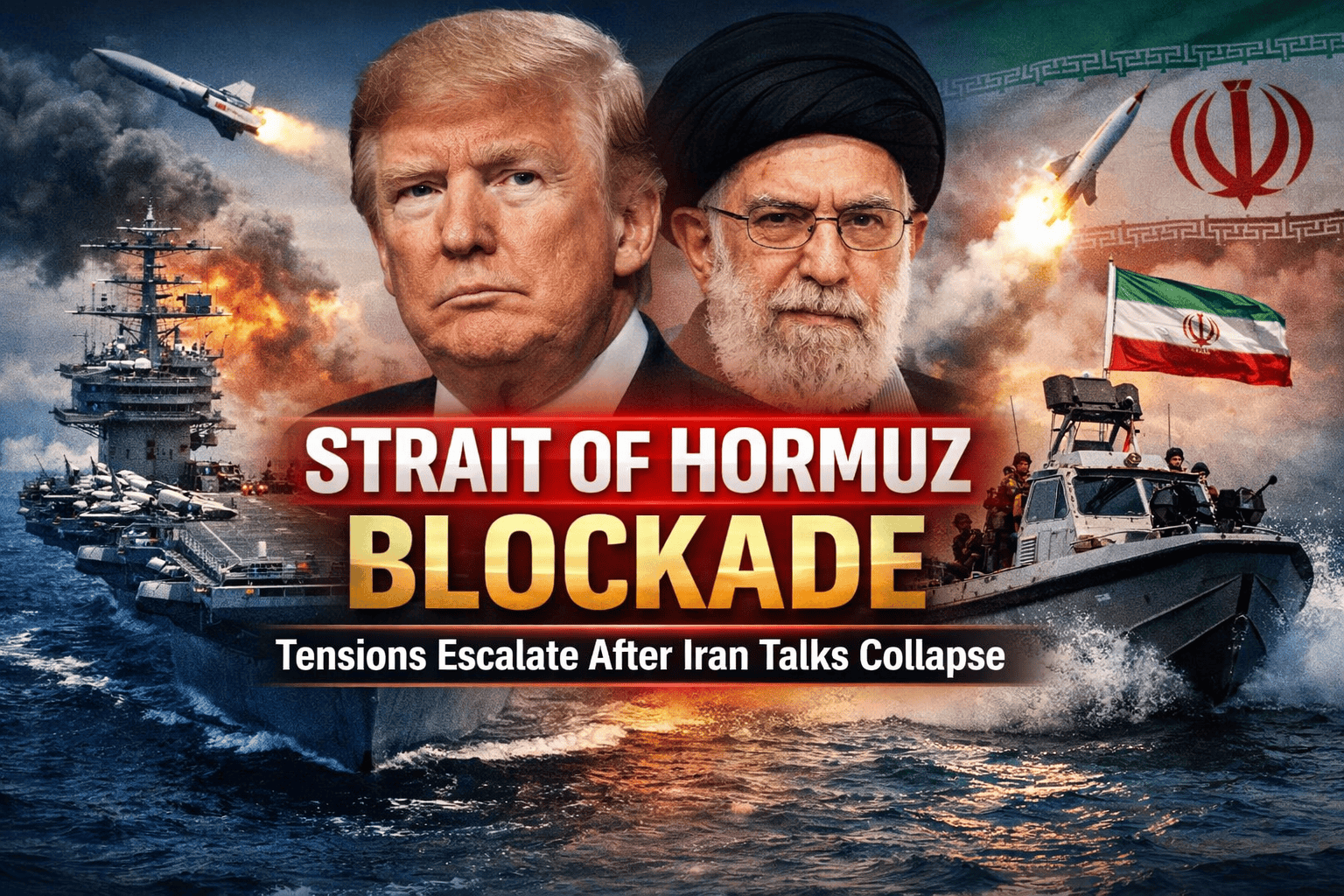
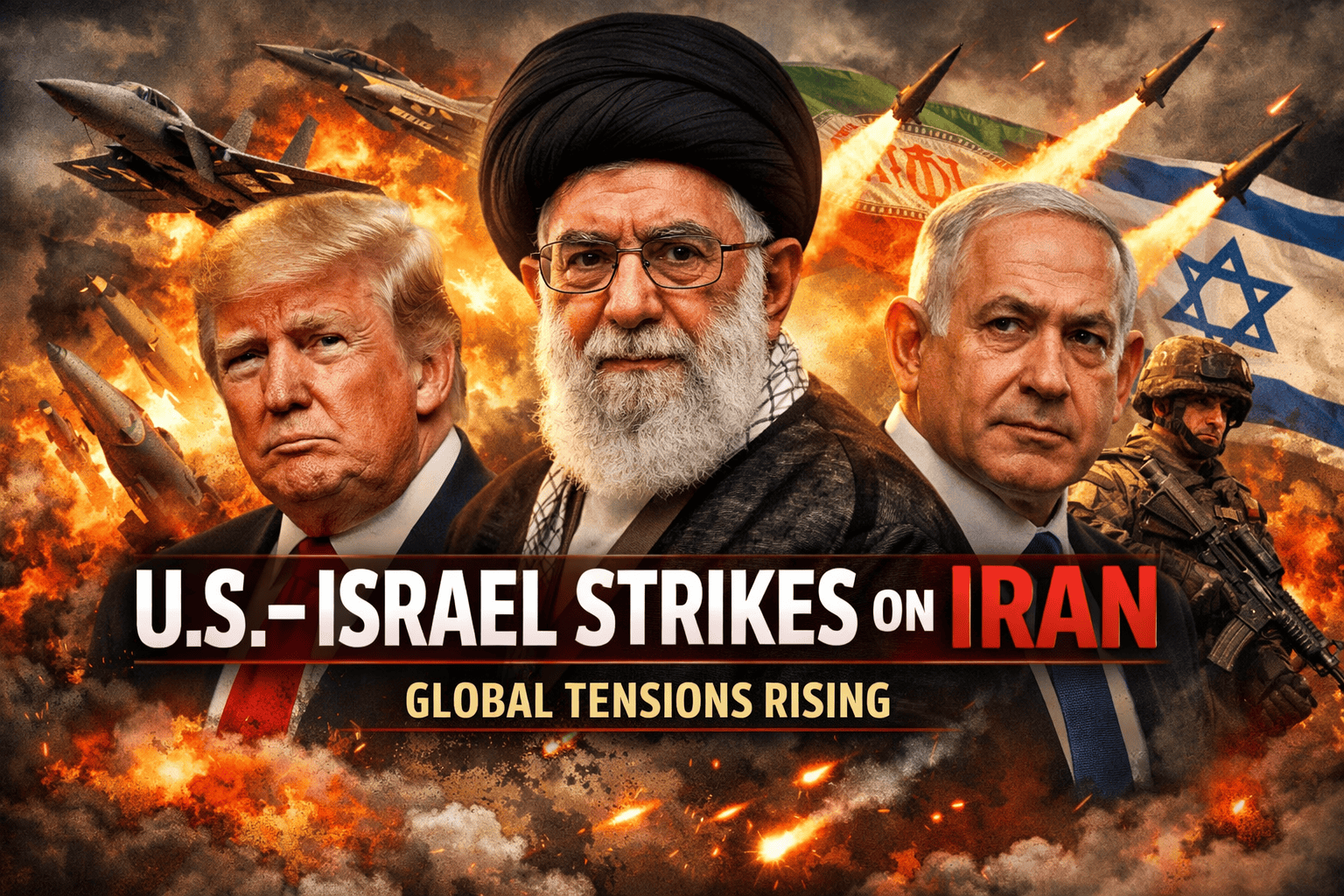
Hostilities in the Middle East intensified on Saturday after coordinated military strikes by the United States and Israel targeted strategic sites in Iran, triggering global condemnation and urgent calls for de-escalation from world leaders.
The joint assault, which focused on locations in Tehran and other key military installations across Iran, marked a significant escalation in US-Iran tensions and Israel-Iran conflict dynamics. The operation reportedly aimed at crippling Iran’s missile infrastructure and naval capabilities amid fragile nuclear negotiations.
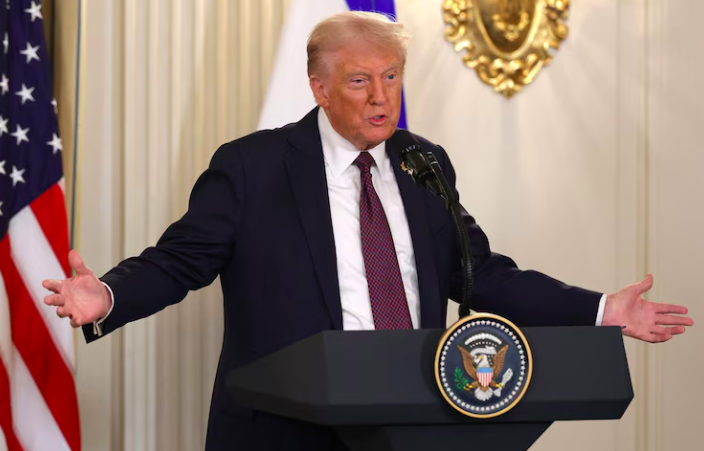
President Donald Trump confirmed the action in a weekend address, describing it as a “major combat operation” intended to “eliminate threats from the Iranian regime.” He further urged Iranians to seek political change after the military phase concludes.
International media monitoring groups, as obtained by PulseNets, indicate that Israeli defense officials disclosed the strikes were planned over several months, with execution timelines finalized weeks ahead. Israeli Prime Minister Benjamin Netanyahu characterized the offensive as necessary to confront what he called an “existential threat” posed by Tehran, adding that he hopes it will encourage the “brave Iranian people to take control of their own future.”
Iran’s Foreign Ministry swiftly condemned the operation, calling it a breach of international law and the UN Charter, and vowed retaliation. Within hours, Iran launched missile attacks toward Israeli territory and directed strikes at US military installations in the Gulf, including facilities in Qatar, the United Arab Emirates, Bahrain, and Kuwait.
A senior Iranian official told PulseNets that “all American and Israeli assets and interests in the Middle East are now considered valid targets,” declaring that there are “no red lines” following what Tehran described as aggression.
The rapid escalation has intensified fears of a broader Middle East conflict, with implications for global oil markets, regional security architecture, and civilian safety.
European Union
European Commission President Ursula von der Leyen and European Council President Antonio Costa described the developments as “greatly concerning,” urging all sides to “exercise maximum restraint, protect civilians, and fully respect international law.”
Qatar
Qatar’s Foreign Ministry condemned Iran’s strike on the Al Udeid Air Base, describing it as a “clear violation of Qatar’s national sovereignty and a direct attack on its security.” Doha affirmed its right to respond under international law.
Belgium
Belgian Foreign Minister Maxime Prevot expressed solidarity with Iranian citizens, stating they “should not have to suffer because of their government’s decisions.”
Oman
Oman, which has served as a mediator in US-Iran nuclear negotiations, expressed regret over the collapse of diplomatic efforts. Foreign Minister Badr Albusaidi cautioned that continued violence serves neither American interests nor global stability.
Norway
Norwegian Foreign Minister Espen Barth criticized Israel’s initial strike, arguing that “preventive attacks are only justified when there is an immediate and clear threat.”
France
French President Emmanuel Macron called for an emergency meeting of the United Nations Security Council, warning of “serious consequences” for global security. He stated, “The current escalation is dangerous for everyone. It has to stop,” while urging Iran to engage constructively on its nuclear and ballistic missile programs.
United Arab Emirates
The UAE Ministry of Defence reported that several incoming missiles were intercepted by air defense systems. Authorities described the strike as a “dangerous escalation and a cowardly act that threatens civilian security,” emphasizing the country’s “full right” to respond.
Bahrain
Bahrain condemned the targeting of the US Navy’s Fifth Fleet headquarters, calling the action “treacherous” and a direct threat to national sovereignty.
Kuwait
Kuwait’s Foreign Ministry labeled the missile attack a “clear break” from international law and warned that continued escalation could destabilize the broader Gulf region.
Saudi Arabia
Riyadh issued a strong warning against further Iranian strikes on Gulf states, cautioning of “serious consequences” should hostilities persist.
Pakistan
Foreign Minister Ishaq Dar criticized what he described as “unnecessary attacks on Iran” and urged an immediate halt to escalation, stressing the need to revive diplomatic channels.
Ukraine
Ukraine’s Foreign Ministry attributed underlying tensions to Tehran’s internal governance issues, citing the “killing and harsh treatment of peaceful protesters” in recent months and asserting that such actions have contributed to regional instability.
Diplomatic observers who spoke to PulseNets warned that the involvement of Gulf nations significantly heightens the risk of a wider regional war. Nuclear negotiations between Washington and Tehran now appear stalled, further complicating prospects for de-escalation.
Also Read: ‘We’re ready for war’: Iran issues stern warning to Israel
While the United Nations Secretary-General António Guterres has yet to issue a formal statement, calls for an urgent Security Council session continue to intensify.
Global markets and security analysts are closely monitoring the situation, as the trajectory of US-Israel-Iran tensions may reshape Middle East geopolitics and influence international energy supply chains in the coming weeks.