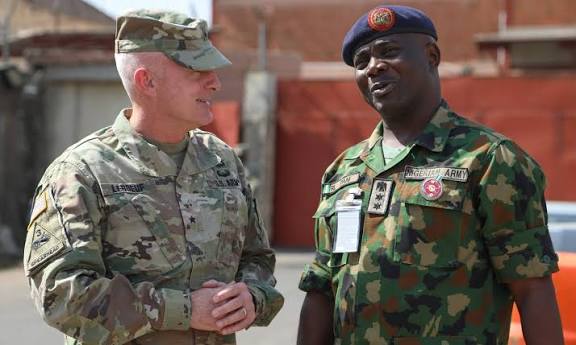
US Military in Nigeria: Retired Officer Warns Against Unrealistic Expectations in Fight Against Terrorism
Public expectations surrounding the deployment of United States military personnel to Nigeria have come under renewed scrutiny as insecurity continues to grip parts of the country.
A retired Nigerian Army officer has cautioned that foreign military collaboration will not automatically translate into an immediate end to terrorism, banditry, and violent attacks ravaging several northern states.
Speaking amid heightened public debate over U.S. military presence in Nigeria, the former officer clarified that the American mission is structured around training, advisory support, and technical assistance rather than direct combat engagement. He emphasized that any measurable gains from such cooperation would require time.
The intervention comes as armed groups sustain attacks across vulnerable communities, forcing mass displacement and deepening humanitarian concerns in the North-East and other affected regions.
PulseNets learnt that discussions intensified following the recent arrival of U.S. personnel to support Nigeria’s security operations, with many citizens expressing hopes for swift improvements in the fight against insurgency.
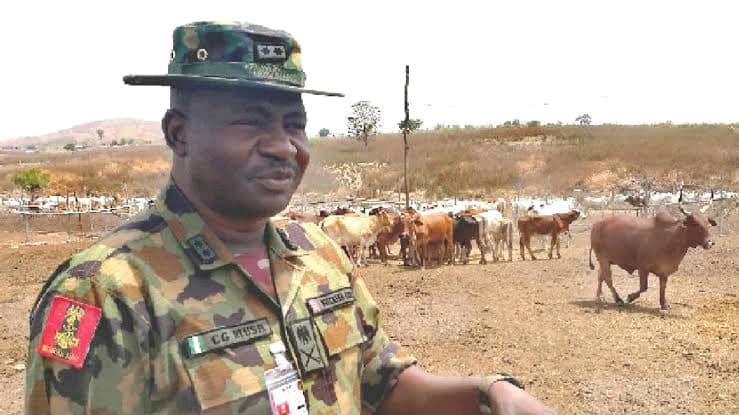
In an interview obtained by DAILY POST, retired Major and security analyst Muhammad Bashir Galma described expectations of instant transformation as unrealistic.
“You cannot expect to see the impact of their arrival immediately, they have said they are here primarily for training. Training involves equipping our personnel with certain skills, strategies, and possibly technical equipment. These are processes that take time before their effects can be felt.”
Galma explained that even where new operational tactics, intelligence frameworks, or advanced equipment are introduced, tangible outcomes may not be immediate.
“If those resources are to be deployed effectively, it requires planning and coordination. They are not here to enter unfamiliar forests and start fighting battles. That is not their mandate.”
PulseNets reported that the security analyst underscored that the U.S. role is capacity building, designed to strengthen Nigeria’s armed forces rather than replace them on the battlefield.
“The question people should ask is, when does training begin to show results? Certainly not now. It may take several months, if at all, before we begin to see its impact. So, patience is necessary.”
He further acknowledged the sacrifices of Nigerian security forces, particularly in the North-East counterinsurgency campaign, but warned that systemic challenges could undermine progress.
“Whenever there is interference, especially from political actors or individuals who profit from instability, it complicates the fight. People may think the public does not understand what is happening, but many are aware.”
On recurring claims that ransom payments are occasionally made during rescue operations, Galma maintained that such allegations remain unverified and should not be treated as established facts without credible evidence.
Also Read: U.S. Military Launches Large-Scale ISIS Strikes in Syria Under Operation Hawkeye Strike
Security experts who spoke to PulseNets noted that sustainable counterterrorism success depends on intelligence reform, inter-agency coordination, community trust, and long-term institutional strengthening, rather than short-term foreign intervention alone.
As Nigeria navigates complex security threats, analysts insist that realistic expectations, strategic patience, and structural reform remain critical to achieving lasting stability.