Why Buhari Refused to Endorse a Successor in 2022 — Ex-DSS DG
Fresh insight has surfaced on the reasoning behind former President Muhammadu Buhari’s decision to withhold public endorsement of a successor ahead of the 2022 presidential election, shedding light on a subject that has long fueled political debate.
Details of the decision were obtained by PulseNets from a newly released book examining Buhari’s leadership philosophy, security calculations, and handling of power within the All Progressives Congress (APC).
The book, From Soldier to Statesman: The Legacy of Muhammadu Buhari, was unveiled in Abuja and offers behind-the-scenes narratives of pivotal moments during Buhari’s time in office, including sensitive political choices made as his tenure drew to a close.
Authored by Dr. Charles Omole, Director-General of the Institute for Police and Security Policy Research (IPSPR), the 600-page publication compiles first-hand reflections from senior government and security officials who worked closely with the former president.
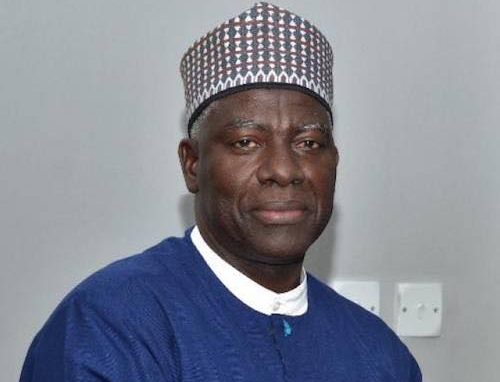
One of the most consequential disclosures came from former Director-General of the Department of State Services (DSS), Yusuf Bichi, who addressed why Buhari resisted pressure to anoint a preferred candidate during the APC presidential primary.
Speaking in the book, Bichi explained that Buhari deliberately avoided endorsing any aspirant as a protective measure, aimed at preserving lives and preventing internal fractures within the ruling party.
PulseNets learnt that intelligence briefings available at the time warned that an open endorsement could place a chosen candidate in serious danger, given the intensity and volatility of the political environment leading into the primaries.
Bichi noted that Buhari’s public silence was widely misread as indifference or indecision, whereas it was, in reality, a calculated security strategy designed to avert internal conflict and the possible breakdown of party unity.
According to him, the former president believed that naming a successor would inflame rivalries, escalate hostility, and potentially expose the endorsed individual to physical harm.
“Those months were extremely tense; politically and, from a security standpoint, the threats were not merely rhetorical,” Bichi was quoted as saying in the book.
He added that Buhari consciously chose to endure public criticism rather than take actions that could destabilise the APC or put human lives at risk.
Also Read: Nigerian Army Raids Abuja Home of Buhari’s Former Petroleum Minister, Timipre Sylva — Arrests His Brother Over Alleged Coup Plot Under DIA Probe
The former DSS chief further disclosed that Buhari felt allowing the primary process to proceed without interference helped spread political risk among all aspirants, instead of concentrating hostility on a single individual.
PulseNets reported that the book presentation attracted a distinguished audience at the Presidential Villa, including President Bola Ahmed Tinubu, Gambian President Adama Barrow, state governors, cabinet ministers, foreign diplomats, traditional rulers, and members of Buhari’s family.