World Cancer Day: WHO estimates one million Africans would die every year by 2030
According to the World Health Organization (WHO), if “urgent and bold interventions” are not made, the number of cancer deaths is expected to rise significantly to about one million per year by 2030.
In a statement to mark World Cancer Day in 2023, Matshidiso Moeti, the regional director of the WHO for Africa, made this revelation. He said that each year, Africa sees roughly 1.1 million new cases of cancer and about 700,000 deaths from it.
Cancer is a serious public health problem, according to Ms. Moeti, who also mentioned that the most prevalent malignancies in adults are breast (16.5%), cervical (13.1%), prostate (9.4%), colorectal (6%) and liver (4.6%), which accounted for over half of all new cancer cases.
She continued, despite substantial data problems, that the incidence of paediatric cancer in sub-Saharan Africa is projected to be 56.3 per million people, and that current forecasts indicate that by 2050, Africa would bear over half of the burden of childhood cancer worldwide.
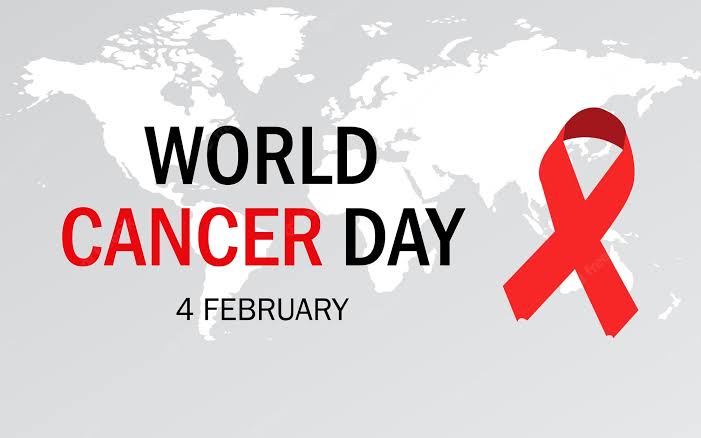
Every year on February 4, the world observes World Cancer Day to increase awareness of cancer and promote its prevention, detection, and treatment.
The 2023 theme is “Close the care Gap: Uniting Our Voices and Taking Action.”
African accomplishments and responses
The WHO director emphasised significant national-level accomplishments made by Africa with WHO assistance.
12 nations in the region, according to her, have legal national cancer control plans, and 11 more are receiving support from WHO to create or update their own plans that are “aligned to the global cancer initiatives coupled with the presence of governance structures at the government level to implement Cancer Plans”.
“Countries such as Ghana, Senegal and Zambia have developed National Treatment Guidelines for childhood cancer while 12 countries have developed and are using cancer guidelines. Political will remains significant in improving the cancer landscape.
“Including childhood cancer medicines in the National Health Insurance Scheme in Ghana and Zambia is a good example. Such a strategic action will significantly contribute to the increase in survival rates for children with cancer in these countries,” she said.
The recommendations for Mental Health and Psychosocial Support for Children in Burkina Faso are being developed and piloted by WHO Africa in partnership with Childhood Cancer International, Ms. Moeti stated.
“It is gratifying to note the steady increase of HPV vaccination national introduction by 51 per cent of countries in the region, although coverage remains concerning at 21 per cent. Currently, 16 countries have introduced high-performance-based screening tests in line with WHO recommendations and plan to scale up cervical cancer screening,” she added.
Challenges
The establishment of gynecologic oncology fellowships in Malawi and Zambia has been praised by Ms. Moeti as improving access to treatments for cervical cancer treatment.
She continued by saying that the WHO established three cooperating centres in Cote d’Ivoire, Kenya, and South Africa in conjunction with the International Agency for Research on Cancer (IARC) to allow capacity building for local personnel and enhance data quality for efficient decision-making.
Despite these successes, Ms. Moeti acknowledged that there are “stumbling blocks that remain on our path,” noting that only 3% of the world’s cancer treatment facilities are in Africa, and that only 22 countries in sub-Saharan Africa have access to radiotherapy, which contributes to the region’s extremely low survival rates.
The lack of Population-Based Cancer Registries, restricted health promotion, poor access to primary prevention and early detection programmes, and the dearth of diagnostic facilities, which lengthens diagnosis and treatment delays, are just a few of the difficulties, according to the expert.
Action
Ms. Moeti emphasised that cancer may be tackled at the individual and community levels by adopting healthy lives, receiving vaccinations, and frequently being examined for malignancies that can be prevented.
“I call on Governments to develop/update national cancer control plans, provide sustainable financing and invest in cancer registration. I encourage Governments to incorporate cancer care into essential benefits packages and national health insurance systems.
“It is also critical to ensure adequate infrastructure for human resources, screening, diagnostics, and treatment. There is equally a need to expand the use of digital health and establish relevant training for the cancer workforce.
“Finally, cancer survivors can lend their voices as advocates for better cancer services. As persons with lived experience, they should be involved in designing cancer services at all levels of health care,” she said.