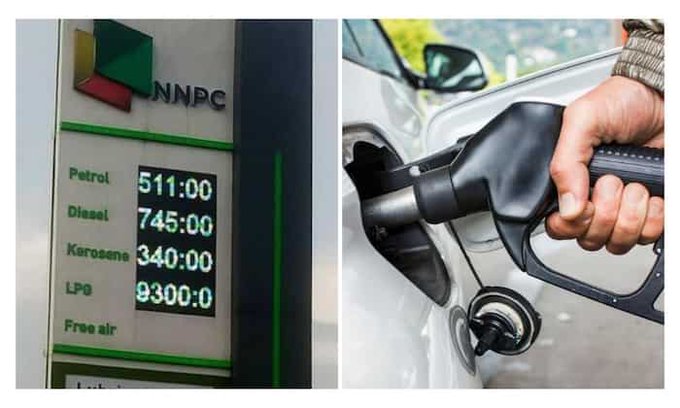
FG to Earn N796bn Annually from New 5% Fossil Fuel Surcharge
The Nigerian government is expected to rake in about N796 billion yearly from a newly introduced 5 percent surcharge on premium motor spirit (PMS), popularly known as petrol, as well as other fossil fuel products, PulseNets learnt.
The levy, which is part of sweeping fiscal reforms, will officially take effect on January 1, 2026, following the signing of four fresh tax bills into law by President Bola Ahmed Tinubu on June 26, 2025.
One of the major legislations, the Nigeria Tax Administration Act, explicitly outlines the 5 percent fossil fuel surcharge. According to the document seen by PulseNets, the charge applies to fossil-based fuels such as diesel, aviation fuel, kerosene, and compressed natural gas, while sparing renewables, household kerosene, and cooking gas.
“A surcharge is imposed at five percent on chargeable fossil fuel products provided or produced in Nigeria and shall be collected at the time a chargeable transaction occurs,” the law states.
How the N796 Billion Fossil Fuel Surcharge Estimate Was Calculated
Figures from the Nigerian Midstream and Downstream Petroleum Regulatory Authority (NMDPRA) show that Nigeria consumed 18.75 billion litres of petrol in 2024. At the prevailing average pump price of N850 per litre, total consumer spending amounted to N15.93 trillion.
By applying the new 5 percent surcharge, government revenue from petrol alone is projected to hit N796 billion annually, PulseNets reported. Industry watchers believe the total figure will rise further once other fossil fuel surcharges are factored in.
Rising Concerns Among Petroleum Marketers
Despite the government’s optimism, the move has already triggered anxiety among petroleum marketers and retailers. The Independent Petroleum Marketers Association of Nigeria (IPMAN) warned that Nigerians should brace for an inevitable spike in fuel costs.
“Any additional levy will reflect on the price of petrol across Nigeria. Marketers cannot absorb the additional burden,” IPMAN spokesman Chinedu Ukadike told PulseNets.
Also Read: UNDP, REA Seal Deal to Fast-Track Nigeria’s Clean Energy Future
Industry analysts have equally pointed out that while the surcharge could boost federal revenue streams, it may also worsen inflationary pressures, deepen the cost-of-living crisis, and further strain household budgets.