UNICEF Warns Global Education Cuts Could Push Six Million More Children Out of School
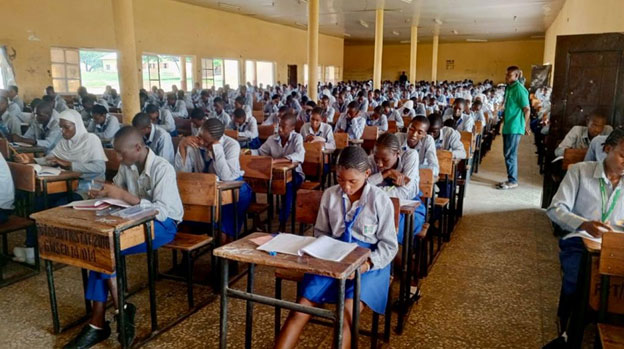
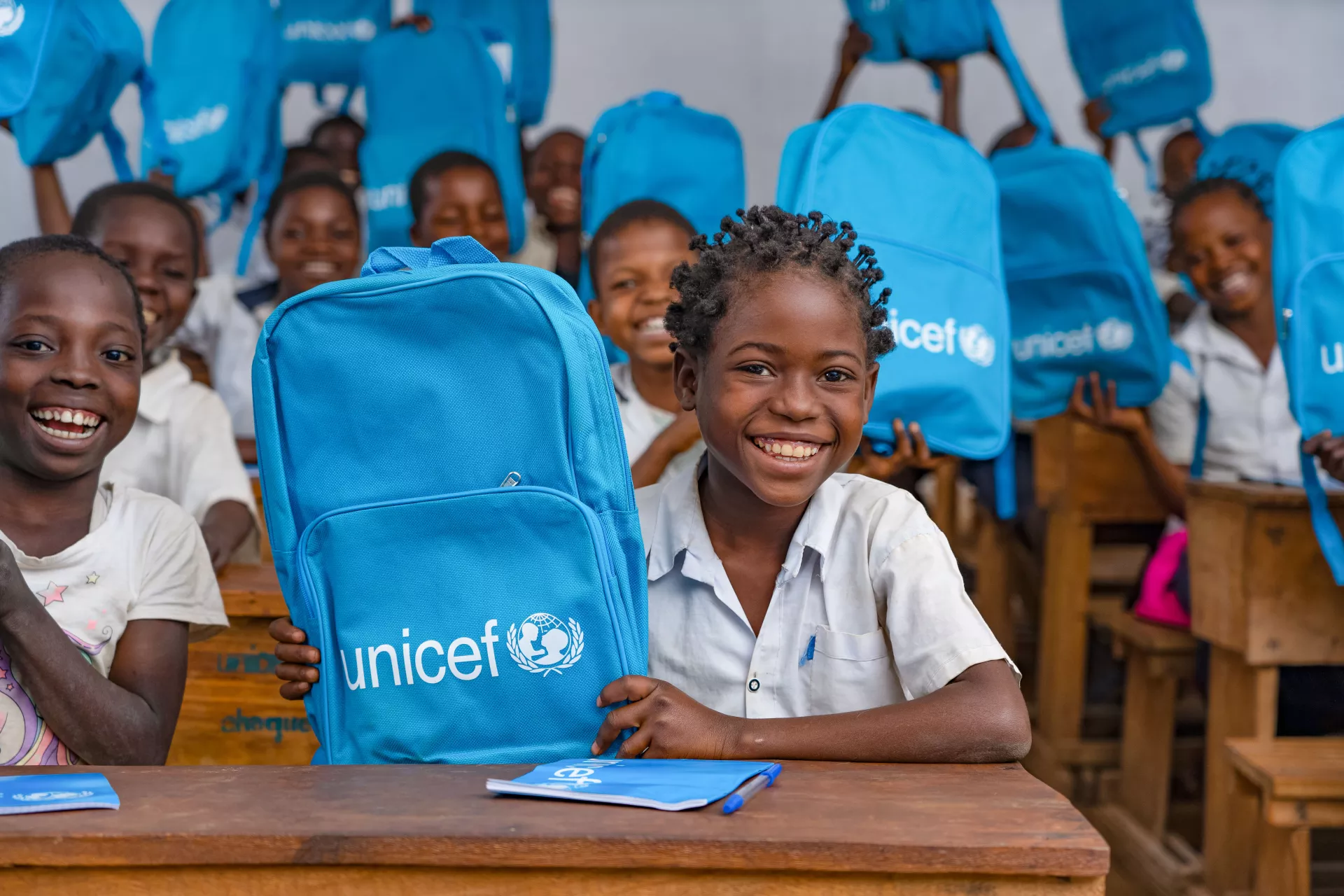
Global education funding is on the brink of a severe crisis, and the United Nations Children’s Fund (UNICEF) has sounded the alarm that sharp reductions could leave an additional six million children out of school by 2026.
PulseNets learnt that UNICEF’s Executive Director, Catherine Russell, revealed that Official Development Assistance (ODA) for education is projected to shrink by $3.2 billion, marking a 24 percent drop from 2023 levels. Shockingly, just three donor governments account for nearly 80 percent of these cuts.
According to figures obtained by PulseNets, the devastating outcome of such a decline would see the number of out-of-school children worldwide climb from 272 million to 278 million.
 In her words, Ms Russell told PulseNets:
“Every dollar withdrawn from education is far more than a budget line—it is a child’s future on the edge. Education is not an expense; it is an investment in stability, prosperity, and human dignity.”
Africa and Middle East Face the Heaviest Blow
Reports obtained by PulseNets indicate that West and Central Africa will be among the hardest hit regions, with 1.9 million children projected to lose access to school. In the Middle East and North Africa, another 1.4 million children could be forced out of classrooms.
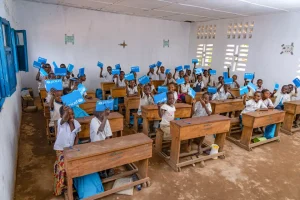 In total, at least 28 countries stand to lose a quarter or more of the education aid they depend on. Côte d’Ivoire and Mali face some of the gravest threats, with enrolments projected to fall by 340,000 and 180,000 students respectively.
A UNICEF report seen by PulseNets highlights that primary education will take the largest hit, with funding forecast to decline by one-third. Analysts warned this could worsen the global learning crisis and strip affected children of an estimated $164 billion in lifetime earnings.
Humanitarian Services and Girls’ Education at Risk
The crisis is not just about classrooms. PulseNets reported that in humanitarian settings, the cuts could devastate vital services. School feeding programmes, often a child’s only daily meal, could see funding halved, while support for girls’ education is likely to shrink dramatically.
At least 290 million children who remain in classrooms may also face deteriorating learning quality, as resources thin out and teaching conditions decline.
Also Read: UNICEF seeks $59 million to tackle mpox in Burundi, DRC, four other African countries
UNICEF has urged global donors to direct at least half of all education aid to the world’s least developed countries, safeguard humanitarian education budgets, and prioritise early childhood and primary schooling. It further called for reforms to ensure financing is more efficient, sustainable, and equitable.
Ms Russell stressed to PulseNets:
“Nations thrive when their children are educated and healthy. Cutting education today is robbing the world of its stability tomorrow.”