EXCLUSIVE: Russia Rolls Out Free Personalized Cancer Vaccine — What It Means for Patients, Pharma, and Global Politics
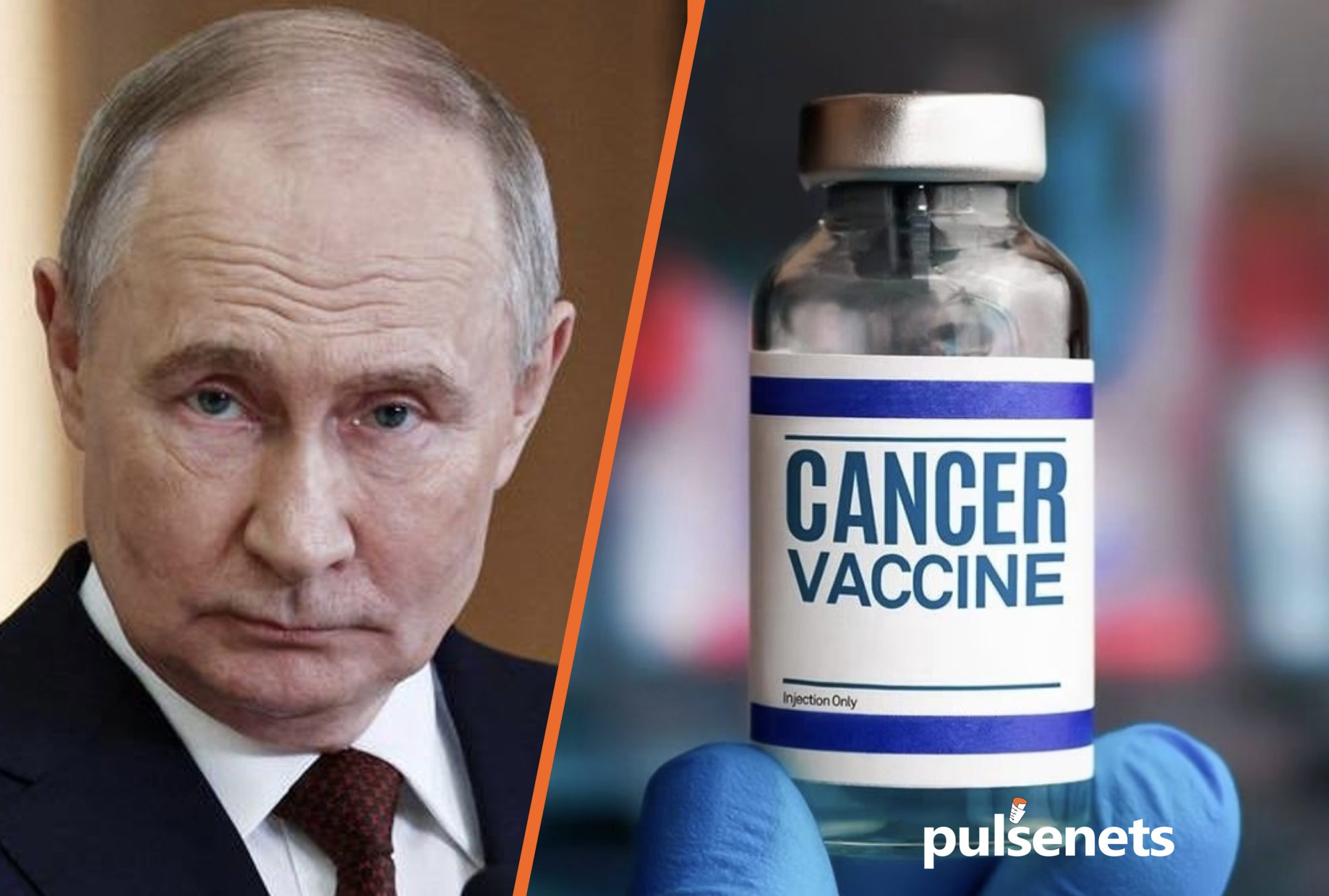
Russia has announced that its new personalized mRNA-based cancer vaccine is ready for clinical rollout and will be provided free of charge to patients nationwide. This development places Russia among the first nations in the world to make such a therapy available as part of its public health system, sparking both hope among cancer patients and concern among pharmaceutical giants and Western governments.
At a time when cancer remains one of the leading causes of death globally, Russia’s decision is being hailed at home as a landmark in medicine and abroad as a potential disruptor of the established pharmaceutical order.
A New Era in Cancer Treatment
The vaccine, known as Enteromix, was developed by the Gamaleya Research Institute in partnership with the Hertsen and N.N. Blokhin National Medical Research Centers of Oncology. These institutions are among the most prominent in Russia’s medical research landscape, with Gamaleya already having gained global attention during the COVID-19 pandemic for producing the Sputnik V vaccine.
Enteromix is built on the same mRNA technology that became widely known during the pandemic. However, unlike COVID-19 vaccines, this therapy is not preventive but therapeutic. It is designed to treat patients already diagnosed with cancer by training their immune systems to recognize and attack tumor-specific proteins.
How It Works
-
Personalization: Doctors begin by sequencing a patient’s tumor DNA and identifying the genetic mutations that drive cancer growth.
-
Rapid Production: Within approximately seven days, a custom mRNA vaccine is produced that encodes for the patient’s unique tumor antigens.
-
Immune Response: Once injected, the vaccine stimulates the immune system to target those antigens, ideally reducing tumor growth and preventing metastasis.
Preclinical studies in laboratory settings have shown promising results, with some reports citing up to 80% tumor reduction in animal models. Early human trials, while limited, indicate tolerability and potential efficacy.
Why Russia Is Making It Free
The cost of producing such individualized treatments is significant. Estimates put the per-patient cost at around 300,000 rubles (USD $2,870) — an amount well beyond the reach of many Russian households. By covering the cost through the state healthcare system, Russia’s government is signaling both a public health commitment and a political statement.
In a country where approximately 600,000 new cancer cases are diagnosed annually, and where late-stage detection is common, free access could save lives that otherwise would have been lost due to financial constraints.
Russia’s Cancer Burden in Context
Cancer remains a heavy burden worldwide, but the rates vary sharply between countries. According to GLOBOCAN 2022 and World Population Review data:
-
Russia has a cancer incidence rate of 248.1 per 100,000 population, placing it among the top 20 globally.
-
Australia has the world’s highest incidence rate at 462.5, followed by New Zealand (427.3) and several European nations.
-
By comparison, developing countries report significantly lower rates, such as Nigeria (113.6) and India (98.5) — though underdiagnosis may account for part of this gap.
The statistics highlight that while Russia is not at the very top of global cancer incidence, it faces a significant domestic challenge. This gives added urgency to the government’s move.
Implications for the Pharmaceutical Industry
The global pharmaceutical industry has invested heavily in mRNA cancer vaccine development over the past decade. Major players include BioNTech (Germany), Moderna (US), Merck (US), and Roche (Switzerland).
These companies are running extensive clinical trials of personalized cancer vaccines — most notably BioNTech’s Autogene Cevumeran for pancreatic cancer and Moderna/Merck’s joint mRNA-4157 vaccine for melanoma. However, none of these products has yet completed late-stage trials or received full regulatory approval.
Russia’s Disruptive Entry
Russia’s decision to not only announce but also roll out a cancer vaccine represents a strategic disruption:
-
Price Pressure: By making Enteromix free, Russia undercuts the premium pricing models expected of Western pharmaceutical firms, which often place cutting-edge therapies out of reach for patients without insurance or state subsidies.
-
Market Competition: If Enteromix demonstrates credible results, it could encourage emerging markets to look to Russia for medical partnerships rather than Western firms. This could shift revenue streams away from companies that dominate oncology markets today.
-
Innovation Race: Western firms may be forced to accelerate development and approval of their own mRNA therapies to avoid losing ground in both scientific prestige and market share.
-
Patent Concerns: Russia has previously been accused of sidestepping international patent protections. If Enteromix incorporates similar technology to Western vaccines, it could trigger disputes over intellectual property.
Geopolitical Dimensions
The vaccine rollout is not only about medicine — it is also about politics and power.
1. Soft Power and Diplomacy
Russia has a long history of using scientific achievements to enhance its international image. During the Cold War, space exploration was a tool of soft power; today, medicine may play a similar role. By offering its vaccine to other countries — especially in Africa, Asia, and Latin America — Russia could build diplomatic goodwill and counterbalance Western influence.
2. East-West Divide in Healthcare
With relations between Russia and the West strained by sanctions and geopolitical tensions, medical advances may increasingly be deployed within separate spheres of influence. The Russian vaccine may find regulatory acceptance among allies such as China, Iran, and some African states, while facing skepticism or outright bans in Western markets. This could entrench a two-track global health system, one dominated by Western pharma and the other by Russia and its partners.
3. Domestic Politics
At home, the vaccine serves a dual purpose: addressing a genuine public health need and reinforcing the government’s narrative of self-reliance. By providing advanced medicine free to citizens, Moscow seeks to project competence and strengthen public trust at a time of economic and political strain.
Potential Challenges
While the announcement has generated optimism, several challenges remain:
-
Scientific Validation: Independent peer-reviewed results are needed to confirm efficacy. Without large-scale clinical data, the claims remain tentative.
-
Manufacturing Capacity: Personalized vaccines require rapid production pipelines. Scaling this across a country as large as Russia will test infrastructure.
-
Global Recognition: Without approval from agencies such as the EMA or FDA, the vaccine’s credibility may remain limited outside Russia and its allies.
-
Political Risks: If the vaccine underperforms, Russia risks losing credibility at home and abroad.
Expert Reactions
Medical experts outside Russia have reacted with both curiosity and caution.
-
Oncology specialists acknowledge the potential of mRNA cancer vaccines but stress that “breakthrough” announcements must be followed by transparent trial results.
-
Pharma analysts predict that Western firms will accelerate their efforts, with some even suggesting partnerships or quiet monitoring of Russian data despite political tensions.
-
Political scientists note that the move fits into Russia’s broader strategy of showcasing technological independence in defiance of Western sanctions.
The Global Cancer Landscape
To place Russia’s move in perspective, here is a summary of cancer incidence rates worldwide (per 100,000 population):
-
🇦🇺 Australia – 462.5
-
🇳🇿 New Zealand – 427.3
-
🇩🇰 Denmark – 374.7
-
🇺🇸 United States – 367.0
-
🇳🇴 Norway – 357.9
-
🇨🇦 Canada – 345.9
-
🇮🇪 Ireland – 344.7
-
🇳🇱 Netherlands – 341.4
-
🇫🇷 France – 339.0
-
🇭🇺 Hungary – 336.7
-
🇬🇧 United Kingdom – 307.8
-
🇮🇹 Italy – 284.5
-
🇪🇸 Spain – 274.6
-
🇩🇪 Germany – 274.2
-
🇯🇵 Japan – 267.1
-
🇵🇱 Poland – 262.8
-
🇷🇺 Russia – 248.1
-
🇹🇷 Turkey – 225.9
-
🇦🇷 Argentina – 215.8
-
🇧🇷 Brazil – 214.4
… -
🇳🇬 Nigeria – 113.6
-
🇮🇳 India – 98.5
-
🇬🇲 Gambia – 79.2
(Source: GLOBOCAN 2022, IARC)
Also Read: WHO Demands Ceasefire as UN Chiefs Call for Probe into Deadly Israeli Strikes on Gaza’s Nasser Hospital
Russia’s decision to roll out a free, personalized mRNA cancer vaccine is a bold medical and political experiment. If Enteromix proves effective, it could save thousands of lives, challenge Western pharmaceutical dominance, and give Moscow new leverage in international affairs. If it fails, it risks being remembered as a premature announcement driven more by politics than science.
Either way, the development underscores a central reality of the 21st century: healthcare is no longer just about curing disease — it is also about economics, diplomacy, and power.