Why Nigerian Military Can’t End Boko Haram — Bishop Kukah
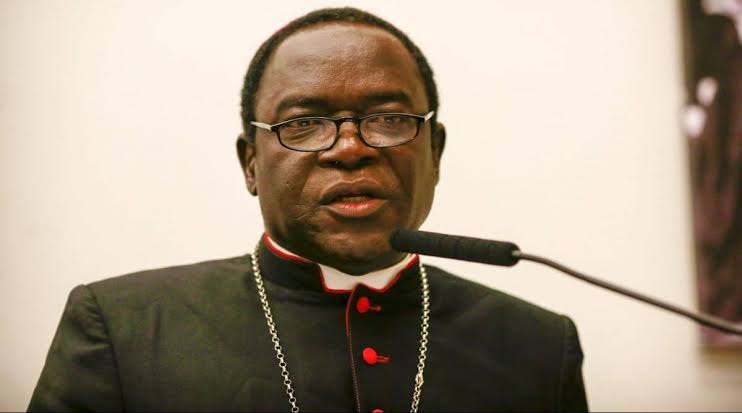
Catholic Bishop of Sokoto Diocese, Most Rev. Matthew Kukah, has urged Nigerians to unite in tackling the violent extremism still plaguing the country’s Northeast region.
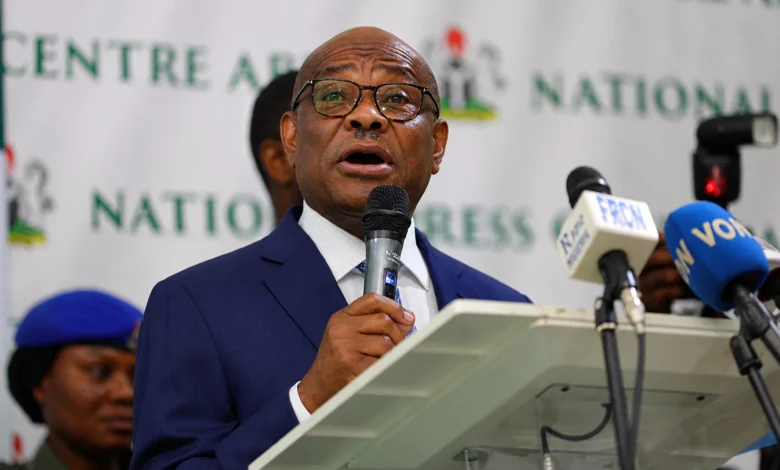
Bishop Kukah, who spoke while reviewing a new book authored by General Lucky Irabor (Rtd), the former Chief of Defence Staff, emphasised that military operations alone cannot end Boko Haram or the wider wave of terrorism troubling Nigeria.
The book, titled “Scars: Nigeria’s Journey and the Boko Haram Conundrum,” documents the Nigerian government’s achievements and challenges in countering violent extremism. It also reflects on the socioeconomic and psychological scars left by Boko Haram’s campaign of terror, while proposing paths to reconciliation, justice, and national healing as essential pillars for long-term peace.
Speaking at the event on Thursday, Kukah was quoted as saying that Boko Haram is more of an ideology than a battlefield opponent, stressing that military reliance alone has kept Nigeria trapped in a cycle of recurring operations without sustainable peace.
“For years, we have seen Operation Lafiya Dole, Operation Restore Order, Operation Hadin Kai, Operation Safe Haven, and several others,” he noted.
“Each time one operation fails, a new one is launched. But ideas cannot be defeated with bullets — you can’t silence an ideology with gunfire.”
According to Kukah, the overemphasis on military force has made it difficult for Nigeria to tap into non-kinetic intelligence, local dialogue, and community-driven peacebuilding efforts that could prove more effective.
“The challenge before us,” he explained, “is not only about defeating insurgents on the battlefield but also about addressing the human issues of justice, inequality, and despair. Guns cannot build peace; only soft power can complement military might.”
PulseNets obtained that while reviewing chapters 11, 12, and 13 of General Irabor’s book, Bishop Kukah commended the retired general for his depth of reflection and balanced perspective on Nigeria’s security journey.
“General Irabor’s work,” Kukah remarked, “stands out because it goes beyond military analysis — it addresses the emotional, political, and governance dimensions that feed extremism. That, in itself, is commendable.”
Also Read: Fresh Tragedy Hits Nigerian Army As Soldiers Die In Boko Haram Ambush
PulseNets learnt that the event attracted military veterans, clerics, policy experts, and civil society leaders, all of whom echoed Bishop Kukah’s call for a multidimensional approach to ending insurgency and fostering national stability.