Tanzania Election 2025: Abductions, Crackdowns, and Fears Mount as First Female President Suluhu Seeks Re-Election
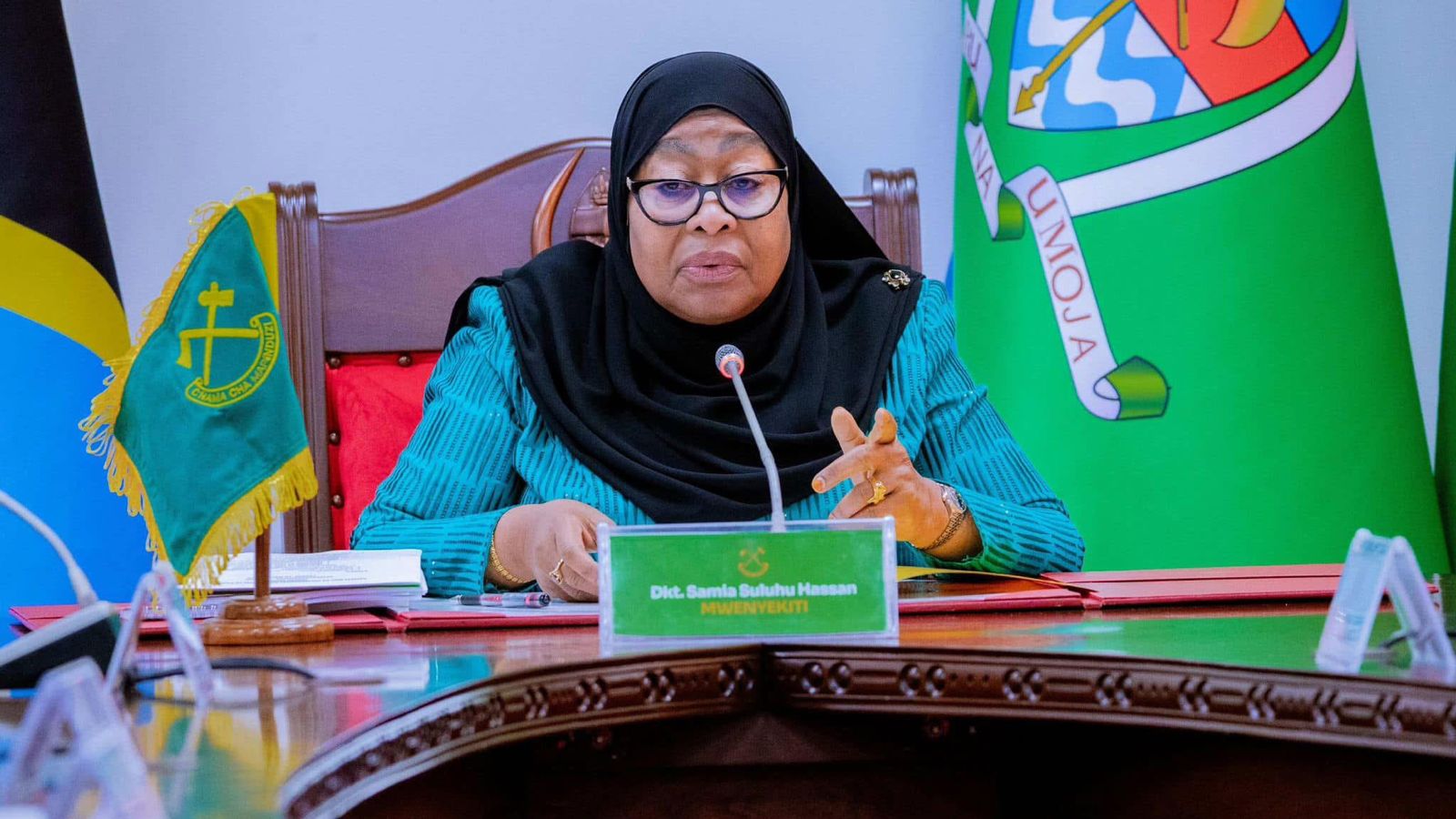
Tanzania’s President Samia Suluhu Hassan, the nation’s first female leader, is seeking re-election on October 29, but growing political tension has cast a shadow over the process. Virtually all major opposition figures have either been jailed, barred from contesting, or abducted, raising fears of an election devoid of genuine competition.
Abductions Deepen Public Fear
On October 6, former ambassador to Cuba, Humphrey Polepole, became the latest victim in a disturbing wave of abductions targeting government critics. According to accounts obtained by PulseNets, Polepole was taken from his Dar es Salaam home by unidentified men and has not been seen since. His disappearance has sparked outrage and amplified public unease over the government’s increasingly heavy-handed tactics.
Polepole, once a loyal member of the ruling Chama Cha Mapinduzi (CCM), resigned from his diplomatic post in July, expressing concern about the direction of national leadership. In a letter that went viral online, he lamented the erosion of institutional integrity and later accused the CCM of placing personal ambition above the nation’s interests.
A close associate who spoke to PulseNets described his abduction as “a chilling warning to anyone who dares speak truth to power.” The incident adds to a series of disappearances of political activists, journalists, and critics, as the country prepares for what analysts call “an election without opposition.”
Suluhu’s Shift from Hope to Control
When Samia Suluhu took office in 2021 following the death of former President John Magufuli, she was initially praised for her reformist tone and promises of inclusion. But sources within the CCM told PulseNets that she has since transformed into a centralizing leader, removing seasoned officials and replacing them with loyalists.
Opposition groups have borne the brunt of this transformation. The main opposition party, Chadema, remains under a court-imposed restriction on its activities. Its leader, Tundu Lissu, is currently facing treason charges after campaigning for electoral reforms. Similarly, the presidential candidate of ACT Wazalendo has been disqualified, effectively silencing the two strongest opposition forces in Tanzania’s political arena.
Freedom of expression has also suffered under Suluhu’s rule. PulseNets learnt that platforms such as X (formerly Twitter) and the popular Tanzanian forum JamiiForums face strict limitations, while journalists and online commentators who criticize the government have been subjected to arrests and harassment. Police authorities have confirmed that they now conduct routine “online patrols” to monitor dissenting speech.
Tight Party Control Ahead of Elections
Party insiders told PulseNets that Suluhu’s grip on power extends even within her own party. In January, she secured her presidential nomination through a process that bypassed the usual CCM conventions. Later in July and August, the party leadership allegedly screened out dozens of senior members linked to other factions, consolidating her hold ahead of the polls.
The CCM, which has never lost an election since multi-party democracy was reintroduced in 1992, now appears poised for another uncontested victory — one critics describe as “a ceremonial endorsement rather than a democratic exercise.”
Global Warnings and Public Discontent
International concern is mounting. In June 2024, United Nations human rights experts urged the Tanzanian government to halt the enforced disappearances and bring perpetrators to justice. Despite mounting evidence and testimonies, accountability has been absent.
Civil society representatives who spoke to PulseNets expressed fears that rising food prices, youth unemployment, and political repression could ignite unrest during or after the elections. Some analysts warn that recent mass protests in Kenya, Mozambique, and Madagascar may inspire similar movements in Tanzania if public frustrations remain unaddressed.
Also Read: See the $1.1 billion project, set to reshape Kenya and Tanzania’s energy market
As the October 29 polls approach, Tanzanians find themselves at a crossroads — between the promise of stability and the peril of repression. What began as a presidency of reform and reconciliation now faces accusations of authoritarianism, manipulation, and fear.