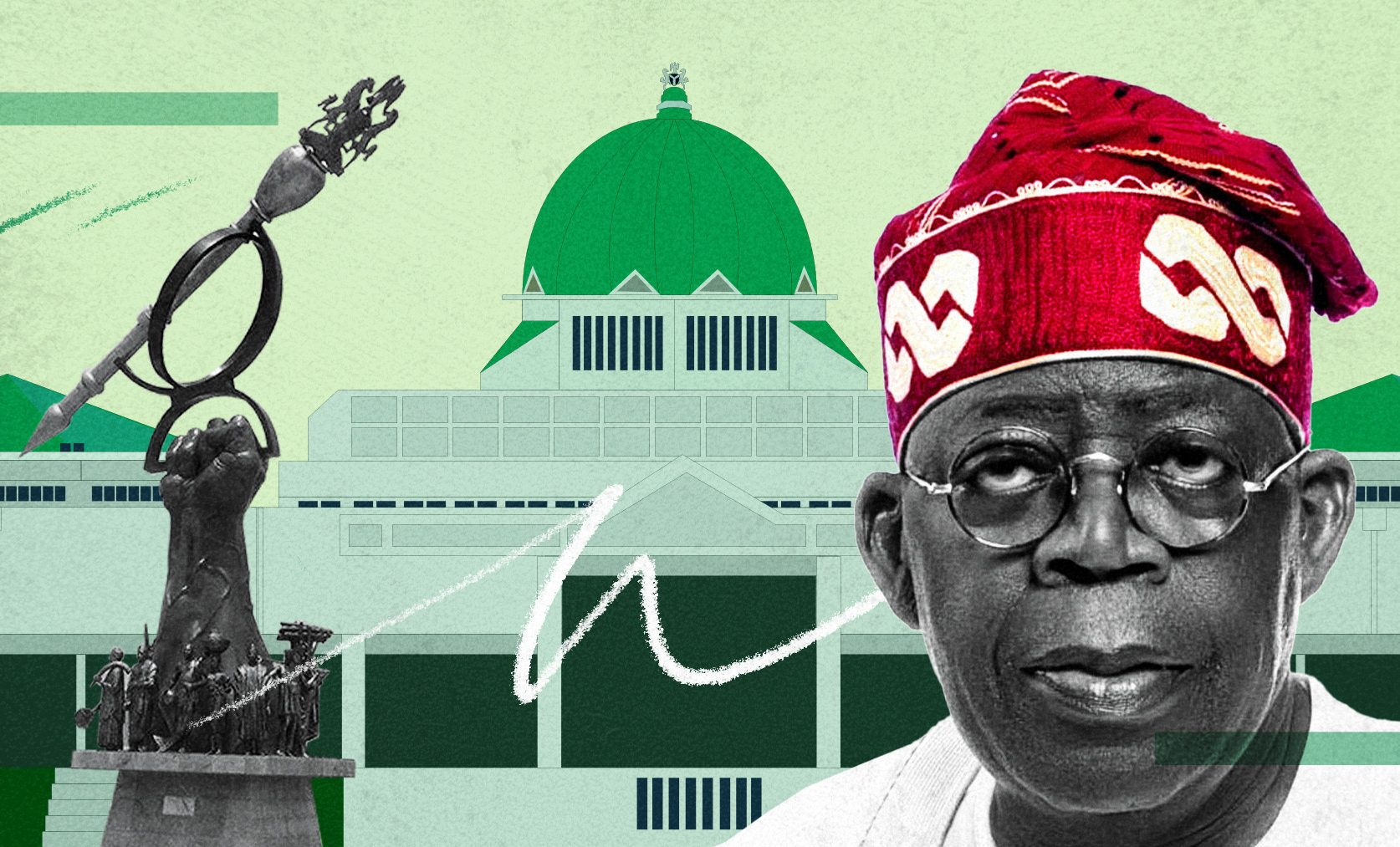
ADC, Civil Society Groups Reject National Assembly’s Plan to Hold General Elections in November 2026
The decision by the National Assembly to propose November 2026 for the next presidential, governorship, and legislative elections has stirred strong reactions among Nigerians, with the African Democratic Congress (ADC) leading a coalition of groups opposing the move.
Federal lawmakers, PulseNets learnt, are pushing to amend the 2022 Electoral Act to ensure that general elections are held six months before the end of an administration’s tenure, breaking away from the traditional February or March schedule.
According to details obtained by PulseNets, the draft amendment mandates that elections into the offices of the President and Governors must take place not later than 185 days before the expiration of incumbents’ tenure—specifically proposing November 20, 2026 as the new election date.
However, this proposal has generated concerns among Nigerians who fear it could distract the current administration and disrupt governance.
Many citizens, PulseNets reported, believe that holding elections that early would prompt political leaders to abandon governance for campaign activities, diverting state funds and federal allocations meant for development into election spending.
“Once elections are fixed for November next year, the focus will shift completely from governance to politics. States will begin to channel resources to campaigns instead of infrastructure,” one civic advocate told PulseNets.
Proponents Cite Judicial Efficiency
Lawmakers supporting the proposal argue that it will allow sufficient time for all electoral disputes to be concluded before new leaders are sworn in.
“It’s not ideal for a president or governor to be using public funds to defend their mandate in court,” one source familiar with the draft amendment told PulseNets. “Early elections would ensure that no one governs while their legitimacy is still being challenged.”
They maintained that Nigeria’s democracy suffers when election litigations drag on for years, allowing candidates later removed by court rulings to govern wrongfully.
Advocates Say It Will Curb Electoral Manipulation
A Lagos-based legal practitioner, Kayode Akiolu, one of the proposal’s strong supporters, told PulseNets that simultaneous elections for president and governors could significantly reduce electoral malpractice.
“This system forces everyone to fight for their political survival,” he said. “When the president and governors contest on the same day, neither can influence the other’s victory.”
He cited the 2023 general elections as an example, claiming that if presidential and governorship polls had been held the same day, the outcome in Lagos State might have been different.
“If both elections happened simultaneously, Governor Sanwo-Olu might not have had the federal backing that helped him. The Labour Party actually won Lagos in the presidential poll,” Akiolu argued.
He added that conducting elections for president and governors on the same day prevents cross-interference, ensuring that each candidate’s popularity is tested independently.
Legislative Backing and Legal Framework
Section 4(7) of the proposed amendment, obtained by PulseNets, stipulates that presidential and governorship elections shall be conducted “not later than 185 days before the expiration of the term of office of the last holder of the office.”
This, by calculation, places the 2027 general elections in November 2026.
The proposal surfaced during a one-day public hearing by the Joint Committee on Electoral Matters of both chambers of the National Assembly. Lawmakers also suggested similar timelines for National and State Assembly elections.
Chairman of the House Committee on Electoral Matters, Adebayo Balogun, said the intention is to clear the backlog of post-election cases before inaugurations.
“We’re proposing this shift so that all election disputes are resolved before swearing in,” Balogun told PulseNets. “The idea is to reduce tribunal timelines from 180 to 90 days and appellate timelines to 60 days.”
Under the new framework, the Supreme Court would have sufficient time to deliver final rulings before any elected official assumes office.
To implement the shift, the lawmakers also proposed amendments to sections 76, 116, 132, and 178 of the 1999 Constitution, transferring election timeline authority from the Constitution to the Electoral Act for easier review in future cycles.
Provision for Early Voting
Beyond election scheduling, PulseNets learnt that the draft amendment introduces early voting provisions for specific categories of citizens such as security personnel, INEC officials, accredited journalists, and election observers.
The proposed Section (2) reads: “There shall be a date set aside for early voting not later than 14 days before the election.”
ADC and Civil Society Kick Back
While some have welcomed the idea, others—including the African Democratic Congress (ADC)—have strongly opposed it, warning that it could plunge Nigeria into continuous politicking.
In a statement obtained by PulseNets, ADC’s Interim National Publicity Secretary, Bolaji Abdullahi, described the move as counterproductive.
“By cutting the political calendar by six months, this proposal risks turning Nigeria into a nation of permanent campaigners. Governance will suffer while politics takes center stage,” Abdullahi said.
He further argued that elections in November would trigger premature campaigns as early as 2025, leaving only two productive years in every administration.
“Once politicians begin campaign mode, focus shifts from governance to power retention,” Abdullahi warned. “Policies will stall, and citizens will bear the brunt of uncompleted projects.”
The ADC, PulseNets learnt, urged lawmakers to prioritize judicial and institutional reforms rather than altering election dates.
“We need reforms that guarantee credible elections and swift resolution of disputes, not calendar manipulation that undermines governance stability,” the statement read.
Analysts Urge Institutional Strengthening
Public affairs analyst Prince Johnson Meekor, speaking to PulseNets, agreed with the ADC’s position, emphasizing that the real problem lies in institutional inefficiency rather than electoral timing.
“If the aim is to resolve petitions early, then strengthen INEC and the judiciary,” Meekor said. “Countries like Kenya and Ghana handle electoral disputes within weeks—not by changing election calendars but by improving their systems.”
Also Read: FG Move to Make PVC Optional as National Assembly Reviews Nigeria’s Electoral Act
He cited international examples where expedited judicial mechanisms ensure prompt adjudication.
“Kenya’s Supreme Court rules on presidential petitions in 14 days, Indonesia’s in 14 working days, and Ghana’s within 42 days. Nigeria should follow that path instead of changing dates,” he noted.
According to him, shifting election schedules without addressing the root causes of inefficiency only “recycles the same problems under a new timetable.”