Boko Haram Threat Stopped Jonathan from Full Fuel Subsidy Removal in 2012 — Sanusi Reveals
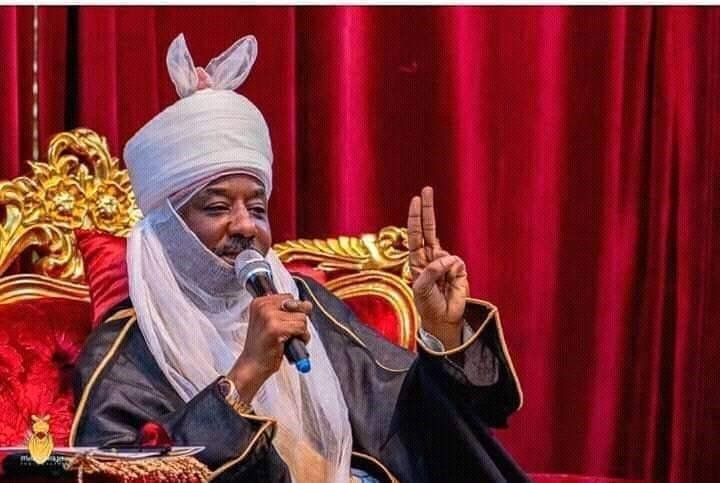
The Emir of Kano, Muhammadu Sanusi II, has revealed that security concerns over Boko Haram suicide attacks were a major factor that stopped former President Goodluck Jonathan from completely removing fuel subsidy in 2012.
Sanusi, who served as the Governor of the Central Bank of Nigeria (CBN) during that period, was among the leading advocates of the controversial policy. He explained that the fuel subsidy framework was one of Nigeria’s most misunderstood and poorly communicated economic policies in recent history.
Delivering a keynote address at the Oxford Global Think Tank Leadership Conference, themed “Better Leader for a Better Nigeria,” Sanusi broke down the economic logic behind the subsidy debate. According to details obtained by PulseNets, he noted that what Nigerians called a “fuel subsidy” was essentially a “naked hedge” — a financial arrangement where the Federal Government guaranteed a fixed fuel price regardless of movements in global oil prices, exchange rates, or interest rates.
He explained that the arrangement eventually pushed the Nigerian government into a debt trap, forcing it not only to borrow funds to sustain the regulated pump price but also to service the interest on those loans.
Sanusi told PulseNets:
“We moved from using revenues to pay subsidies, to borrowing money to pay subsidies — and then borrowing again just to pay interest on the borrowed money. We had become bankrupt. Anyone who takes a naked hedge ends up bankrupt, especially with a commodity whose price you cannot control.”
The Emir further stressed that Nigeria’s current economic hardship could have been avoided if the administration had gone ahead with the full subsidy removal in 2011, despite the expected backlash.
“If Nigerians had allowed the Jonathan government to remove the subsidy in 2011, there would have been pain, but it would have been nothing compared to what we are facing today,” Sanusi told PulseNets.
PulseNets learnt that the Jonathan administration eventually compromised, opting for a partial (50%) removal instead of a full deregulation. The decision, Sanusi disclosed, was influenced by intelligence warnings that Boko Haram insurgents might exploit the nationwide protests to carry out suicide bomb attacks on demonstrators.
“The government compromised and did 50 percent, not 100 percent, because of Boko Haram. The fear was that if a suicide bomber targeted protesters and killed hundreds, the issue would escalate beyond subsidy,” he said.
Also Read: Boko Haram, ISIS Killing More Muslims Than Christians — Says President Trump In-law
Despite the challenges, Sanusi acknowledged Jonathan’s political will and courage to attempt the reforms at a time of intense national insecurity.
“I have to give President Jonathan credit — he was determined to do it,” the Emir concluded.