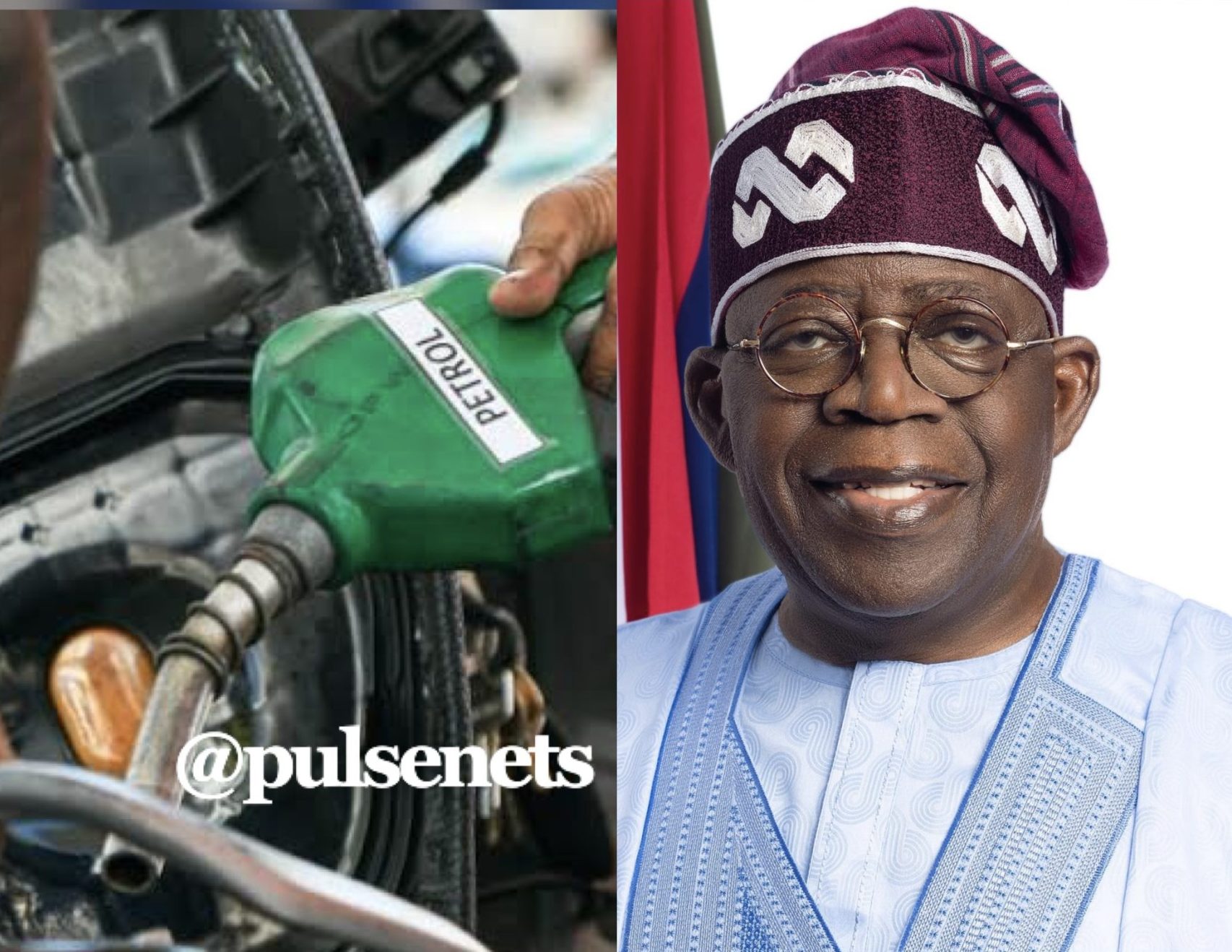
Tinubu Approves 15% Tariff on Fuel Imports — Petrol, Diesel Prices May Rise by ₦150 per Litre
President Bola Tinubu has approved a 15% tariff on fuel imports, a policy expected to raise petrol and diesel prices by up to ₦150 per litre.
Nigerians may soon pay up to ₦150 more per litre of petrol and even higher for diesel following the federal government’s approval of a 15 per cent import tariff on petroleum products. Implementation of the new policy, PulseNets learnt, is to begin immediately, despite earlier proposals suggesting a 30-day transition period.
According to documents obtained by PulseNets, the approval — signed off by President Bola Ahmed Tinubu — was designed to strengthen national energy security, protect local refining capacity, and create a stable pricing framework across the downstream oil market.
The memo, copied to the Attorney General of the Federation, Lateef Fagbemi (SAN); Executive Chairman of the Federal Inland Revenue Service (FIRS), Zacch Adedeji; and Chief Executive of the Nigerian Midstream and Downstream Petroleum Regulatory Authority (NMDPRA), Farouk Ahmed, confirmed the presidential directive.
A senior government source told PulseNets that the measure seeks to “strike a balance between consumer protection and domestic cost recovery.”
“Our objective isn’t to raise revenue but to correct market distortions and support local refineries already producing within the country,” the official clarified.
PulseNets also learnt that the President approved the measure to “safeguard the emerging refining ecosystem”, ensuring that imported fuel does not undercut products refined in Nigeria.
The approved document explained that the import parity pricing model often falls below local refiners’ recovery costs — especially amid currency fluctuations and rising freight charges — putting pressure on investments in the refining sector.
“If this goes unchecked, it will weaken the progress made toward refining independence,” the document warned, noting that the government must shield both consumers and domestic investors from unfair pricing practices.
Policy Details and Implementation
Under the new directive, a 15 per cent ad-valorem duty will be imposed on Premium Motor Spirit (PMS) and Automotive Gas Oil (diesel), calculated based on the Cost, Insurance, and Freight (CIF) value at the point of discharge.
The measure, according to a technical note seen by PulseNets, would raise the landed cost by approximately ₦99.72 per litre, bringing Lagos pump prices to around ₦964.72 per litre ($0.62) — still lower than regional averages in Senegal ($1.76), Côte d’Ivoire ($1.52), and Ghana ($1.37).
“This is not a tax; it is a corrective tariff to align with local realities while ensuring affordability,” a presidency source told PulseNets.
Payments will be made into a designated Federal Government revenue account, now under the Nigeria Revenue Service (NRS), with mandatory NMDPRA verification before clearance. The government has also directed that the process be digitally verified to prevent manipulation or evasion.
Legal Backing and Compliance
The letter further referenced Sections 71 and 72 of the Petroleum Industry Act (PIA), which empower NMDPRA to impose public service obligations and recover compliance costs through public levies when it serves national economic or security interests.
“In line with Section 3(4) of the PIA, Your Excellency is empowered to direct NMDPRA to issue regulations to enforce the 15 per cent import tariff, which will be gazetted accordingly,” the communication stated.
The directive also mandates the Nigeria Customs Service (NCS) and NMDPRA to implement the policy, while ensuring that local production takes precedence before import licences are issued. A periodic review will assess whether the tariff remains necessary as domestic refining expands.
Industry Reaction and Concerns
PulseNets gathered that the announcement has already triggered anxiety across the downstream petroleum sector. Stakeholders argue that Nigeria still imports over 60 per cent of its refined petroleum products, relying heavily on foreign supply chains, with the Dangote Refinery currently contributing the bulk of local output.
“This policy could push prices up too soon, given that local capacity is still building,” one operator told PulseNets under anonymity.
“It’s a good long-term move, but the short-term shock might hit transport and manufacturing costs,” another source added.
Also Read: Petrol Price Drop Imminent as NNPCL Fuel Imports Hits Ports
Despite these concerns, presidency officials maintain that the reform is a strategic step toward self-sufficiency, consumer protection, and fair market competition — a hallmark of President Tinubu’s Renewed Hope Agenda for the energy sector.
“This is another decisive reform to stabilise Nigeria’s downstream market while encouraging investors to stay committed,” the statement concluded.