Tinubu’s Clemency for Drug Offenders and Maryam Sanda Reflects His “Personal Philosophy of Compassion” — Onanuga
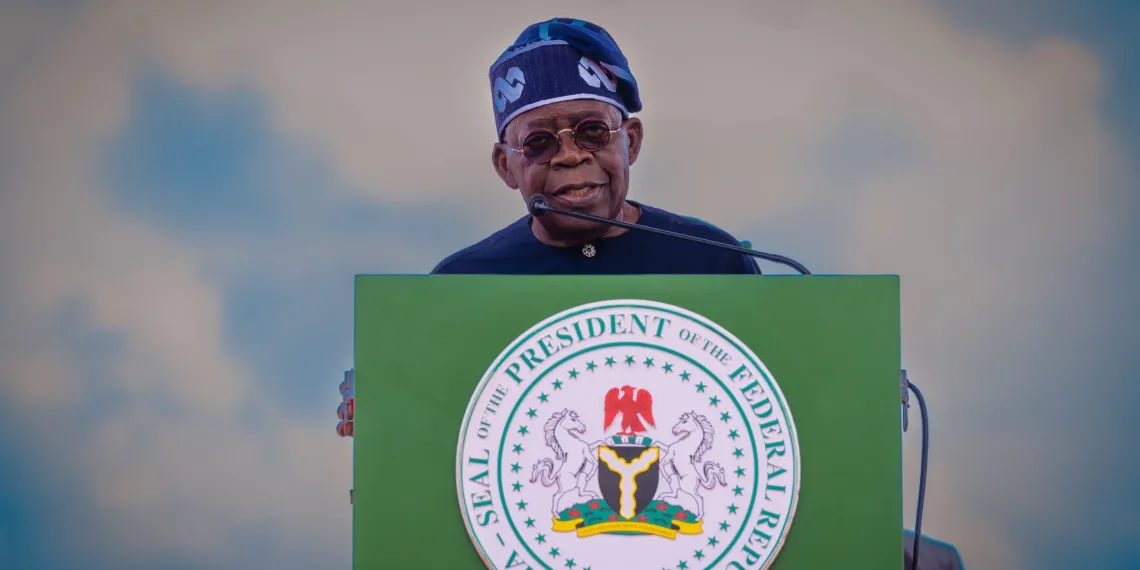
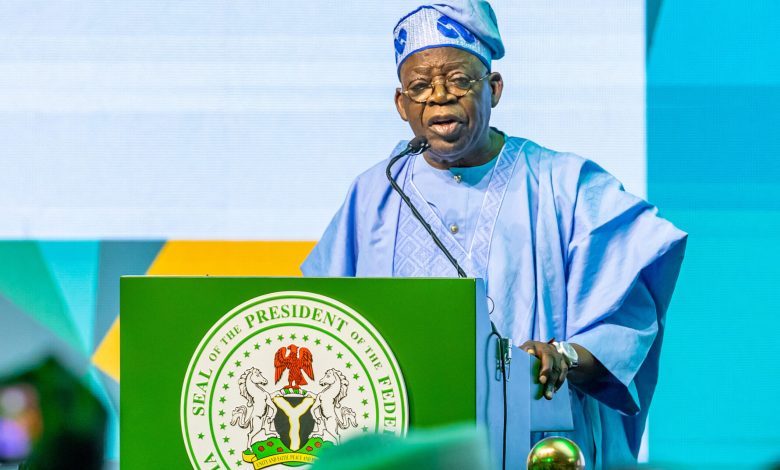
President Bola Ahmed Tinubu’s recent act of clemency toward certain convicts — including individuals convicted of drug trafficking and Maryam Sanda, who was jailed for the murder of her husband — has been described as a reflection of his personal philosophy and compassion, shaped by his life experiences.
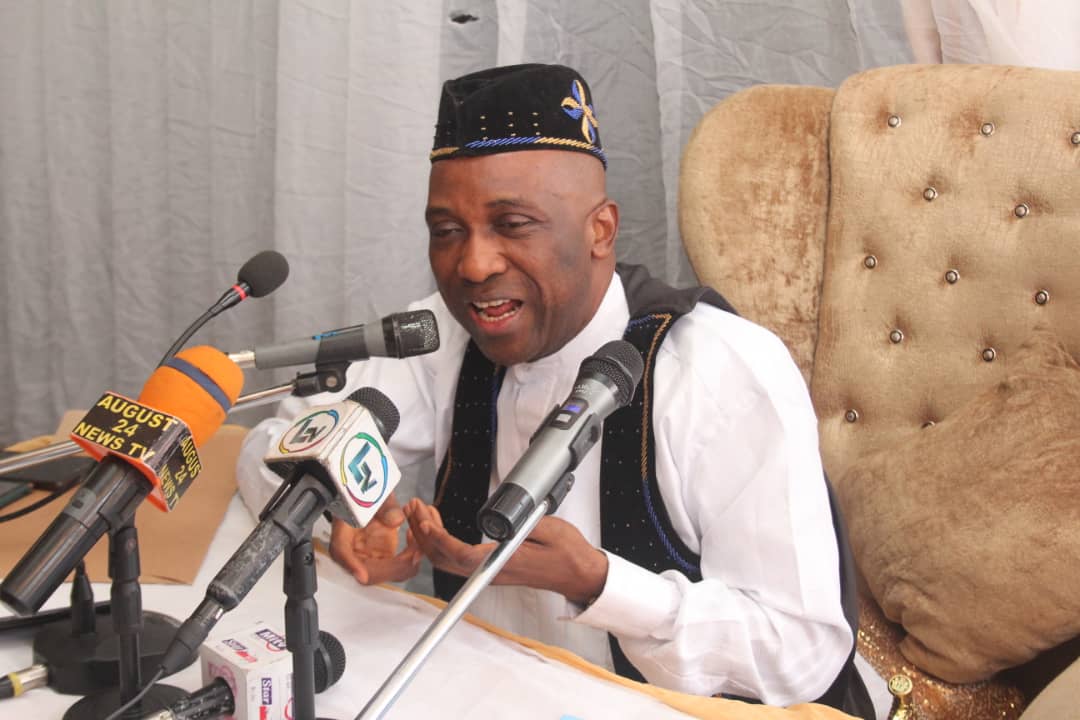
Speaking on ARISE TV Thursday night, Mr. Bayo Onanuga, Special Adviser to the President on Information and Strategy, explained that the president’s decision stemmed from a deep-seated sense of mercy rather than political calculation.
“Even the second list still contained some drug offenders, who were also given clemency, not pardon. Maryam too was given clemency,” Mr. Onanuga told PulseNets. “Their sentences were commuted, not erased. The president, on his own, is a compassionate person. Some of the things he does at times show where he’s coming from—his personal philosophy, attitude, and background. He has compassion.”
PulseNets learnt that the president’s October 11 announcement of clemency for 175 convicts, including drug offenders and Sanda, ignited intense public outrage. Critics argued that such decisions undermine Nigeria’s justice system and the nation’s anti-drug campaign.
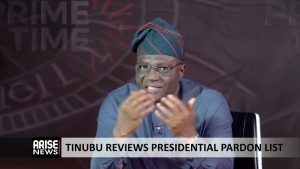
Following the backlash, President Tinubu reportedly reviewed the initial list, leading to clarifications from the presidency that some names were included based on legal advice and recommendations from the Council of State.
At 73, Tinubu’s reputation as a benevolent yet controversial political figure continues to dominate public discourse. His admirers describe him as a man with a forgiving heart, while detractors insist his past remains deeply troubling.
Documents obtained by PulseNets show that in 1993, Tinubu was linked to narcotics-related financial forfeitures in the United States, leading to the confiscation of $460,000 by American authorities. In 2022, the U.S. District Court for the Northern District of Illinois released records detailing his connection to investigations into drug trafficking and money laundering.
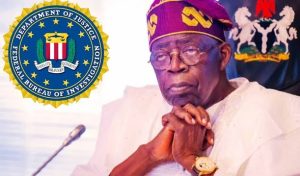
Despite recurring allegations of certificate forgery tied to his Chicago State University credentials, the president has continually pushed back against calls for the release of his Federal Bureau of Investigation (FBI) records, insisting that the matter is politically motivated.
In January, PulseNets learnt that Tinubu reportedly spent about $2.7 million to hire lobbyists in Washington, D.C., aiming to reshape perceptions of his character among U.S. lawmakers and policymakers. This move came after a wave of international criticism surrounding his alleged past dealings and controversies over his academic history.
Also Read: 16 years after, Tinubu govt names another major road after Wole Soyinka
As Nigeria’s political atmosphere remains tense, Tinubu’s gestures of clemency — viewed by supporters as acts of mercy and by critics as moral contradictions — continue to test the boundaries between personal conviction and public accountability.