U.S. Considers Aircraft Carrier Deployment Under ‘Heavy Plan’ for Northern Nigeria Strikes
Tensions have deepened around a set of U.S. classified military response plans drawn up in Washington after President Donald Trump warned that the United States could enter Nigeria “with full force if necessary” to shield Christian communities from rising extremist attacks. Senior defence insiders, who spoke to PulseNets on condition of anonymity, said the blueprint outlines a range of possible U.S. military actions if the White House orders an intervention.
According to documents PulseNets learnt were circulated among top defence planners, the Pentagon directed the United States Africa Command (AFRICOM) to assemble multiple operational models targeting Islamist militant groups across northern Nigeria. These proposals, obtained by PulseNets through informed officials, include scenarios involving both air-power dominance and limited ground collaboration.
Sources familiar with the deliberations said AFRICOM submitted three major strategic pathways to the Joint Chiefs of Staff.
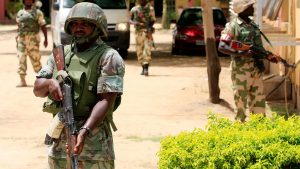
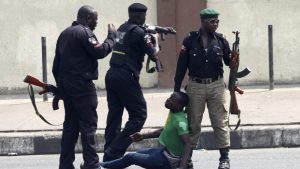
Under the first recommendation — described internally as a “light footprint” option — American forces would work alongside Nigerian security agencies to identify, pursue, and neutralise Boko Haram factions and Islamic State–aligned cells responsible for persistent killings and mass abductions in the region.
A second, more assertive “medium response” would rely heavily on precision drone warfare. The plan envisions using MQ-9 Reaper and MQ-1 Predator systems to conduct targeted hits on suspected militant hideouts, logistics hubs, and convoy routes.
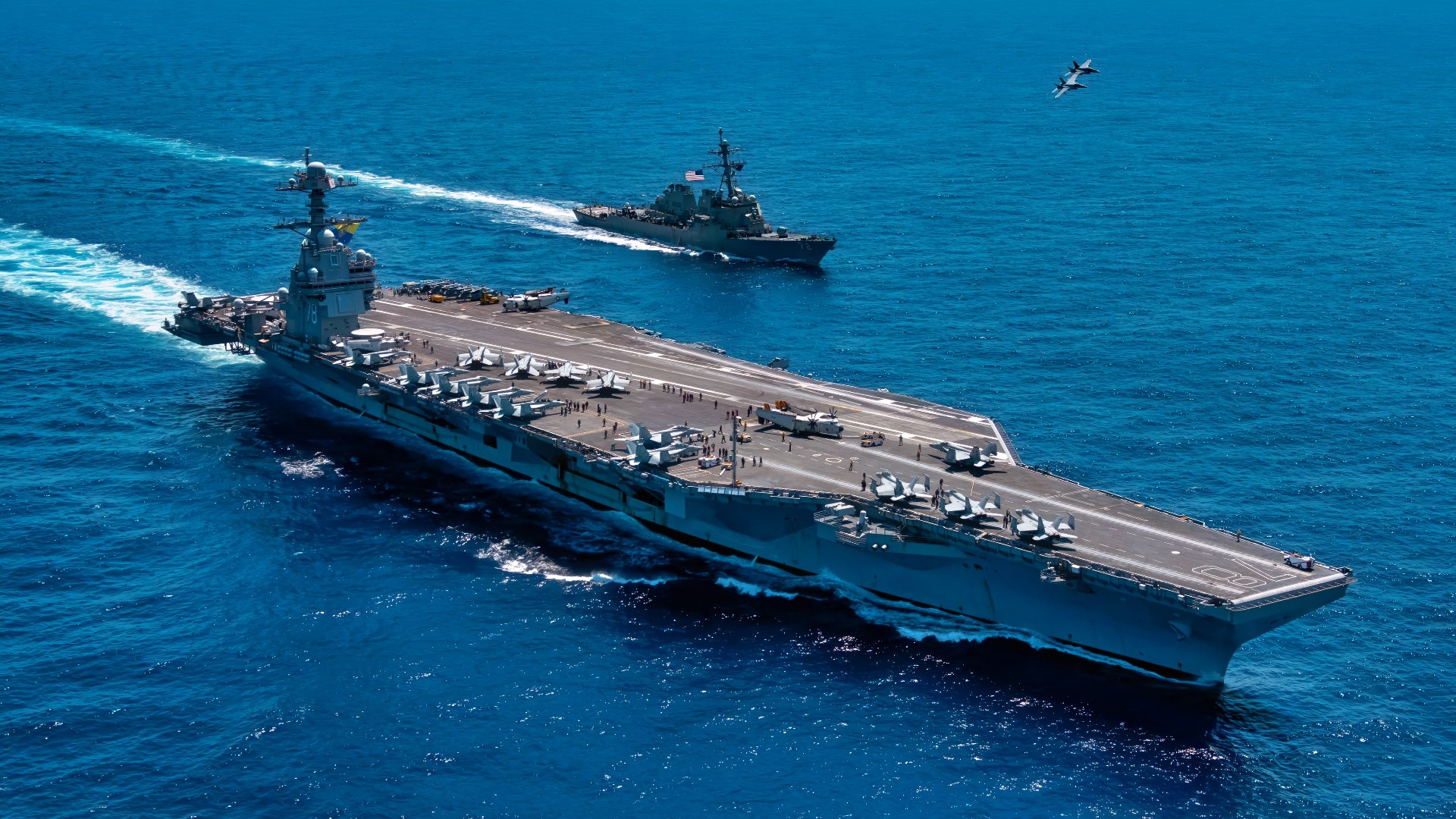
The most extreme proposal, labelled a “heavy intervention,” would involve deploying a full carrier strike group to the Gulf of Guinea, enabling US fighter jets and long-range bombers to launch deep-penetration strikes into insurgent-controlled territories in northern Nigeria.
But military experts have raised sharp concerns about the viability of such operations. Retired US Army Major General Paul Eaton warned that a direct US assault could backfire, telling PulseNets that “launching large-scale airstrikes in northern Nigeria would be like trying to crush smoke with your hands—high effort, low results.” He noted that militant networks often disperse quickly, making conventional bombardment far less effective.
Other officials, who reported extensive logistical red flags, stressed that any full US deployment would face severe political and operational constraints. One defence source told PulseNets that “no single military plan can stabilise Nigeria in isolation; without diplomacy and humanitarian support, the situation could spiral instead of settle.”
Also Read: China Tells U.S. to Stay Out of Nigeria’s Affairs After Trump’s ‘Guns-a-Blazing’ Threat
US authorities have not confirmed whether the administration intends to advance any of the proposals. However, the mere existence of these options has already intensified debate in Washington over America’s evolving posture toward religious persecution in Nigeria and the broader risks of entanglement in another protracted foreign conflict.