Tesla Shareholders Approve Record-Breaking $1 Trillion Pay Package for Elon Musk
Tesla shareholders have overwhelmingly approved a historic $1 trillion compensation package for Chief Executive Officer Elon Musk, setting a new global benchmark for executive pay and further cementing his outsized influence over the company’s push into artificial intelligence, robotics, and next-generation mobility.
The decision emerged from Tesla’s annual general meeting in Austin, Texas, where more than three-quarters of voting shareholders rallied behind the plan. According to documents obtained by PulseNets, the package gives Musk access to stock awards valued at up to $1 trillion over the next decade—provided he meets a series of extraordinarily ambitious milestones, including producing 20 million electric vehicles, deploying one million robotaxis, and driving Tesla’s valuation toward an unprecedented $8.5 trillion.
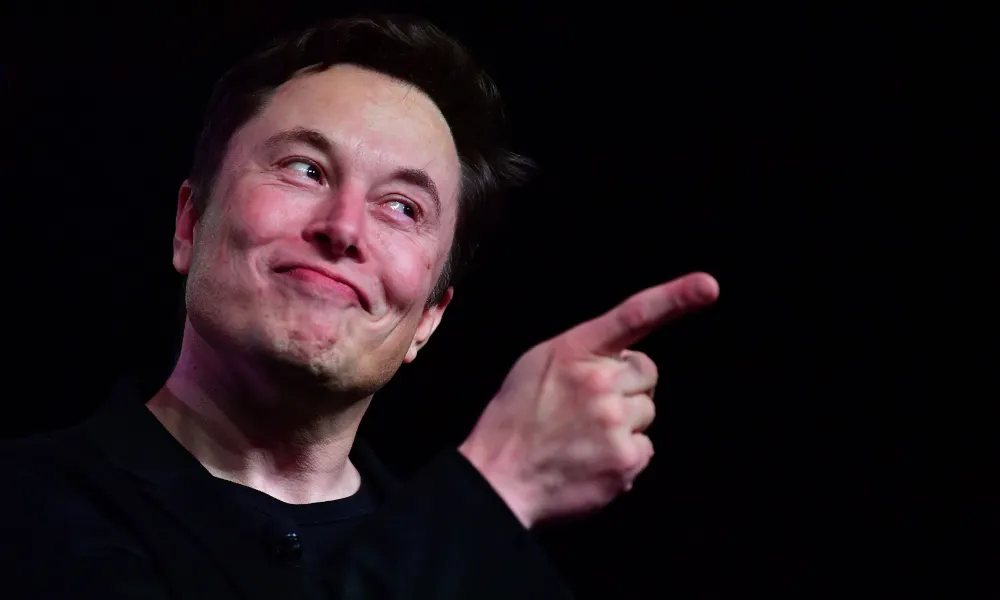
Stepping onto the stage to loud applause and a showcase of dancing robots, Musk described the moment as a turning point for the company. “We’re not opening a new chapter—we’re starting an entirely new era,” he said, while confirming that production of the steering-free, two-seater Cybercab robotaxi is expected to begin in April. He also teased the unveiling of Tesla’s next-generation Roadster, calling it “a machine built to redefine electric speed.”
Shareholders further re-elected three board members and endorsed a proposal transitioning Tesla to annual board elections—an outcome PulseNets learned is designed to strengthen corporate governance and improve accountability. A revised version of Musk’s previous compensation plan, earlier stalled in court, was also given a green light.
Ahead of the vote, the Tesla board had warned that Musk could reconsider his future commitment to the company if the package was rejected, heightening pressure among investors. While critics labelled the compensation “staggeringly disproportionate,” supporters argued that performance-based rewards align Musk’s incentives with Tesla’s long-term evolution from an automaker to a full-scale AI-driven robotics powerhouse.
In a separate vote, investors approved a motion allowing Tesla to channel resources into Musk’s artificial intelligence startup, xAI. Governance analysts told PulseNets that the decision raises potential conflict-of-interest concerns, urging “clear oversight” to prevent blurred lines between Musk’s multiple ventures.
Major institutional holders—including Norway’s sovereign wealth fund and top proxy advisory firms—opposed the deal, citing scale and risk. However, Musk’s roughly 15 percent ownership stake ultimately played a pivotal role, and analysts reported that the final outcome reflects both his enduring leverage and the shareholder belief that his leadership remains irreplaceable.
Under the newly endorsed structure, Musk’s stock awards will vest gradually as he hits operational and market-capitalization targets. Achieving the full set would grant him approximately 12 percent of Tesla’s shares, valued at nearly $878 billion after adjustments. Even partial completion of the goals would still deliver payouts in the tens of billions.
Also Read: A Tesla crashed into a private jet worth up to $3.5 million while in Smart Summon mode
Musk stressed that the package was not driven by personal enrichment. “This isn’t about wealth—it’s about having the influence required to deliver a future powered by autonomous vehicles and human-centric robots,” he said, reiterating his vision of what he called a “living, evolving robot ecosystem.”
With the unprecedented pay package now approved, Tesla faces the immense challenge of executing Musk’s roadmap—a high-stakes test of corporate daring, technological innovation, and investor confidence that could redefine the global mobility and AI landscape.