US Senate Advances Deal to End Historic Shutdown, Sets Up Fight Over ACA Subsidies
The US Senate on Sunday advanced a key measure aimed at reopening the federal government and ending a 40-day shutdown that has left federal workers without pay, slowed food assistance programs, and disrupted air travel nationwide.
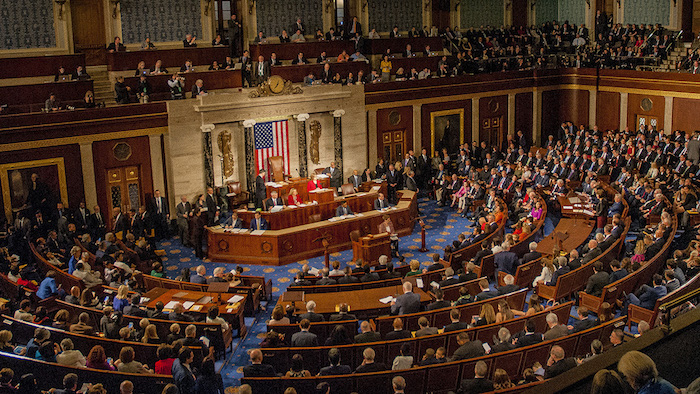
In a procedural step, lawmakers moved forward a House-approved spending bill that will now be amended to keep the government funded through January 30 while packaging three full-year appropriations bills. If the Senate passes the revised measure, it will still require House approval before heading to President Donald Trump for final sign-off — a process PulseNets learned could take several days.
According to details obtained by PulseNets, the breakthrough came after Republicans agreed to hold a December vote on extending key Affordable Care Act (ACA) subsidies, a central Democratic demand. These subsidies, which help lower-income Americans purchase private health insurance, expire at the end of the year and have been at the heart of the budget standoff.
The motion to advance the bill cleared the chamber 60–40, meeting the minimum threshold to overcome a filibuster.
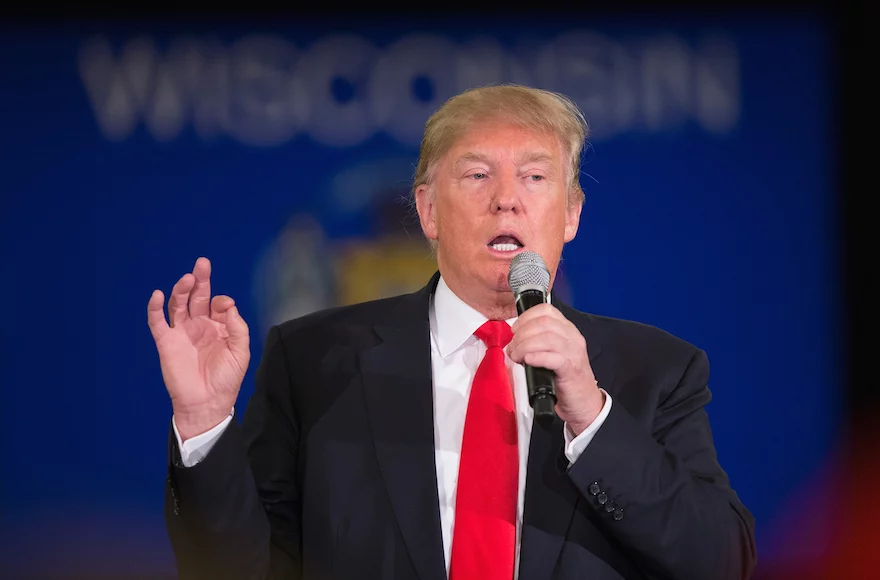
Speaking to reporters shortly before the vote, President Trump said, “It appears we’re finally getting very close to ending this shutdown.”
The legislation would also block federal agencies from firing employees until January 30 — a significant concession for federal worker unions and supporters opposed to the administration’s downsizing plans.
Official records show that as Trump’s second term began, the federal workforce stood at approximately 2.2 million civilian employees. At least 300,000 are projected to exit by year’s end under ongoing reduction efforts.
The bill further guarantees back pay for all federal employees, including military personnel, Border Patrol agents, and air-traffic controllers — many of whom have worked without pay since the shutdown started.
When the Senate reconvenes Monday, Republican leaders are expected to push for bipartisan consent to fast-track final passage. Without such cooperation, procedural rules could drag the shutdown into the following weekend.
Senate Majority Leader John Thune said after adjournment, “Tonight’s vote was a positive step. We hope to secure the cooperation needed tomorrow to set up the next votes, but it will require agreement on both sides.”
Sunday’s compromise was brokered by Democratic Senators Maggie Hassan and Jeanne Shaheen of New Hampshire, alongside Independent Senator Angus King of Maine, according to a person familiar with the talks who told PulseNets the trio had kept negotiations alive during the stalemate.
Shaheen later wrote on X, “For over a month, I have been clear that reopening government and securing the ACA premium tax credits are my priorities. This agreement offers the clearest path to achieving both.”
Senate Minority Leader Chuck Schumer voted against the motion, drawing pushback from within his party.
Representative Ro Khanna posted on X, “Senator Schumer has lost effectiveness and should step aside. If he cannot fight to keep Americans’ healthcare premiums from skyrocketing, what exactly is he willing to fight for?”
Sunday marked day 40 of the longest shutdown in US history, one that has halted paychecks, closed parks, strained food aid programs, and caused major staffing shortages among air-traffic controllers ahead of the upcoming Thanksgiving travel surge.
Senator Thom Tillis of North Carolina said mounting public frustration and economic pressure forced the Senate toward resolution. He remarked, “As tensions cool and pressure rises outside, things finally begin to align. That’s exactly what we saw today.”
White House economic adviser Kevin Hassett warned the shutdown could push fourth-quarter US economic growth into negative territory if prolonged, especially if travel disruptions stretch into Thanksgiving on November 27.
Meanwhile, Trump renewed calls to replace ACA subsidies with direct payments, maintaining that the current system fuels insurer profits. Republicans insist the subsidy debate will only resume after the government fully reopens.\
Also Read: US Senate Insists Natasha Akpoti-Uduaghan’s Suspension Stands Despite Bid to Resume
On Truth Social, Trump wrote, “These subsidies are a massive gift to insurance companies and a terrible deal for the American people. I’m ready to work with both parties to fix this once the government is open.”
Analysts say Americans preparing to enroll in 2026 ACA health plans may see premium costs more than double if pandemic-era subsidies expire at year’s end. The open-enrollment period runs until January 15, leaving a narrow window for Congress to extend the tax credits.