China Introduces Tax on Contraceptives in Fresh Push to Boost Birth Rates
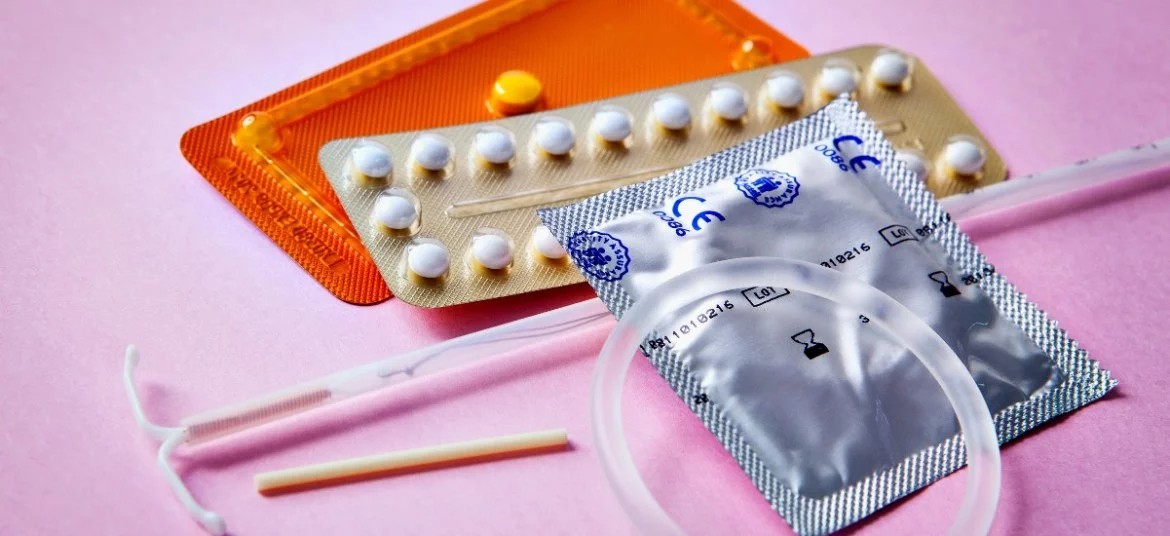
China has announced a policy shift that will see contraceptives taxed for the first time in more than three decades, as authorities intensify efforts to reverse the country’s declining birth rate.
From January 1, 2026, contraceptive items including condoms and birth control medications will be subjected to China’s 13 per cent value-added tax, PulseNets learnt from policy briefings linked to the new fiscal framework.
The decision comes amid sustained demographic decline. Official statistics reviewed by PulseNets show that China recorded about 9.5 million births in 2024, a sharp fall from the 14.7 million births recorded in 2019. Data obtained by PulseNets further indicate that the number of deaths in the country has now overtaken the number of births, deepening concerns about long-term population shrinkage.
For decades, China maintained one of the world’s strictest population control regimes. From around 1980 until 2015, most couples were legally restricted to having a single child. PulseNets reported that enforcement included heavy fines, administrative sanctions, and, in extreme cases, compulsory pregnancy terminations.
Children born outside the policy framework were sometimes denied access to official identity documents, limiting their access to education, healthcare, and other public services, according to records PulseNets reviewed.
As demographic pressures mounted, the government began easing restrictions. Couples were allowed to have two children in 2015, with the policy further expanded in 2021 to permit up to three children per family.
During the years of population control, contraception was actively promoted and frequently distributed free of charge. By introducing taxes on these products, authorities now appear to be recalibrating policy, hoping reduced contraceptive use may encourage more couples to consider childbearing, PulseNets learnt.
The move, however, has drawn widespread criticism online. Social media users, in comments monitored by PulseNets, argued that the cost of raising a child far outweighs the price of contraceptives, even with the new tax. One widely shared reaction stated that “taxing condoms will not suddenly make housing, education, and healthcare affordable for young families.”
Also Read: China Tells US to Stay Out of Nigeria’s Affairs After Trump’s ‘Guns-a-Blazing’ Threat
Others warned that the policy risks missing the core drivers of China’s fertility decline, including job insecurity, high living costs, and limited childcare support. As one commenter told PulseNets, “people are not avoiding children because condoms are cheap; they are avoiding poverty.”