“It’s a National Embarrassment”: Nigerians React as National Grid Suffers Fresh Collapse
Nigerians have taken to public criticism of the Federal Government over what many described as the recurring and humiliating collapse of the country’s national electricity grid.
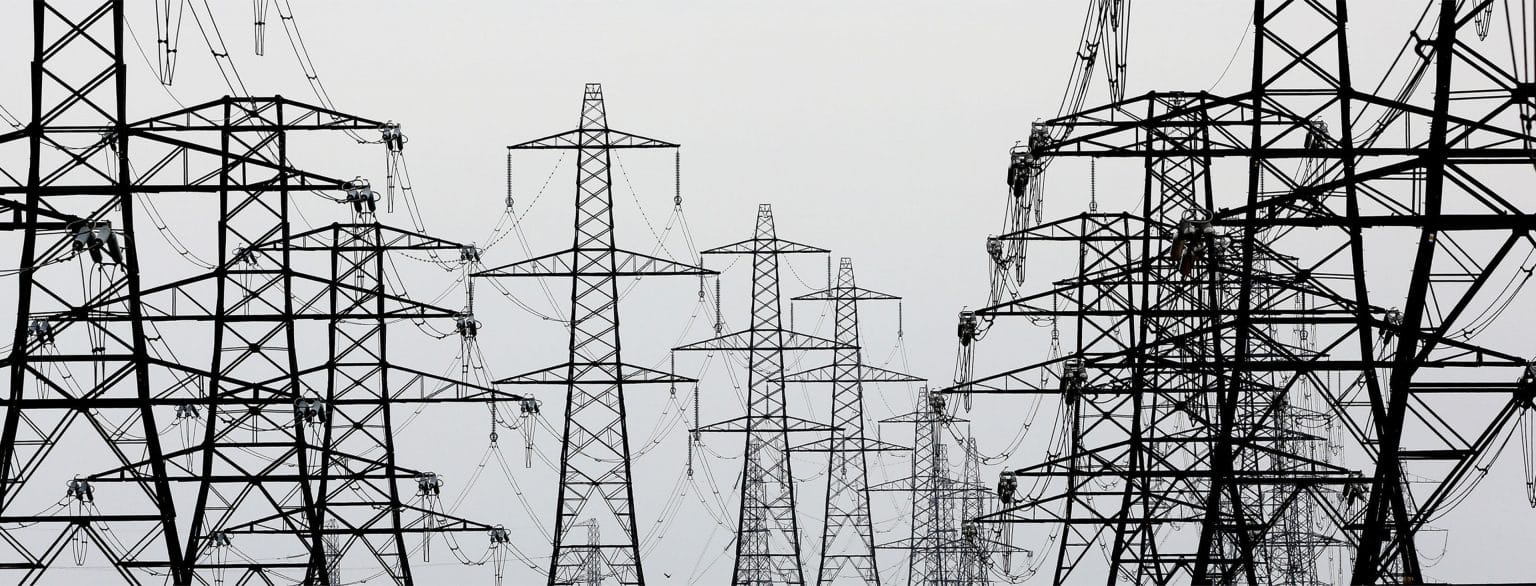
PulseNets learnt that Nigeria’s power grid experienced a total system collapse on Friday, throwing several parts of the country into darkness in what is the first recorded nationwide blackout of 2026.
Data obtained by PulseNets from the Nigerian Independent System Operator (NISO) showed that power generation dropped to zero megawatts, while electricity supply to all 11 distribution companies across the country was completely disrupted at about 1 p.m.
NISO disclosed that the affected electricity distribution companies include Benin, Eko, Enugu, Ikeja, Jos, Kaduna, Kano, Port Harcourt, Ibadan, Abuja and Yola, all of which recorded zero load allocation at the time of the grid failure.
A cross-section of Nigerians who spoke to PulseNets described the repeated collapse of the national grid as a national disgrace.
Speaking to PulseNets, Paul Igbashangev said it was deeply troubling that the country continues to witness such incidents with alarming frequency.
“It’s quite unfortunate that a country at Nigeria’s level is still battling constant national grid collapse. The frequency is worrying, and we sincerely hope the authorities will come up with a permanent solution. This situation is hurting businesses and households across the country,” he said.
Another respondent, Iwuchukwu Ike, lamented that nothing appears to be functioning under the current administration, describing the situation as a cycle of continuous crises.
“The national grid has collapsed again? It’s painful that this keeps happening, almost like it’s timed for every market day.
I remember when Peter Obi visited Egypt to understudy how they stabilized their power sector and APC supporters mocked him. Now, see where we are — total darkness,” he told PulseNets.
Ngozi Ikechukwu also expressed frustration, saying Nigerians are already overwhelmed by economic hardship.
“Look at what those who promised heaven on earth have turned our lives into. How can we still be struggling with national grid collapse when the year has barely started?” she queried.
Also speaking, Mustapha Audu urged the Federal Government to adopt Compressed Natural Gas (CNG) solutions as a way to address the persistent power failures.
“The government should seriously consider CNG-based electricity conversion to end this constant grid collapse. How can a country of over 200 million people suffer nationwide blackout without any natural disaster like a hurricane? It’s a national shame,” he said.
Another respondent, Adamu Yusuf, alleged that politics and personal interests may be driving the repeated failures of the power system.
“There’s nothing accidental about the frequent collapse of the national grid. Some people are playing politics with it to make money.
A national grid is supposed to last years before any major failure, but now it has become routine, and nobody is being held accountable,” he told PulseNets.
On his part, Adah Joseph said the persistent grid collapse is having severe consequences on the national economy, including a decline in Gross Domestic Product (GDP).
“It’s very unfortunate that the damaging effects of constant grid collapse have continued unchecked.
Small and medium businesses, especially food-related enterprises that rely on refrigeration, are suffering badly.
Health facilities are also affected. It’s time the government treated the power sector as a top priority to end this embarrassment,” he stated.
In the same vein, Augustine Oyiwona called on the government to invest heavily in new transmission lines and substations, noting that many existing facilities are over four decades old.
“Outdated manual systems should be replaced with modern, real-time grid monitoring technology.
The Transmission Company of Nigeria should be managed strictly as a technical utility, not as an extension of a ministry desk.
Since the law has already been passed, state governments should be fully empowered to generate, transmit, and distribute electricity,” he said.
Also Read: Labour Party Names Alex Otti National Leader, Recognises Nenadi Usman as Chairman, Bids Peter Obi Farewell
Meanwhile, Paul Igbadi described the situation as a clear failure of governance.
“To me, this looks like total negligence on the part of the government,” he told PulseNets.