US Begins Visa Ban Enforcement on Nigerians Over Religious Freedom Violations
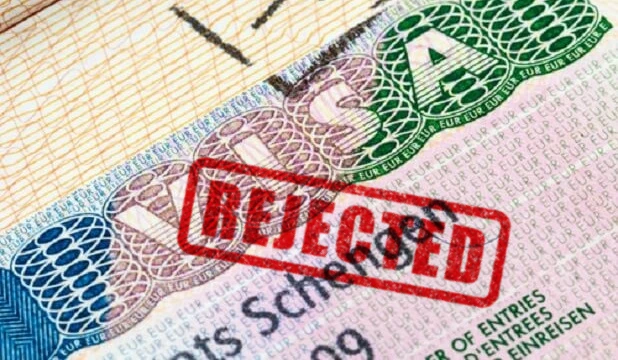
The United States government has begun enforcing visa restrictions on certain Nigerians accused of violating religious freedom, marking a significant escalation in Washington’s response to alleged abuses.
The move reflects a firmer posture by U.S. authorities amid growing international concern over reported cases of persecution, particularly incidents tied to violence against religious communities.
This development was confirmed by Mark Walker, who indicated that the policy has moved beyond formal declaration and is now being actively implemented.
In a statement issued on Friday, Walker stressed that individuals implicated in religious persecution would face strict consequences under the new directive.
“We have already executed on this policy, and we will continue to subject perpetrators to additional scrutiny,” Walker stated. “If you engage in persecution, you are not welcome in America. The United States is safer when we keep those responsible for religious persecution from entering our homeland.”
The visa restriction policy was initially announced in December 2025 by U.S. Secretary of State Marco Rubio. The directive grants the United States Department of State authority to deny entry to individuals directly or indirectly connected to violations of religious freedom, including those who authorise, sponsor, fund, or execute such actions. In certain cases, the restrictions may extend to immediate family members.
Rubio had described the measure as a decisive response to what he termed persistent “atrocities and violence against Christians” in Nigeria, citing attacks allegedly carried out by extremist factions and armed militias operating in parts of the country, particularly across the northern region and the Middle Belt.
The policy is anchored on Section 212(a)(3)(C) of the Immigration and Nationality Act. It follows sustained pressure from American lawmakers advocating tougher measures against individuals accused of enabling or participating in religious persecution in Nigeria.
In November 2025, U.S. Congressman Chris Smith, who chairs the House Foreign Affairs Subcommittee on Africa, introduced a resolution calling for visa bans and financial sanctions targeting individuals and groups linked to religious violence.
The resolution referenced organisations such as Miyetti Allah Cattle Breeders Association of Nigeria and Miyetti Allah Kautal Hore.
Additional pressure emerged in February 2026 when some U.S. lawmakers proposed targeted sanctions against prominent Nigerian figures, including former Kano State Governor Rabiu Kwankwaso, over alleged involvement in violations of religious freedom. However, no official sanctions list has been publicly released.
Nigeria has for years faced criticism from international organisations over increasing incidents of religious and communal violence. Multiple reports have documented repeated attacks on Christian communities, particularly in rural parts of the Middle Belt, drawing global scrutiny and calls for stronger government intervention.
Also Read: US Embassy in Abuja Cancels March 4 Visa Appointments Over Security Fears Amid Iran-Linked Protests
Despite these allegations, Nigerian authorities have consistently rejected claims of complicity in religious persecution. Officials maintain that many reported incidents are either exaggerated or mischaracterised, often framing them as broader security challenges rather than targeted religious attacks.
As of now, the U.S. State Department has not disclosed the identities of individuals or entities affected by the visa restrictions, leaving uncertainty around the scope of enforcement as observers await further details on implementation.