State Police: Only 4 of 36 States Approve Constitutional Amendment as Reform Faces Major Hurdle
The proposed establishment of state police in Nigeria is facing a major legislative hurdle, with only four of the 36 state Houses of Assembly so far approving the constitutional amendment required to make the reform possible.
Edo, Osun, Oyo and Rivers are currently the only states confirmed to have given their concurrence to the proposal, according to checks across the country.
The development comes about three weeks after the National Assembly transmitted the Constitution of the Federal Republic of Nigeria, 1999 (Sixth Alteration) Bill, 2026, to all 36 state Houses of Assembly for consideration and approval.
The bill was transmitted on September 16, with the National Assembly giving the state legislatures a 30-day administrative timeframe within which to communicate their decisions.
However, the Constitution does not make the 30-day period a mandatory deadline for the state assemblies.
The major constitutional requirement is that at least 24 of the 36 state Houses of Assembly must approve the proposed alteration before it can proceed.
With only four states having approved the bill so far, 20 additional state legislatures must still endorse the proposal for the required constitutional threshold to be met.
The slow pace of approval has consequently raised concerns over whether the proposed state police reform can secure the necessary support within the timeframe being targeted by the National Assembly.
PulseNets learnt that the National Assembly had earlier clarified that the State Police Services Bill was the only constitutional alteration proposal transmitted to the 36 state assemblies at this stage.
The decision to prioritise the bill followed growing concerns over insecurity across the country and the need for a constitutional framework that would allow policing to be decentralised.
South-West divided over state police proposal
The South-West is recording mixed progress on the state police proposal, with Osun and Oyo having already approved the amendment while other states remain at different stages of consideration.
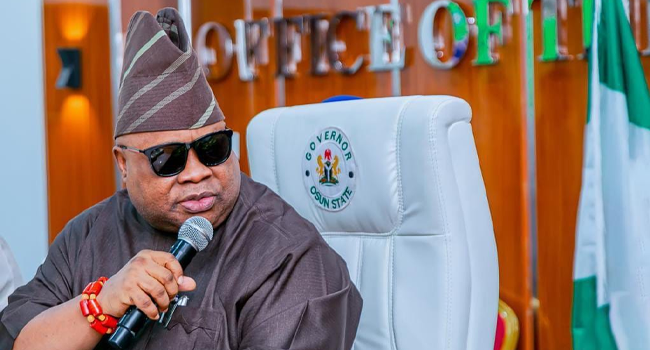
The Osun State House of Assembly approved the proposed constitutional amendment after lawmakers considered its provisions clause by clause.
In Oyo, lawmakers also endorsed the proposal after reviewing its provisions during plenary.
Ondo and Ekiti have confirmed receiving the bill but have yet to complete their consideration of the proposed amendment.
In Ondo, the bill was read on the floor of the House and distributed to lawmakers for further study.
Ekiti is also expected to commence formal consideration after completing its internal legislative procedures.
Lagos State had previously endorsed the establishment of state police and called for an accelerated process.
However, its position regarding the specific constitutional amendment transmitted by the National Assembly remains unclear.
The Lagos Assembly backed the creation of state police during plenary in July, but there has been no clear public confirmation that it has formally approved the full constitutional amendment and transmitted its resolution to the National Assembly.
Ogun State has also received the proposal, with the House constituting a committee to scrutinise the bill before it is brought before the lawmakers for full consideration.
Rivers, Edo approve as other states consider proposal
In the South-South, Rivers and Edo have approved the proposed constitutional amendment.
The Rivers State House of Assembly unanimously endorsed the proposal after considering the relevant constitutional provisions.
Speaker Martin Amaewhule said the reform was intended to strengthen Nigeria’s security architecture and bring policing closer to the people.
The House recorded 25 votes in support of the amendment, with no opposition or abstention.
The Rivers Assembly also noted that the proposal would preserve the Nigeria Police Force at the federal level while establishing a constitutional framework for state police services.
Edo lawmakers similarly gave their concurrence to the proposed amendment.
Cross River has commenced consideration of the bill after it passed its first reading.
Delta State has confirmed receipt of the document but is consulting stakeholders before reaching a final position.
Bayelsa, meanwhile, had yet to formally debate or vote on the proposal as of the latest checks.
Northern states yet to catch up
The legislative process has also progressed slowly across several parts of Northern Nigeria.
PulseNets obtained information indicating that several state assemblies have received the bill but are yet to debate it, while others have indicated that they are still awaiting formal transmission.
Kano, Kwara, Kebbi, Taraba and Gombe are among the states where lawmakers have said the proposal had either not been formally received or had not been scheduled for consideration.
In Kogi, the bill has been received, but the House has yet to reach a decision.
Yobe, Borno, Nasarawa, Zamfara and Sokoto have also received the proposal but are yet to approve it.
In Yobe, the Assembly confirmed receipt of the bill but said it had not yet been listed on the Order Paper.
“The bill has been received by the House, but it has not yet been listed in the proceedings or Order Paper for consideration,” Legal Secretary to the Assembly, Ibrahim Madaki, said.
Nasarawa has also acknowledged receiving the constitutional amendment.
Speaker Danladi Jatau said lawmakers would study the proposal before taking the required legislative steps.
In Sokoto, Deputy Speaker Kabiru Ibrahim Kware confirmed that the bill had been received but that debate had not commenced.
“We have received the bill from the National Assembly, but we have not commenced deliberation on it yet,” he said.
Bauchi has moved further in the process by establishing a committee to examine the proposal and submit its findings to the House.
Plateau is also among the Northern states that have commenced the formal legislative process.
The bill has been read on the floor of the House, with consideration now underway.
South-East yet to record approval
The South-East has also yet to record a formal approval among the states covered in the latest checks.
Anambra, Enugu and Imo have not concluded their consideration of the proposal.
Abia is expected to take a position after lawmakers return from recess on October 6.
The Acting Clerk of the Abia House of Assembly, Pastor Promise Onwukwe, told PulseNets that the matter would have to be considered collectively by lawmakers on the floor of the House.
“The House is currently on recess and will resume on Tuesday, October 6. Members cannot vote in isolation; it must be done in the hallowed chambers. So, when they resume, I believe they will do the needful,” he said.
Ebonyi, however, has confirmed receipt of the bill and indicated that it would give the proposal accelerated consideration.
The proposed constitutional amendment is ultimately aimed at creating a legal and constitutional foundation for state police services while retaining the Nigeria Police Force at the federal level.
Also Read: Nigeria Moves Closer to State Police as Presidency Confirms Constitutional Amendment Plans
The proposal also provides for safeguards and national standards to regulate the establishment and operation of state police services.
The state police debate remains one of the most significant issues in Nigeria’s ongoing security conversation as the country continues to confront kidnapping, banditry, terrorism and other forms of violent crime.
The immediate challenge, however, remains securing approval from at least 24 state Houses of Assembly, meaning the four states that have so far backed the proposal leave the reform 20 approvals short of the constitutional threshold.