Breaking: Manchester United Sack Rúben Amorim After Turbulent Spell at Old Trafford
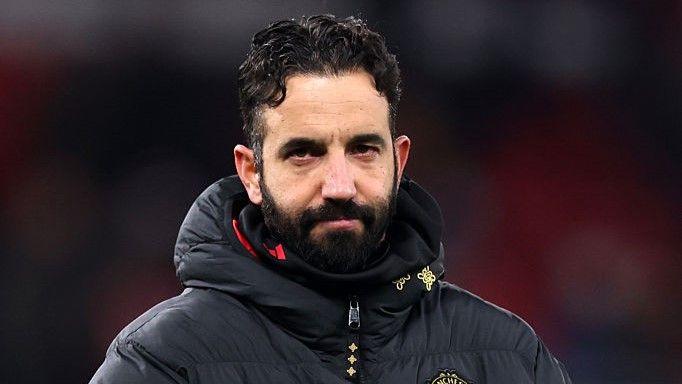
Manchester United have officially ended their working relationship with head coach Rúben Amorim, bringing his spell at Old Trafford to a sudden close after a disappointing run of results and mounting pressure behind the scenes.
The Premier League giants confirmed the decision on Monday, stressing that a managerial change had become necessary as the club continues to battle inconsistency both domestically and in other competitions. Amorim, who arrived amid significant optimism and expectations, departs without delivering the level of sustained performance aligned with Manchester United’s long-term ambitions.
PulseNets learnt that the decision was not driven by results alone. Individuals familiar with internal discussions told PulseNets that tensions had been growing over key issues such as squad control, transfer influence, and the club’s broader sporting strategy. These disagreements were further aggravated by recent public remarks from Amorim, which reportedly unsettled senior figures within the club’s hierarchy.
According to information obtained by PulseNets, Manchester United believe a reset is required to stabilise the team and protect its competitive objectives for the remainder of the season. A senior club source, speaking in confidence, was quoted as saying, “The feeling was that the relationship had reached a point where progress was no longer possible. A decisive step was needed to refocus the squad and the club.”
Manchester United are yet to announce a permanent replacement, but PulseNets reported that an interim manager is expected to be unveiled in the coming days as the club commences a wider search for a long-term successor.
Also Read: How and Why Arsenal Beat Manchester United at Old Trafford: Full Match Analysis
The dismissal represents another chapter in a prolonged period of managerial instability at Old Trafford, reinforcing ongoing concerns among supporters and pundits about the club’s strategic direction, governance, and on-field identity.