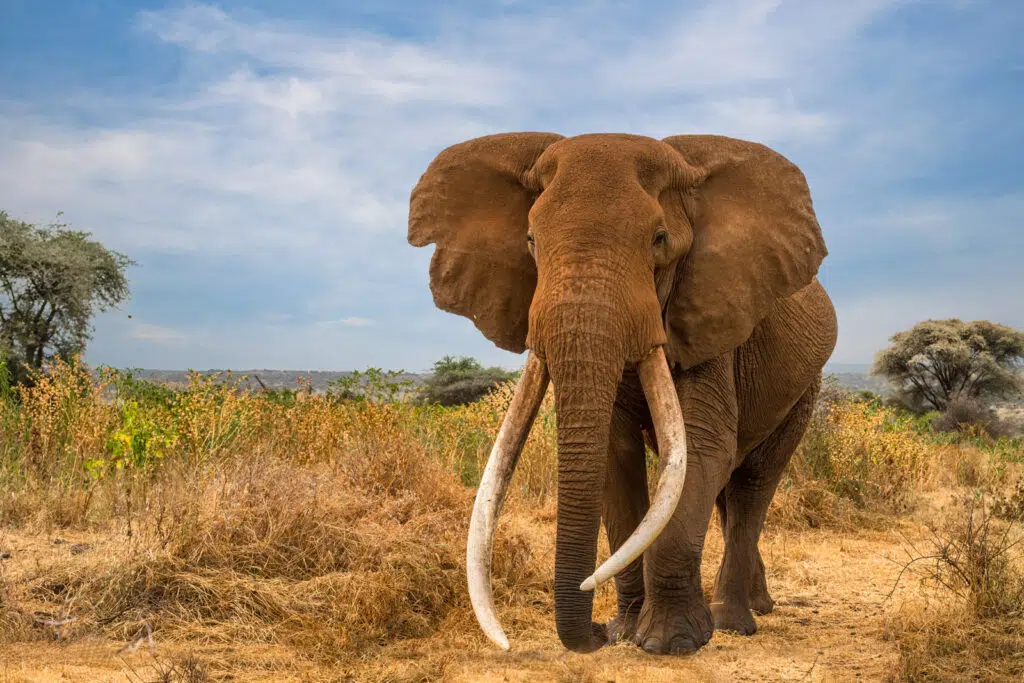
Legendary African “Super Tusker” Elephant Craig Passes Away at 54
In the vast plains of southern Kenya, where dust rises gently beneath ancient acacia trees and Mount Kilimanjaro watches silently from afar, a giant has fallen. Elephant Craig, one of Africa’s most iconic elephants and among the rarest of the rare known as “super tuskers,” has died at the age of 54. His passing has left a profound sense of loss across the conservation world and beyond, marking the end of a life that symbolized hope, resilience, and the fragile success of wildlife protection in modern Africa.
Craig was more than an elephant. He was a living reminder of a time when Africa’s landscapes were filled with giants, when massive tusks were not a liability but a natural marvel. Today, fewer than 40 super tuskers are believed to remain across the entire continent. Craig stood among them as one of the most recognizable, admired, and photographed elephants in the world.
What Made Elephant Craig a Super Tusker
Super tuskers are defined by the extraordinary size of their ivory, with each tusk weighing over 45 kilograms. Craig’s tusks were so long and heavy that they nearly brushed the ground as he walked. In an age when such tusks have historically attracted poachers, Craig’s survival into old age was extraordinary.
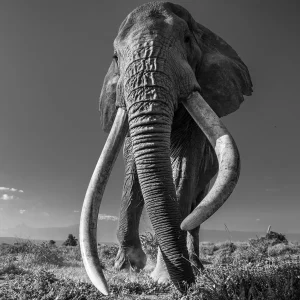
Born around 1971, Craig lived through the darkest era of elephant poaching in Africa. During the 1970s and 1980s, tens of thousands of elephants were slaughtered annually for ivory. That Craig survived this period, and later thrived, speaks to both resilience and the growing strength of conservation efforts in Kenya.
A Life Intertwined With Conservation
Craig’s longevity was not accidental. His life became closely intertwined with Kenya’s conservation story. As awareness grew around the rarity of super tuskers, Craig was quietly monitored and protected by wildlife authorities and conservation organizations. Anti-poaching patrols intensified, and local communities were increasingly engaged as partners in conservation rather than adversaries.
Amboseli National Park, where Craig spent much of his life, became a global model for community-based wildlife protection. The Maasai people, who share grazing lands with elephants, played a critical role in reducing conflict and helping ensure that iconic animals like Craig could roam freely beyond park boundaries.
Craig’s existence helped justify and strengthen these conservation investments. He became living proof that protection works. Where once elephants with tusks like his would have been killed before reaching maturity, Craig lived long enough to become a patriarch of his environment.
A Photographer’s Dream and a Global Icon
Few wild animals have been photographed as extensively as Craig. Against the dramatic silhouette of Kilimanjaro, his image appeared in magazines, documentaries, conservation campaigns, and countless personal photo collections. For photographers, seeing Craig was considered a privilege. For many, it was the highlight of their careers.
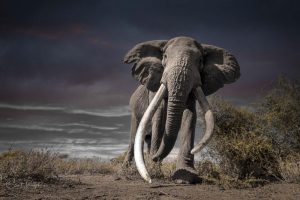
But Craig was not just a subject for beautiful images. He was a storyteller. His presence told a story of survival against the odds, of patience, of time measured not in years but in generations. Every wrinkle on his face, every slow deliberate step, spoke of decades spent navigating droughts, human expansion, and environmental change.
Through these images, Craig reached millions of people who would never set foot in Amboseli. He helped humanize conservation, transforming abstract discussions about biodiversity into a personal connection with a single, unforgettable elephant.
A Father and a Genetic Treasure
Beyond his fame, Craig’s most important contribution may lie in his legacy as a breeder. Over his lifetime, he fathered numerous calves, passing on the rare genes responsible for his massive tusks. Conservationists hope that some of his offspring may one day grow into tuskers themselves, helping preserve a genetic line that is rapidly disappearing.
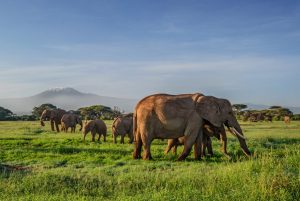
In elephant society, older bulls like Craig play a crucial role. They help maintain social order, guide younger males, and reduce aggressive behavior. His presence would have shaped the behavior of generations of elephants, even beyond his direct descendants.
With his death, the ecosystem loses not just an individual, but a source of wisdom and stability built over half a century.
A Peaceful End and a Sacred Place
Craig is believed to have died of natural causes, a rare and dignified end for an elephant of his stature. No violence. No chaos. Just a quiet passing in the land he had walked for more than five decades.
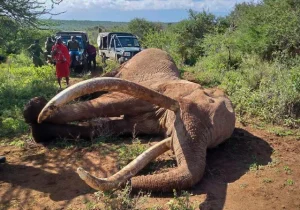
Finally, the Kenya Wildlife Service removed Craig’s long, iconic tusks. This process is legal, ethical, and standard practice for high-profile elephants like Craig. It ensures that his legacy contributes to conservation rather than exploitation, preventing his ivory from ever becoming a target for illegal trade.
As someone who understands elephants, I know something deeper as well.
The place where Craig died will never be the same again, especially to other elephants. That ground is now sacred to them. It will become a site of recognition, memory, and mourning. Elephants are known to revisit the bones and resting places of their dead, touching them gently, standing silently, remembering.
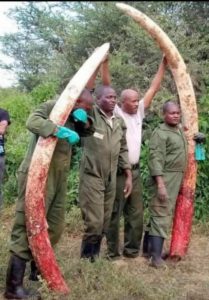
That place will remain a mourning ground for elephants from this generation to the next.
What Craig Leaves Behind
Craig’s death is both a triumph and a warning. His life shows what conservation can achieve. His absence reminds us how fragile that success remains. Super tuskers are still vanishing. Habitat loss, climate change, and human pressure continue to threaten Africa’s giants.
Craig did not roar. He did not seek dominance. He simply lived, and in doing so became one of the greatest ambassadors wildlife has ever known.
Africa has lost a giant.
The world has lost a symbol.
But Craig’s legacy endures.
What are your thoughts? Do you believe it was necessary for the Kenya Wildlife Service to remove Craig’s tusks?