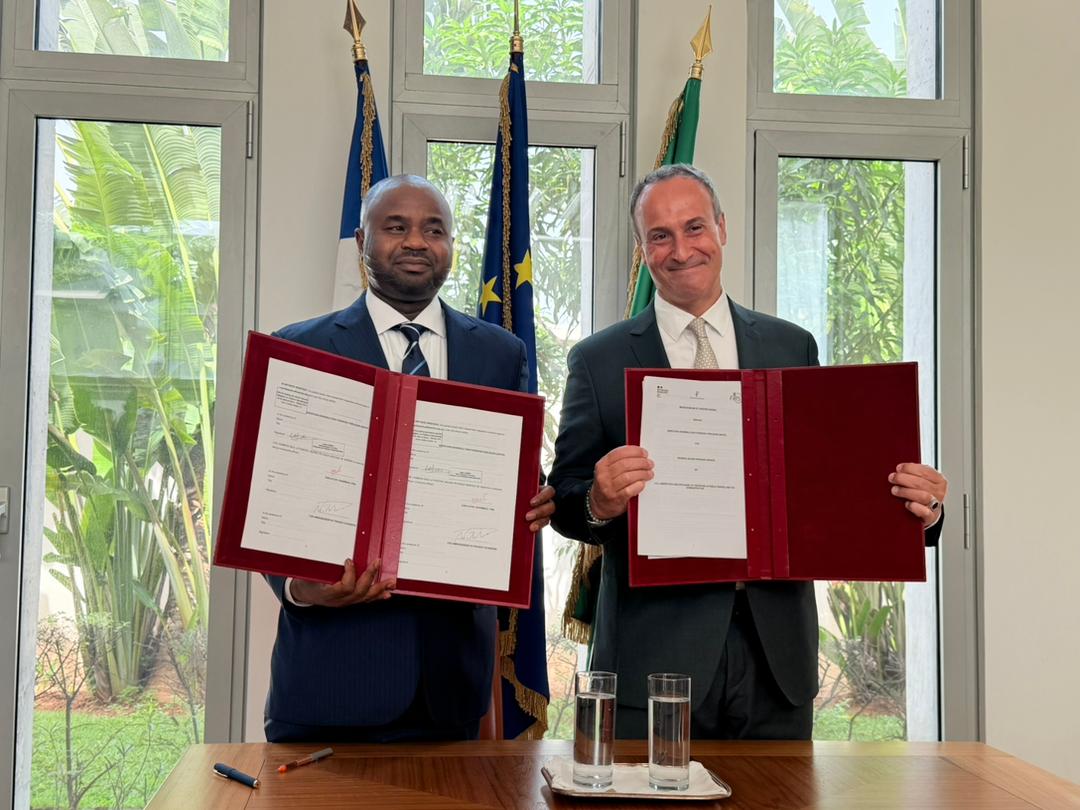
Nigeria, France Seal New Tax Cooperation Deal to Boost Digital Revenue Systems and Compliance
Nigeria’s push to overhaul and modernise its tax administration has gained fresh momentum following a new cooperation pact between the Federal Inland Revenue Service (FIRS) and the French government, aimed at upgrading revenue systems, deepening digital capacity, and tightening cross-border tax compliance.
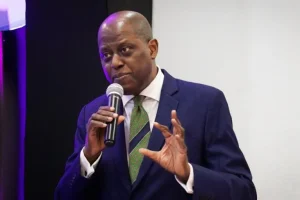
The agreement, formalised through a memorandum of understanding at the French Embassy in Abuja, was executed by the Executive Chairman of FIRS, Dr Zacch Adedeji, and France’s Ambassador to Nigeria, Marc Fonbaustier. The MoU sets out a structured framework for institutional collaboration between FIRS and France’s Direction Générale des Finances Publiques (DGFiP).
PulseNets learnt that the initiative underscores Nigeria’s resolve to build a more credible and efficient tax system that commands public confidence. Technical Assistant on Broadcast Media to the FIRS Executive Chairman, Arabinrin Aderonke, said the development reflects a deliberate effort to create “a tax system that functions properly, inspires trust, and reassures citizens that their contributions truly count.”
She explained that the partnership prioritises modern tax administration techniques, digital transformation, and comprehensive capacity building for staff across both institutions.
According to Aderonke, the MoU mirrors Adedeji’s focus on what she described as “intentional and results-driven reform,” adding that it represents “a deliberate willingness to study what works elsewhere and thoughtfully adapt it to Nigeria’s realities.”
She further noted that the FIRS chairman has repeatedly maintained that reform is “less about grand declarations and more about improving how the work itself is done,” stressing the importance of deploying digital solutions that deliver real value rather than cosmetic upgrades.
“The emphasis is on digital tools that actually work, not systems that merely look impressive,” she told PulseNets, pointing to FIRS’ ongoing efforts to shorten processing timelines, simplify taxpayer communication, and strengthen compliance mechanisms.
A key pillar of the collaboration is the structured exchange of expertise between both countries. French officials are expected to provide insights drawn from managing a long-established tax administration, including professional ethics, training frameworks, and workforce development models. In turn, Nigeria will highlight its flexibility, innovation, and the energy of its youthful tax workforce.
“This is a two-way learning process,” Aderonke observed, noting that the partnership is designed to enhance the “skills, culture, and professional confidence” of tax administrators on both sides.
PulseNets obtained that the MoU also addresses critical global tax issues such as transfer pricing, cross-border taxation, and information exchange—areas Aderonke described as “non-negotiable for any economy seeking relevance in today’s interconnected world.”
The agreement is expected to support Nigeria’s alignment with international best practices while ensuring the protection of national fiscal interests.
Also Read: U.S. Lawmaker Riley Moore Prepares Brief for Trump After Witnessing ‘Horrific’ Attacks on Nigerian Christians
She emphasised that the collaboration should not be viewed through the lens of superiority or dependency but rather as “an open process of dialogue, testing ideas, and shared learning.” Aderonke credited Adedeji’s leadership approach, saying he “has chosen action over delay, refusing to wait for perfect conditions before initiating change.”
“This is another clear step in the right direction,” she concluded, adding that more Nigerians are beginning to sense that “the system is finally starting to work in their favour.”