Poor Drainage Systems Worsening Urban Flooding in Nigeria — Expert Warns
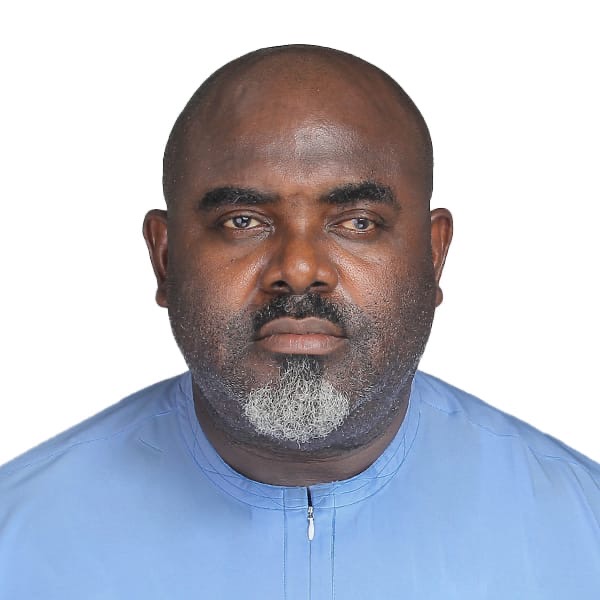
A petroleum engineer and environmentalist, Mr. Charles Deigh, has blamed the persistent cases of urban flooding in Nigeria on the poor design, construction, and maintenance of drainage systems across major cities.
Speaking exclusively to PulseNets in Abuja on Monday, Deigh explained that blocked and inadequate drainage channels continue to aggravate flooding, particularly during the rainy season.
According to him, while climate change and heavy rainfall are contributing factors, the absence of an efficient drainage infrastructure remains the core cause of Nigeria’s recurring flood disasters.
“In many Nigerian cities, drainage systems are either too narrow, poorly constructed, or completely blocked by waste,” Deigh told PulseNets.
“When stormwater has no proper outlet to canals or rivers, it naturally diverts into homes, roads, and marketplaces, resulting in massive property destruction.”
PulseNets learnt that Lagos remains one of the worst-hit states, as recent torrential rains submerged key areas including Lekki, the 3rd Mainland Bridge corridor, Ago Palace Way, Ayobo-Ipaja, Fola Osibo, and Sangotedo—damaging property worth billions of naira.
Deigh further disclosed that similar flood incidents have been recorded in Bayelsa, Benue, Anambra, Imo, Rivers, and Niger States, where poor drainage and unplanned urban development have worsened the situation.
He expressed concern that beyond infrastructure losses, floodwaters often mix with refuse and sewage, heightening the spread of waterborne diseases such as cholera, typhoid, and dysentery.
“Children are the most vulnerable,” he said.
“Every flood season stalls commercial activity — markets close, roads become impassable, and transport networks collapse. Each year, billions of naira that could build lasting infrastructure are instead spent on emergency responses.”
Deigh emphasised that flood prevention must replace reactive emergency response if Nigeria is to mitigate the annual menace.
“Flooding in Nigeria is not entirely natural; it’s a man-made crisis driven by years of neglect and weak governance,” he told PulseNets.
“If we fail to deliberately upgrade our drainage systems, every rainy season will remain a season of fear.”
Also Read: Governor Okowa’s N30 Billion Drainage Collapses In Delta State (Photos)
He therefore urged the government to enforce building codes, regularly expand and desilt drainage channels, and establish functional waste management systems to reduce blockages.
Meanwhile, the Nigerian Meteorological Agency (NiMet) had earlier warned that most parts of the country could experience above-normal rainfall in 2025. The agency advised state governments to intensify flood-prevention strategies and strengthen urban drainage systems to avert another round of devastation.