Wole Soyinka Urges Tinubu to Release Findings on Unresolved Killings, Demands Justice for Victims
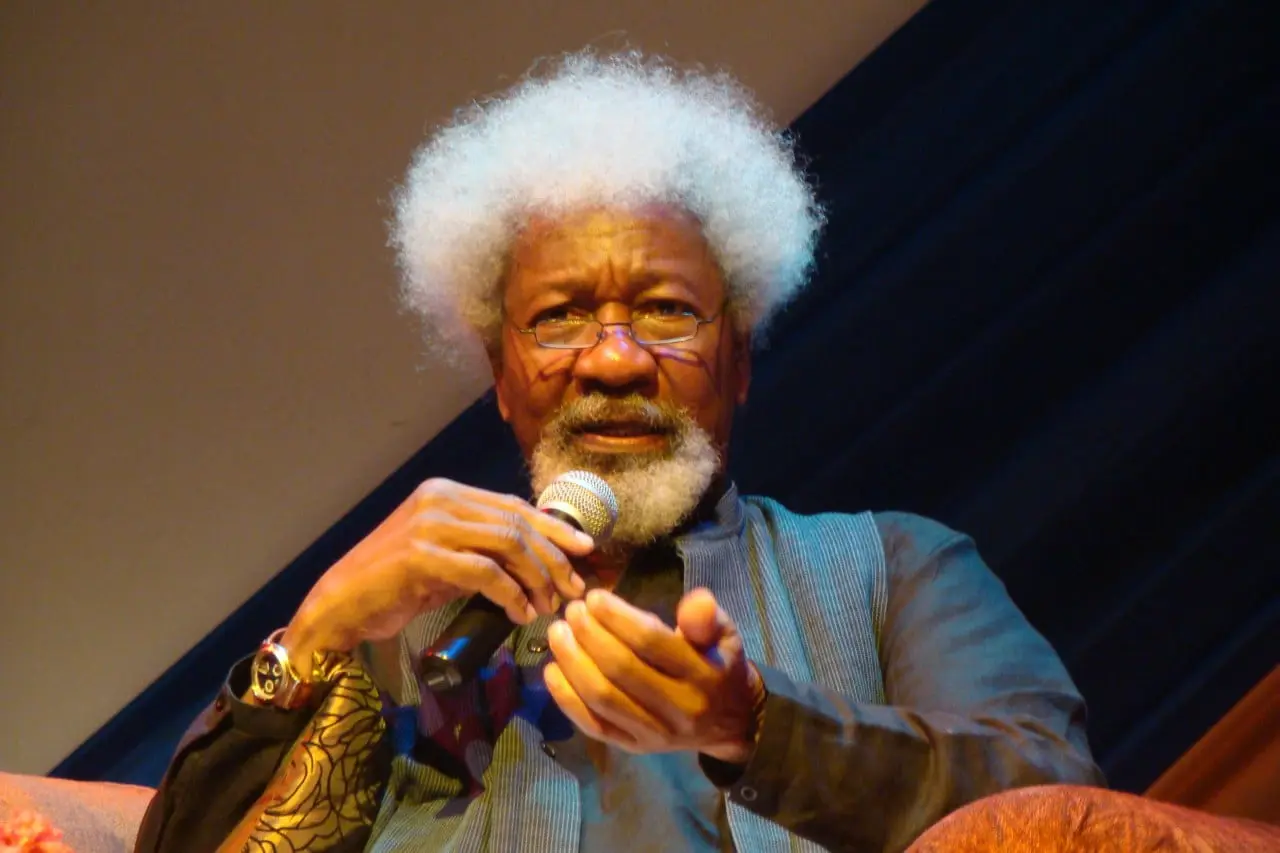
Nobel Laureate, Professor Wole Soyinka, has urged President Bola Tinubu to make public the findings of investigations into unresolved assassinations and extrajudicial killings across Nigeria, warning that prolonged silence over such cases has fuelled impunity and denied justice to victims and their families.
Soyinka made the call on Friday in Port Harcourt during the 28th Wole Soyinka Lecture organised by the National Association of Seadogs (Pirates Confraternity), PulseNets learnt.
The lecture, which also commemorated the association’s annual Martyr’s Day, was themed, “Reclaiming the Nigerian State through Accountability, Justice and Civic Courage.”
Addressing participants, the Nobel Laureate recalled that shortly after assuming office in 2023, President Tinubu requested files relating to unresolved assassinations and extrajudicial killings. He appealed to the President to disclose the outcome of those reviews and ensure that those found culpable are held accountable.
“I want Nigerians to join me in asking President Tinubu to bring out those files. We want to know what happened, why it happened and who should be held accountable,” Soyinka said.
He maintained that revisiting unresolved cases would strengthen public confidence in Nigeria’s justice system, noting that the country has endured decades of unlawful arrests, illegal detention, unresolved assassinations and extrajudicial killings without meaningful accountability.
According to Soyinka, successive administrations have failed to secure justice for victims and their families, creating an environment where human lives are increasingly treated as expendable.
“This lecture is dedicated to the martyrs, to those who have needlessly and avoidably had their lives wasted,” he stated.
The renowned playwright referenced the killing of Deborah Samuel as one of Nigeria’s unresolved tragedies, describing the incident as a painful reminder of the country’s justice deficit.
“The crime is not only the killing. The greater crime is the silence that followed and the failure to hold those responsible accountable,” he said.
Soyinka further cautioned that any nation where citizens could be killed by state actors or other perpetrators without consequences had failed in its responsibility to protect lives. He dismissed claims that speaking against such killings was aimed at provoking ethnic or religious tensions, insisting that safeguarding human life must remain the cornerstone of every democratic society.
“I want the justice system in Nigeria not to fail us again. I don’t want it to create a pattern of impunity where human lives are treated as disposable,” he added.
He called on Nigerians to collectively reject impunity and work towards building a nation anchored on accountability, justice and respect for the sanctity of human life.
Also speaking at the event, former Minister of Aviation, Chief Osita Chidoka, said justice begins long before matters reach the courtroom, arguing that the process starts with how complaints are handled by security agencies.
Chidoka stressed that decisions within the justice system should be based on merit rather than influence.
Expressing concern over the growing number of awaiting-trial inmates in Nigerian custodial centres, he disclosed that about 64 per cent of inmates had not been convicted of any offence.
“Each of these 50,000 is a life in suspension. When the state causes that delay and citizens pay with their liberty, the delay becomes a form of violence,” he said.
He emphasised that justice must serve every Nigerian equally, irrespective of political affiliation, ethnicity or social status.
“The law is not established when it protects only our family and friends. Justice must defend the accused, the unpopular, the political opponent and the minority,” Chidoka stated.
Chairman of the occasion and former Managing Director of the Niger Delta Development Commission, Timi Alaibe, also identified tribalism, weak institutions and poor accountability as major impediments to Nigeria’s development.
Also Read: Wole Soyinka Spotted Riding Okada in Abeokuta Over Fuel Price Surge in Nigeria
According to Alaibe, Nigeria’s biggest challenge is not the absence of workable solutions but the inability to implement reforms that are already well known.
“Too often, the institutions designed to hold power accountable have been weakened, while justice remains a privilege rather than a right for many Nigerians,” Alaibe said.
He added that rebuilding Nigeria would require sustained commitment from citizens, institutions and leaders alike.
“Reclaiming the Nigerian state will not come through one dramatic event but through the steady accumulation of principled choices by citizens, institutions and leaders.”