2027 Elections: INEC Says 100% Perfect Polls Not Yet Attainable
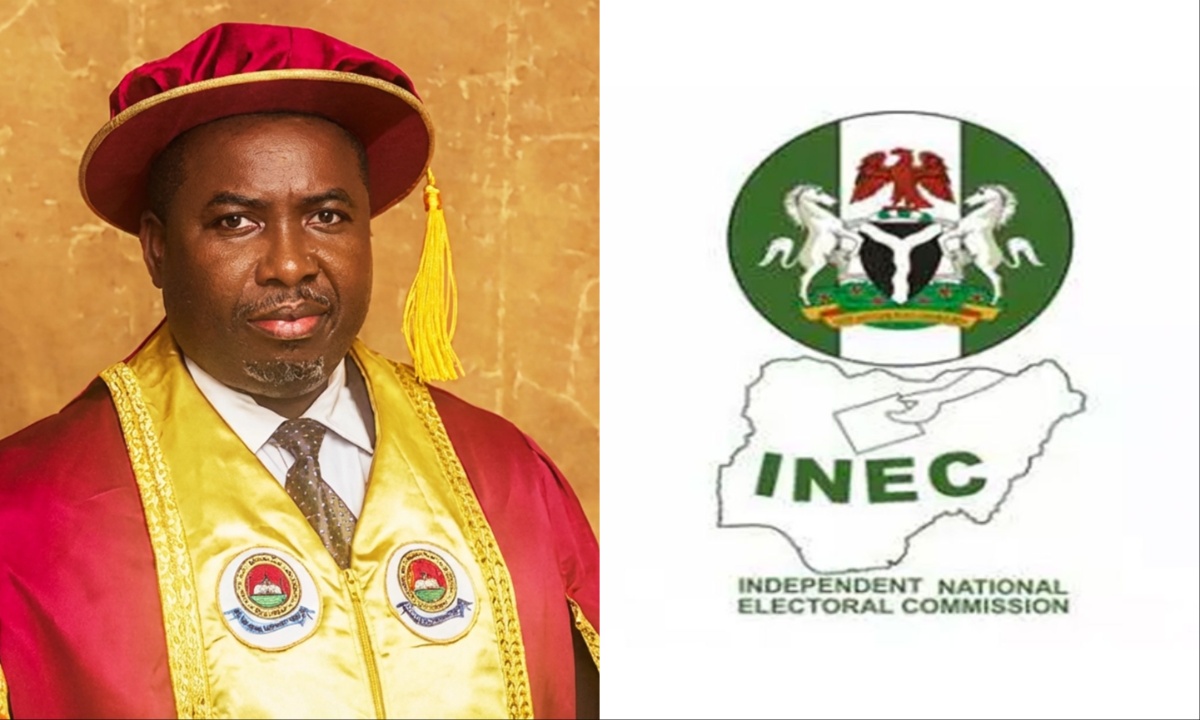
Abuja — Nigeria’s electoral umpire has moderated public expectations ahead of upcoming polls, as the Chairman of the Independent National Electoral Commission (INEC), Prof. Joash Amupitan, acknowledged that delivering a flawless election in the immediate term remains beyond reach despite ongoing institutional reforms.
Speaking at a Citizens Town Hall Meeting on Electoral Act reforms held in Abuja on Sunday, March 1, 2026, the INEC Chairman responded to mounting calls for seamless elections, noting that while Nigerians are justified in demanding transparency and credibility, structural realities cannot be ignored.
“Let me just appeal to Nigerians because I have noticed now that what Nigerians desire is a perfect election,” he said. “INEC will strive as much as possible to give this country the best election; however, we may not be able to achieve a 100 per cent perfect election for now.”
PulseNets learned that the town hall engagement brought together civil society organisations, political actors, legal experts and members of the public to review proposed reforms under the amended Electoral Act 2026 and assess Nigeria’s evolving electoral framework.
On the recurring controversy surrounding electronic transmission of results, particularly since the 2023 general elections, Prof. Amupitan dismissed claims that connectivity alone remains the principal challenge. Instead, he pointed to broader questions around the robustness and sufficiency of the country’s telecommunications backbone.
“I do not see the issue of transmission as a problem,” Prof. Amupitan explained. “The problem is not the network but the adequacy of the networks Nigeria has.”
His comments come against the backdrop of recent amendments to the Electoral Act signed into law by President Bola Tinubu, which retained contingency provisions allowing manual collation where technological failures occur. The clauses have generated criticism from leading opposition figures, including Atiku Abubakar, Peter Obi, and Rotimi Amaechi, who argue that such safeguards could weaken confidence in real-time electronic transmission to INEC’s IReV portal.
PulseNets reported that concerns over electronic transmission failures during the 2023 presidential election, especially in key battleground states, triggered legal disputes and intensified scrutiny of INEC’s technological readiness. Critics maintain that mandatory, exception-free electronic transmission is essential to restoring trust in Nigeria’s electoral process.
However, Prof. Amupitan stressed that systemic obstacles persist, including uneven internet penetration in rural communities, inconsistent power supply, and complex nationwide logistics. He told PulseNets that while reforms remain ongoing, the commission’s immediate priority is to strengthen operational capacity within prevailing infrastructural constraints.
Observers say the chairman’s position signals a pragmatic recalibration rather than a retreat from reform. PulseNets obtained reactions from policy analysts who believe the debate will sharpen as political alignments crystallise ahead of the 2027 general elections.
Also Read: INEC to Conduct Mock Presidential Election Ahead of 2027 Polls, Releases Official Timetable
The Abuja town hall forms part of a broader nationwide consultation initiative designed to enhance electoral transparency, institutional accountability, and public confidence. As conversations around electronic transmission, manual collation safeguards, and electoral integrity deepen, stakeholders expect sustained pressure on INEC and the National Assembly to tighten the legal and technological architecture guiding future polls.
With preparations gradually shifting toward 2027, the credibility of Nigeria’s electoral system remains central to democratic stability, investor confidence, and citizen trust in governance.