Five Years of Fear: 330 students abducted, 52 schools shut in Katsina LGAs
A survey conducted by Oxford Policy Management (OPM) has revealed that between 2020 and 2025, more than 330 students were abducted across Batsari, Faskari, and Kankara Local Government Areas of Katsina State.
Hadiza Tijani, a consultant with OPM, told PulseNets on Tuesday in Katsina that the findings were presented during a dissemination workshop. The study, supported by UNICEF in collaboration with the Katsina State Ministry of Basic and Secondary Education, examined the impact of insecurity on access to education in Zamfara, Niger, and Katsina States.
According to the report, two students lost their lives, while 15 school staff were abducted and five killed across the three LGAs.
Quoting directly from her presentation, Ms. Tijani said:
“Other key findings from the respondents show that 37.7 per cent of teachers feel unsafe while teaching, and 79.7 per cent of students report difficulty concentrating due to noise and trauma.
“Also, 79.7 per cent of the students reported difficulty in concentration due to students’ noise or loud noises, while in Batsari, 50 per cent of teachers observed a significant attendance decline.
“This is followed by 45.5 per cent in Faskari and 39.1 per cent in Kankara.”
Banditry’s Toll on Education
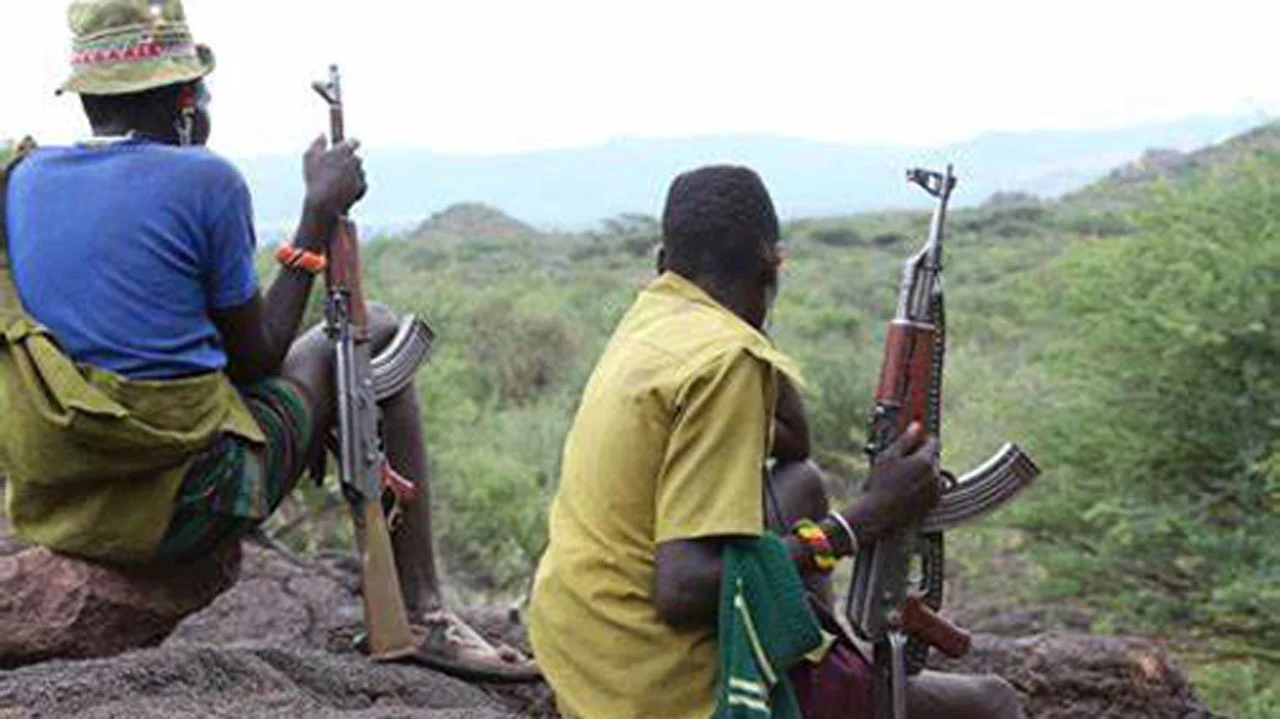
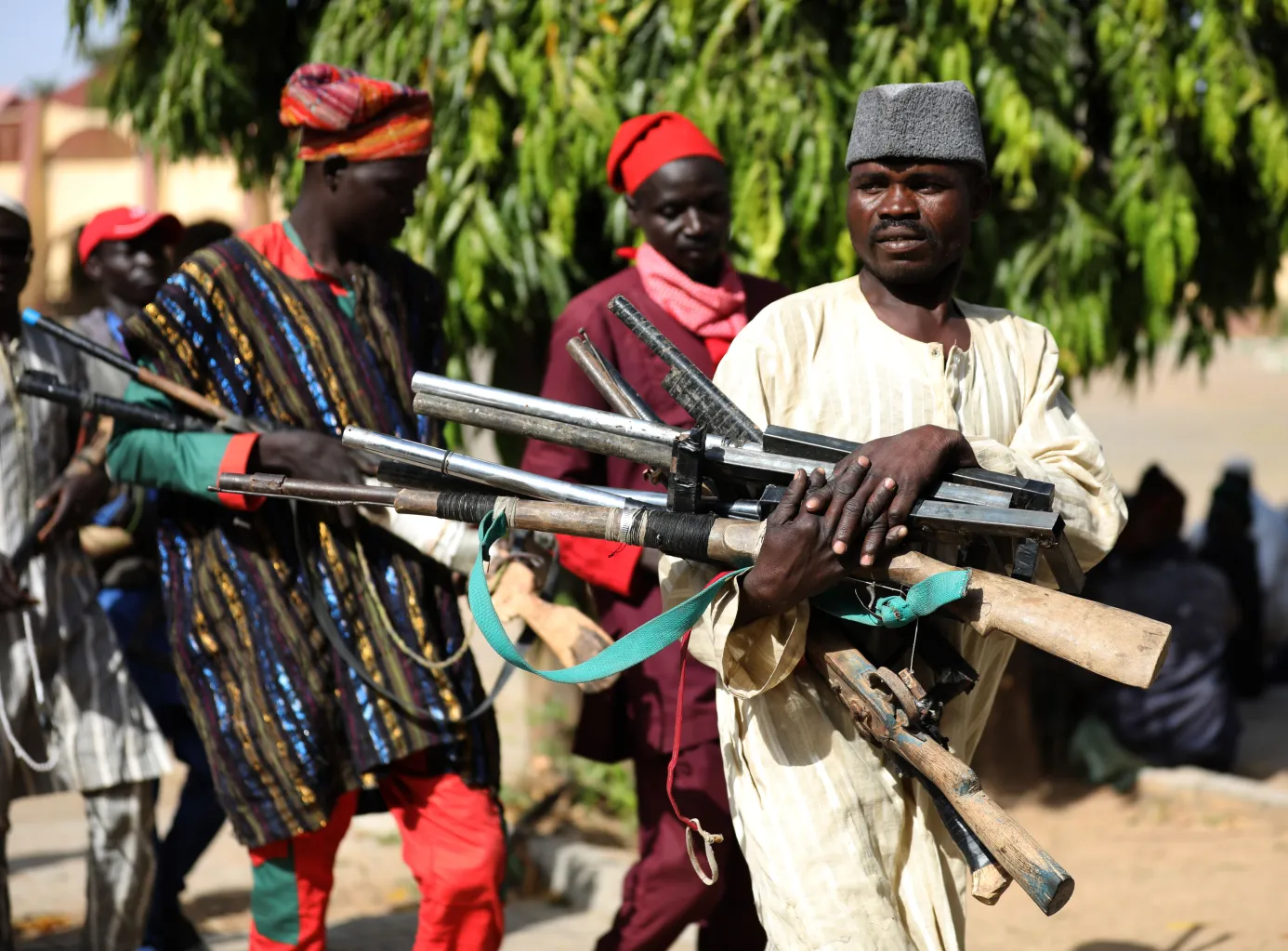
Ms. Tijani further reported to PulseNets that rural and border communities remain the worst hit by the surge in banditry over the past five years. A staggering 96.1% of respondents admitted experiencing bandit attacks, while 97.7% confirmed incidents of kidnapping.
She disclosed that 71 insecurity incidents were documented between 2020 and 2025, adding:
“In Kankara alone, over 300 students were abducted, while across Faskari and Kankara, 14 teachers were kidnapped and five were killed.
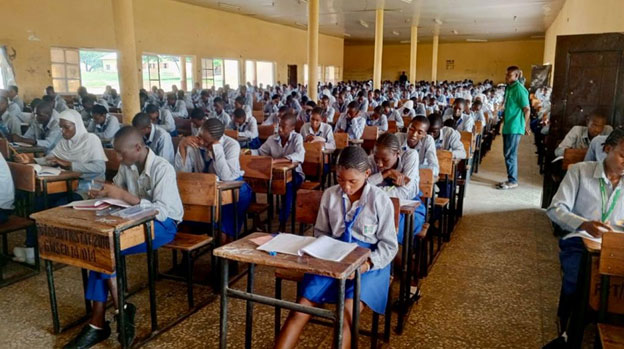
“Disruptions to education were most pronounced in rural and hard-to-reach areas of the state, with insecurity in surrounding communities frequently forcing schools to shut down, resulting in prolonged interruptions to learning activities.
“The use of temporary learning centres or hubs has gained notable support, particularly in Kankara LGA, where 84.4 per cent of respondents support this approach.”
Recommendations to Curb Education Disruptions
The OPM consultant learnt from respondents that urgent measures must be taken to restore education in conflict-hit areas. Among the key recommendations are:
-
Strengthening school security through political advocacy, infrastructure upgrades, early-warning systems, and emergency response training.
-
Relocating at-risk schools to safer zones.
-
Enhancing alternative education delivery through local teacher recruitment, community-based learning hubs, and radio teaching.
-
Improving teacher welfare and learner well-being via better pay, psychosocial support, and professional development.
-
Supporting livelihood recovery by boosting economic opportunities and social welfare for conflict-affected families.
UNICEF’s Perspective
In his remarks, Michael Banda, Officer-in-Charge of UNICEF Kano Field Office, reminded participants that education is not only a right but a foundation for peace, stability, and sustainable development.
He said:
“Schools have been closed, teachers displaced, families forced to flee, and communities left vulnerable.
“The consequences are severe, rising numbers of out-of-school children, learning losses, trauma among learners, and weakened community confidence in the school system.
“This study, undertaken in collaboration with government and partners, provides evidence and insights into how insecurity is affecting education outcomes in the region.
“The workshop gives the participants the opportunity to reflect together on the findings, share perspectives, and identify practical solutions.”
Also Read: 41 people killed in Katsina terrorist attack
On her part, Zainab Musawa, Katsina State Commissioner for Education, spoke to PulseNets, noting that although incidents of banditry had reduced in recent years, the scars of insecurity still linger.
She lamented:
“Some schools have remained closed due to fear of kidnapping, with students moved to safer environments.”