Niger Delta Fellows Craft Blueprint to Sustain Community Projects
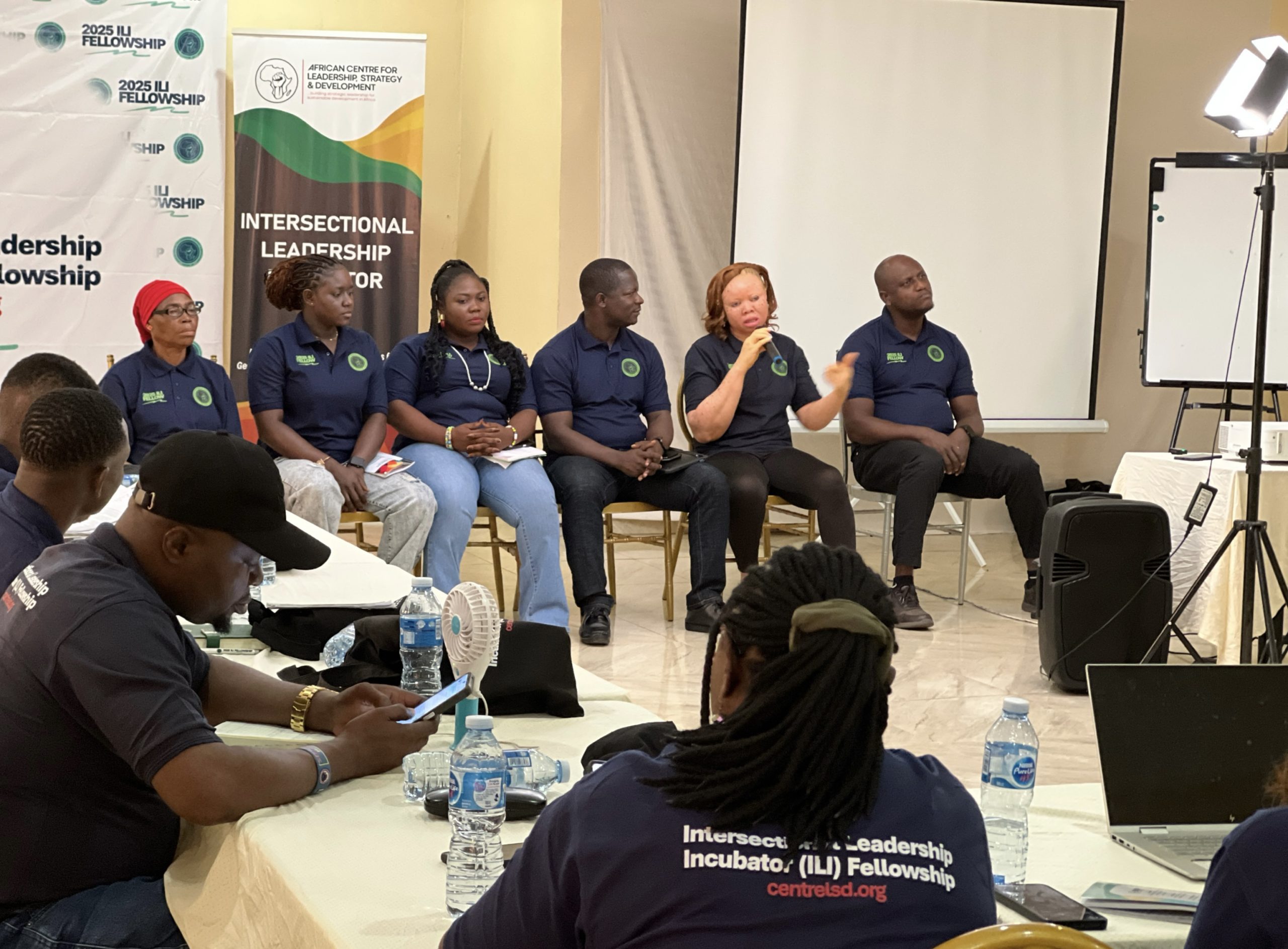
UGHELLI – In the dynamic space of community development across the Niger Delta, one recurring question continues to test the resolve of changemakers — how can grassroots projects outlive their initial funding? This pressing issue dominated discussions at the Intersectional Leadership Incubator (ILI) Fellowship close-out session in Ughelli, where participants sought fresh answers to the enduring challenge of sustainability.
The conversation, PulseNets learnt, moved beyond theory and took root in a real-life model drawn from Bayelsa State — a women-led environmental project that has struggled yet endured through the classic hurdles of limited funding, community pushback, and bureaucratic inertia.
During the Fellowship’s “Learning Lab,” facilitated by Mr. Monday Osasah, Executive Director of the African Centre for Leadership, Strategy & Development (Centre LSD), fellows examined the “Women-Led Oil Spill Monitoring & Environmental Restoration Project” in Oruma Creek. The project had initially achieved commendable results — training 25 women environmental monitors and documenting six major spill sites — but later faced what participants called the “sustainability trilemma.”
“The seed grant was simply not enough to sustain continuous monitoring,” a section of the case study revealed, stressing that weak institutional backing and excessive dependence on a few leaders nearly erased the project’s early impact.
This case, PulseNets obtained, became the rallying point for group deliberations that yielded a comprehensive Sustainability Blueprint — a model built by the fellows themselves for future adaptation across their communities.
The Four Pillars of the Sustainability Blueprint
1. Strategic Institutional Partnerships
The fellows unanimously agreed that projects cannot thrive in isolation. They proposed embedding community initiatives within existing government and civil structures, forming alliances with state ministries, and partnering with national and international NGOs for technical and legal support. Plans also included setting up community committees to promote local ownership — a direct response to the isolation that hampered the Oruma Creek effort.
2. Diversified and Innovative Funding
Moving away from over-reliance on grants, participants outlined creative funding models. Ideas included launching social enterprises linked to project activities, creating cooperative savings groups for member contributions, and running targeted media campaigns to attract CSR funding and diaspora support.
3. Community Ownership and Decentralized Structure
Fellows emphasized the importance of spreading leadership responsibility. Their plans advocated for management teams, inclusive cooperatives involving women, youth, and traditional leaders, and ongoing leadership training to reduce dependence on any single individual — a lesson drawn directly from the Bayelsa case study.
4. Strategic Communication for Visibility and Accountability
The role of the media emerged as indispensable. Groups recommended creating dedicated social media channels, partnering with local radio stations for outreach, and leveraging media visibility to demand transparency from public institutions. As one fellow told PulseNets, “Visibility is our strongest form of protection and sustainability.”
Mr. Osasah, while reacting to the presentations, urged participants to evolve from implementers into institution builders, stressing that sustainable development requires systems, not just good intentions.
“If your project dies the moment the grant ends, then you’ve built a campaign, not a community institution,” he told the fellows.
Also Read: INC Slams Disparities Between PIA 2021 and Solid Minerals Act, Calls It “Systemic Injustice” Against Niger Delta
As the ILI Fellows prepare to return to their ten Niger Delta states, they do so armed with a tested and adaptable sustainability playbook — one that turns short-term seed grants into long-term community transformation models.
In a region where too many initiatives fade after their pilot phase, this Ughelli experience offers something rare: a living example of how local leaders can turn lessons into legacies.