2027 Elections May Be Postponed If Ebola Outbreak Worsens, NCDC Warns
The Nigeria Centre for Disease Control and Prevention (NCDC) has warned that the 2027 general elections could be postponed if the ongoing Ebola outbreak escalates to a level that threatens public safety and makes the conduct of the polls difficult.
NCDC Director-General, Dr Jide Idris, disclosed this during an appearance on Channels Television’s Politics Today, where he discussed the outbreak and its potential implications for political activities in Nigeria.
Idris, however, clarified that there was currently no immediate need to consider postponing the elections, stressing that any such decision would depend on the severity of the outbreak and the risks it posed to the population.
“We in the health sector did not use disease issues as a political weapon,” he said.
The NCDC director-general added: “We hope the election will not be postponed but if the thing gets wide enough that might be considered, as at now there is no need for that.”
Idris explained that Nigerian health authorities had been monitoring the Ebola outbreak in the Democratic Republic of the Congo (DRC) before the virus was detected in the country.
He noted that international travel and cross-border movements made it necessary for Nigeria to remain vigilant against the spread of infectious diseases.
“This Ebola thing started in DRC a couple of months ago and we were tracking, they said for you to track again there is a possibility that it may get here due to our population movement, flight into this country, and ports of entry, yet it came, no government will use Ebola as a political weapon.”
The NCDC chief did not announce any postponement of the 2027 general elections or indicate that the Federal Government had initiated a formal process to alter the electoral timetable.
His comments presented a possible postponement as a contingency measure that could be considered only if the outbreak became severe enough to warrant such action.
The election timetable and any decision to change it remain matters for the relevant electoral and government authorities, while the NCDC is responsible for monitoring the outbreak, coordinating the public health response and providing guidance based on the evolving situation.
Nigeria Confirms Imported Ebola Case as NCDC Intensifies Surveillance
The current outbreak involves the Bundibugyo virus, a species of Ebola virus associated with the ongoing outbreak in the Democratic Republic of the Congo.
Nigeria confirmed an imported Ebola case in the Federal Capital Territory (FCT) on October 20, 2026, prompting health authorities to activate emergency response measures.
The patient was a woman who travelled from Uganda to Nigeria through Addis Ababa, Ethiopia.
According to information released by health authorities, she developed symptoms on October 7 and sought medical attention in Abuja before laboratory tests confirmed the infection on October 20.
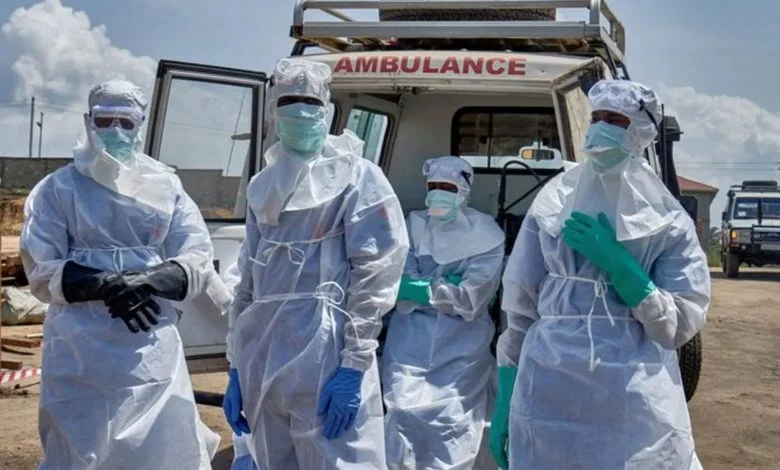
Following the confirmation, the NCDC and other public health agencies intensified surveillance, contact tracing and infection prevention measures to limit the risk of further transmission.
Health officials also began monitoring individuals who had contact with the patient, including healthcare workers and other close contacts.
As of October 24, the NCDC’s Ebola situation report listed 53 contacts associated with the confirmed case.
The agency also reported a suspected Ebola case in Rivers State on October 23, but subsequent laboratory tests returned negative results.
Despite concerns generated by the imported case, the NCDC has continued coordinating the response with the Federal Ministry of Health and Social Welfare, FCT health authorities and other relevant partners.
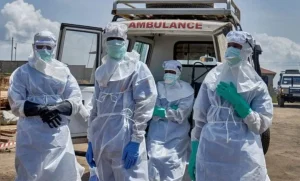
The agency has urged healthcare facilities to remain vigilant, promptly identify suspected infections and adhere to established isolation, reporting and infection prevention procedures.
Idris reiterated that the health sector would not use the outbreak for political purposes, maintaining that decisions concerning the disease must be guided by public health considerations.
Federal Government Activates Emergency Response Measures
In a related development, the NCDC intensified its emergency response following the Federal Government’s confirmation of Nigeria’s first Ebola case in the current outbreak on October 20, 2026.
The confirmation came amid the spread of the virus beyond the Democratic Republic of the Congo, with Kenya also reporting imported cases linked to the regional outbreak.
In a statement issued on October 20, the World Health Organization (WHO) Regional Office for Africa confirmed that Nigeria had detected an imported case of Ebola Bundibugyo virus disease in the Federal Capital Territory.
The WHO said the patient had recently travelled from Uganda and developed symptoms four days after arriving in Nigeria.
She reportedly sought treatment at a private health facility in Abuja on October 11, while laboratory testing confirmed the infection on October 20.
At the time of the initial announcement, health authorities said 44 contacts had been identified and were being monitored. The number subsequently increased as contact-tracing activities continued.
The Federal Government activated a coordinated public health response involving the NCDC, the Federal Ministry of Health and Social Welfare and FCT health authorities.
The measures included contact tracing, laboratory investigations, isolation arrangements and efforts to prevent infections within healthcare facilities.
The NCDC also stepped up surveillance at points of entry and called on hospitals to promptly report patients whose symptoms and travel histories could indicate a possible Ebola infection.
NCDC Provides Update on Ebola Patient and Contact Tracing
On October 25, Idris issued a further update on Nigeria’s response to the outbreak, reassuring the public that the government and its partners were working to contain the disease.
He confirmed that the patient remained in isolation and was receiving medical care.
The NCDC director-general said the response would prioritise the identification and monitoring of contacts, the protection of healthcare workers and the prevention of further transmission.
He also urged Nigerians to cooperate with public health officials and avoid circulating unverified information about the outbreak.
The NCDC’s situation report dated October 24 recorded 53 contacts linked to the confirmed case and stated that the patient had improved remarkably.
The report also confirmed that a suspected Ebola case in Rivers State had tested negative.
These developments have kept public health authorities on alert as they work to identify potential exposures and prevent local transmission.
WHO Calls for Regional Cooperation to Contain Ebola
The outbreak has attracted international attention because the Bundibugyo virus has been detected in multiple countries.
In an update published on October 23, the WHO reported continued transmission in the Democratic Republic of the Congo and confirmed that imported cases had been identified in Kenya and Nigeria.
The international health agency called for sustained surveillance, early detection, effective contact tracing and cooperation among affected and at-risk countries to prevent further spread.
The WHO also advised against imposing restrictions on travel to or trade with affected countries.
The recommendations underscore the importance of coordinated public health measures, particularly in countries with significant international travel and cross-border movement.
For Nigeria, the immediate priority remains containing the imported case, monitoring exposed individuals and strengthening surveillance to identify any additional infections as early as possible.
Ebola Outbreak Raises Public Health Concerns Ahead of 2027 Elections
The NCDC’s warning has drawn attention to the possible implications of the Ebola outbreak for Nigeria’s 2027 general elections.
Political campaigns, rallies and election-related activities could involve large gatherings and extensive movement of people across states, making effective disease surveillance and containment particularly important.
However, the NCDC has not announced any postponement of the elections, and no official declaration has been made that the 2027 electoral timetable will be altered because of the outbreak.
Also Read: IMF Warns Tinubu Government Against Restoring Petrol Subsidy
Idris’ remarks indicate that postponement would only be considered if the disease spread to a level that made holding the elections unsafe or impractical.
For now, health authorities continue to focus on containing the outbreak, monitoring contacts and preventing further transmission, while the conduct of the 2027 general elections remains subject to the existing electoral timetable and any subsequent official decisions by the relevant authorities.