CAN, Clerics, Lawyers Take Position on New Sermon Policy in Niger
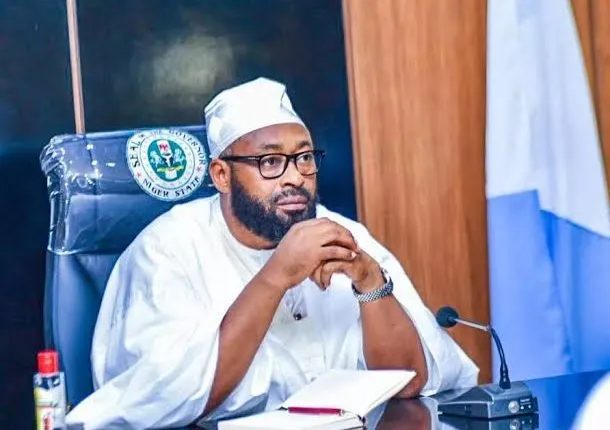
“Everyone attending Friday sermons should come with their scriptures for review.” With that single remark during a live TVC interview, Governor Umar Bago of Niger State rolled out a fresh enforcement order that has since ignited heated debate across the state including CAN.
The new policy also mandates religious clerics to obtain preaching licenses within two months. While some residents see the move as a pathway to peace and sanity in religious spaces, others fear it could threaten freedom of worship.
Sermon regulation not new, just revived – Niger DG
PulseNets learnt from the Director General of the Niger State Religious Affairs Commission, Umar Farooq, that the directive is not a novel idea but a revival of an edict first enacted in 1985.
In an exclusive chat obtained by PulseNets on Sunday, Farooq clarified:
“This is not a new law. There has been a preaching law since 1985. What we are doing is reviving and strengthening it to ensure a peaceful environment and to avoid unnecessary tensions.”
He emphasized that the governor did not outlaw preaching but insisted clerics must now exercise caution.
“Being a cleric does not mean one can say anything. Sermons must reflect the words of God and His prophets. No one is banning preaching, but we cannot allow messages that spread hate, incite violence, or attack others and institutions,” he told PulseNets.
Farooq further explained that the directive aims to sanitize the sector rather than silence religious voices.
“Our goal is not to gag preachers but to restore discipline and ensure harmony,” he said.
The DG also noted that the registration process will enable the state to build accurate data on clerics.
“We will issue forms to Islamic groups to identify their preachers. Alongside, we will train them, build their capacity, and issue certificates that will enrich their knowledge of what to say and what to avoid,” Farooq reported.
On enforcement, he disclosed that violators will be held accountable through their groups.
“If a cleric derails, his sect will be held responsible. There will be strict monitoring and the groups will serve as guarantors,” he explained.
When asked if the law extends to Christians, Farooq confirmed it is all-inclusive but admitted that
“the pressing challenges at the moment are more from the Muslim community.”
CAN says Christians exempted, for now
Daniel Atori, media aide to Reverend Bulus Dauwa Yohanna, the Niger State Chairman of the Christian Association of Nigeria (CAN), spoke to PulseNets and clarified that the directive currently applies only to Islamic clerics under Da’awa registration.
He explained:
“At first, the memo created confusion and many assumed it covered pastors, reverends, and imams. But upon review, it became clear the forms are strictly for Muslim clerics.”
Atori added that the law was introduced to address reported cases of inflammatory sermons that allegedly threatened democracy and peace in some parts of the state.
“For now, Christians are not affected. The forms are solely for the Islamic community. However, CAN does not oppose government checks where messages promote disorder,” he said.
Atori further noted that the government may, in future, extend the regulation to Christians if deemed necessary.
“The government has said they are watching. If the need arises, they may expand it. But for now, it is strictly Da’awa,” he told PulseNets.
Cleric warns against extremism and political abuse
An Islamic cleric based in Kano, Jabeer Mukthar Salisu, spoke exclusively to PulseNets, warning that Niger State’s directive may have been triggered by extremist tendencies among certain sects.
According to him,
“Some clerics wield strong influence. If such a person incites violence, his followers act accordingly. The government cannot license such clerics.”
He noted that sect rivalries between Ahlul Sunnah, Darika, and Shi’ites often escalate into threats and hate speech.
“We’ve seen mosques threatened with arson and clerics accusing one another of insults or blasphemy. Such hostilities disturb the peace,” Jabeer explained.
He stressed that Nigeria’s religious space lacks regulation, with many self-proclaimed clerics preaching from homes or social media without proper training. While supporting some form of regulation, he cautioned against potential political manipulation.
“The real fear is whether government will use this to silence voices it dislikes. Even if this administration is sincere, future ones may abuse it,” he told PulseNets.
Jabeer concluded that differences among clerics should be addressed respectfully through knowledge and debate, not threats or political interference.
Also Read: You Can’t Blackmail Tinubu Out of Power in 2027 Like Jonathan, APC Chieftain Kwankwaso Tells El-Rufai
Legal analyst Barrister Usman Yau explained to PulseNets that Governor Bago’s enforcement is fully constitutional since the law already exists.
“The governor is acting within the law. Edict laws created under military regimes were valid state instruments and many of them still exist under democracy,” Yau said.
He noted that state governments retain powers under the constitution to enforce laws that promote peace, order, and good governance.