El-Rufai Alleges Nosebleed in EFCC Custody Amid Fraud Probe
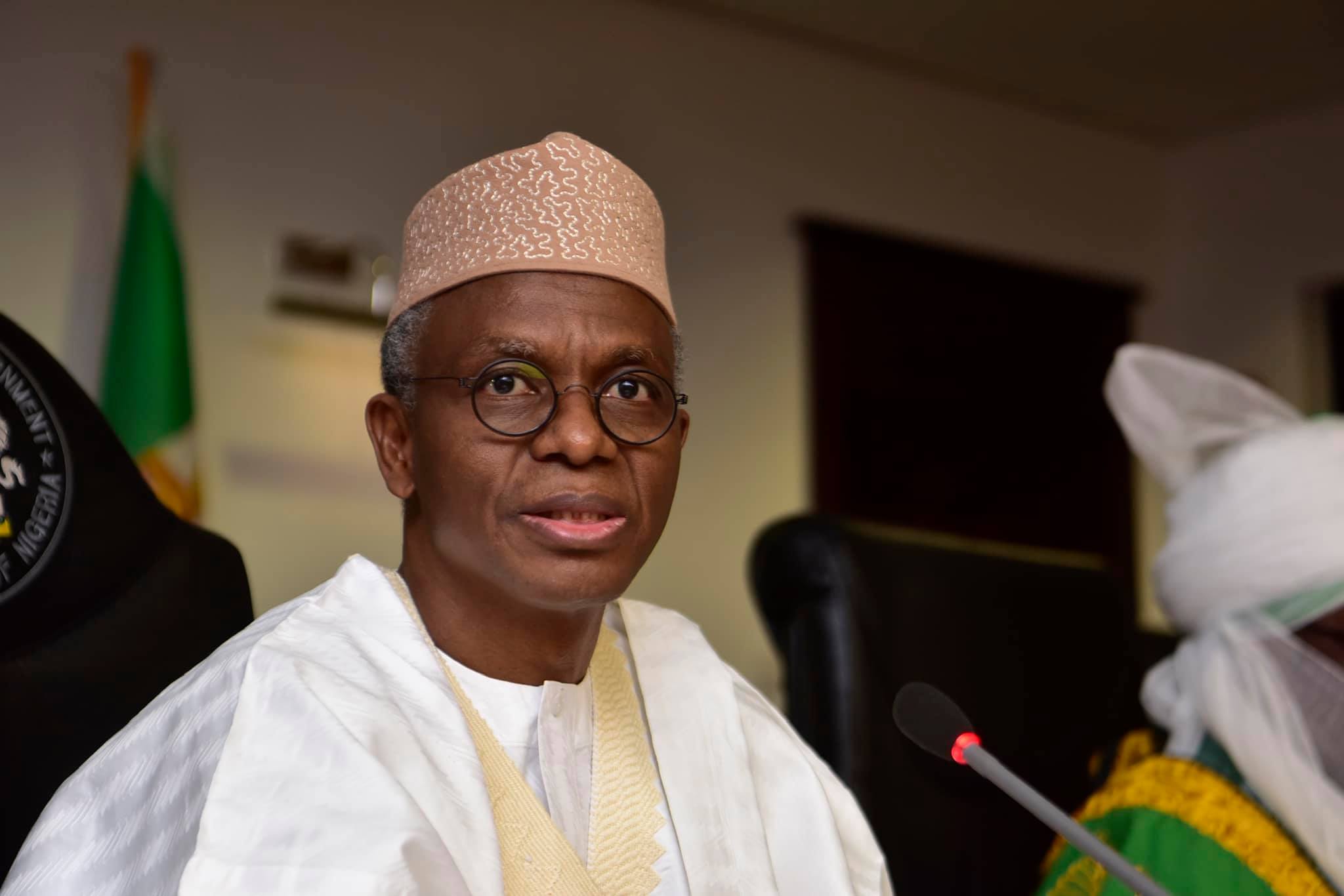
Former Kaduna State Governor, Nasir El-Rufai, has opened up about an alleged health episode he experienced while in the custody of the Economic and Financial Crimes Commission (EFCC), amid ongoing investigations.
PulseNets reported that El-Rufai was earlier arrested this month by the anti-graft agency over allegations bordering on fraud and embezzlement. He was subsequently released after spending several days in detention, before being re-arrested and taken into custody by the Independent Corrupt Practices and Other Related Offences Commission (ICPC), PulseNets learned.
Details of the former governor’s condition were obtained by PulseNets through a statement issued on Tuesday by his media aide, Muyiwa Adekeye. According to the update, El-Rufai allegedly suffered unusual nosebleeds while being held by the EFCC.
The statement read in part:
“Malam El-Rufai voluntarily attended the offices of the EFCC as he had indicated in response to the commission’s invitation. Following interrogation by EFCC officials, he is granted administrative bail with conditions that included having a serving federal permanent secretary as one of the sureties. His lawyers applied for variation of the bail terms. He remained in the EFCC’s custody, a situation that his lawyer, Ubong Akpan, described as unlawful detention without justification.”
PulseNets learnt that the statement also raised concerns regarding access to the former governor during his detention.
Also Read: Alarm as Analyst Alleges Plot to Arrest Atiku, Amaechi, el-Rufai in Crackdown on Opposition
It continued:
“One of his wives was not allowed to deliver his meal directly to him in the evening of 17th February but was asked to pass it to him through one of the commission’s personnel. His lawyers have reported that he suffered an overnight episode of bleeding from his nose.”
The development adds a new dimension to the ongoing legal and political controversy surrounding the former Kaduna State governor, as investigations by Nigeria’s anti-corruption agencies continue.