Gates Foundation Announces $1.4bn Plan to Strengthen Climate-Resilient Farming in Africa and Asia
The Bill & Melinda Gates Foundation unveils a $1.4 billion, four-year commitment to support farmers across sub-Saharan Africa and Asia. The major financing package aims to expand access to technologies that help rural communities survive and adapt to increasingly extreme weather conditions.
PulseNets learnt that the funding will prioritise innovations capable of improving crop yields, strengthening livestock productivity, providing digital advisory tools, and restoring degraded farming landscapes. The announcement arrives just ahead of the COP30 climate conference in Brazil, positioning the initiative as a strategic contribution to global food security discussions.
Focus on smallholder farmers
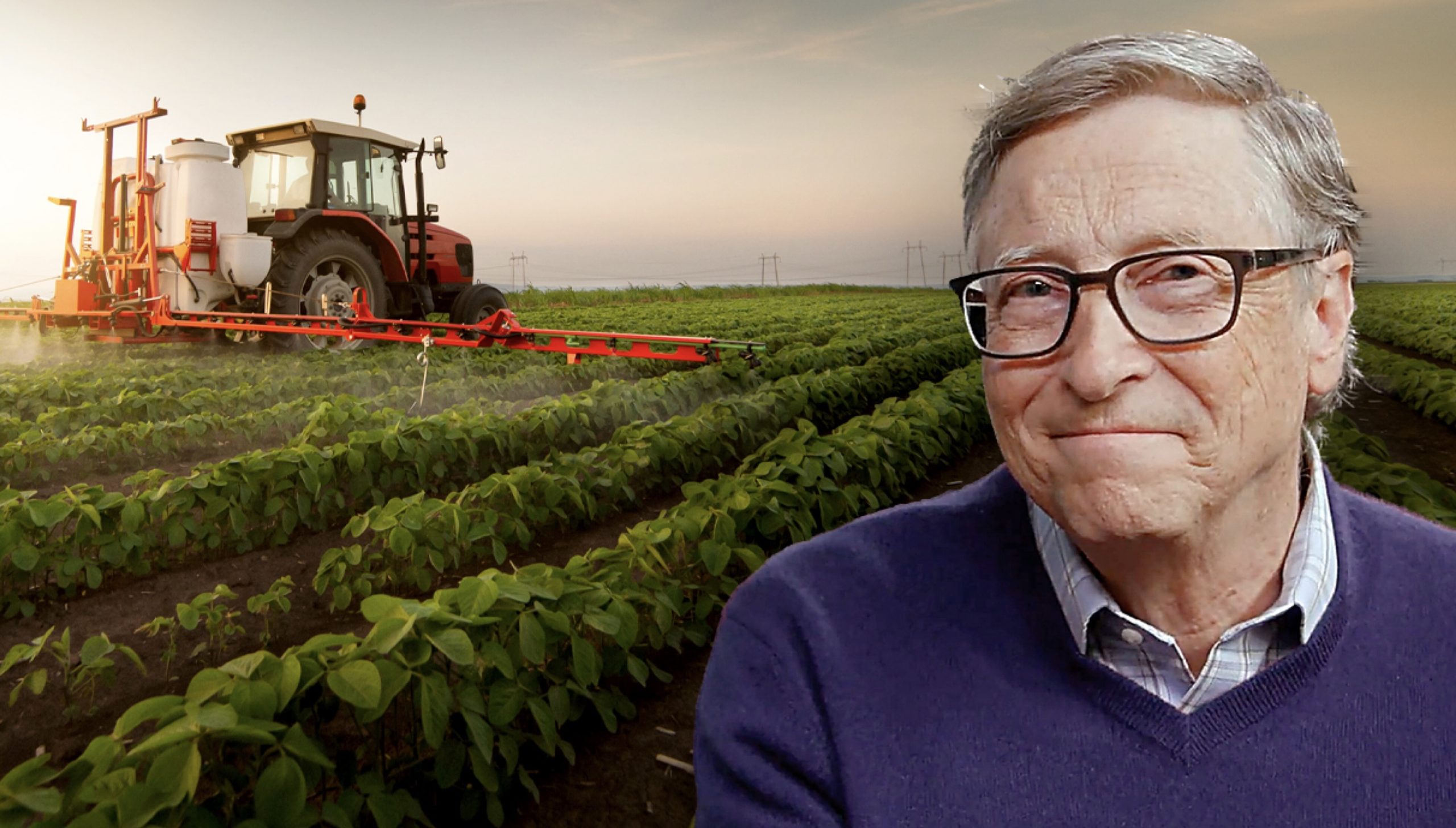
In a statement obtained by PulseNets, Bill Gates highlighted the critical role these farmers play.
“Smallholder farmers are feeding their communities under the toughest conditions imaginable,” he said.
“Investing in their resilience is one of the smartest, most impactful choices we can make for both people and the planet.”
Small family farms currently produce more than one-third of the world’s food supply but remain the most exposed to climate disruptions such as flooding, drought, and heatwaves. Despite their outsized contribution, less than 1 percent of international public climate finance reaches them—a gap the foundation now intends to close.
Documents shared with PulseNets indicate that the initiative reflects the priorities outlined in Gates’ COP30 memo, which advocates targeted, results-driven climate investments rather than what he describes as “doomsday framing.” The foundation maintains that meaningful climate adaptation begins with equipping the farmers who face the harshest realities of environmental change.
Also Read: Gates Foundation Healthcare Development: Bill Gates to visit Nigeria days after Tinubu announces adviser on health
The organisation also emphasises that this investment is part of a longer-term effort to lift millions out of poverty by 2045. Senior officials told PulseNets that the focus remains on practical tools, accessible technologies, and locally relevant solutions that can strengthen food systems across regions hardest hit by climate shocks.