JAMB, WAEC Under Fire as 2025 Examination Glitches Shake Public Confidence
Education stakeholders have strongly condemned what they termed the “regrettable collapse” of credibility in Nigeria’s two biggest external examination bodies — the Joint Admissions and Matriculation Board (JAMB) and the West African Examinations Council (WAEC).
PulseNets learnt that both institutions faced severe setbacks this year after their examinations were marred by technical errors, forcing results to be withdrawn and reissued. The chaos has raised pressing questions about the reliability of Nigeria’s standardised testing systems.
Analysts fear that these recurring disruptions could further erode public trust in the fairness and integrity of academic assessments.
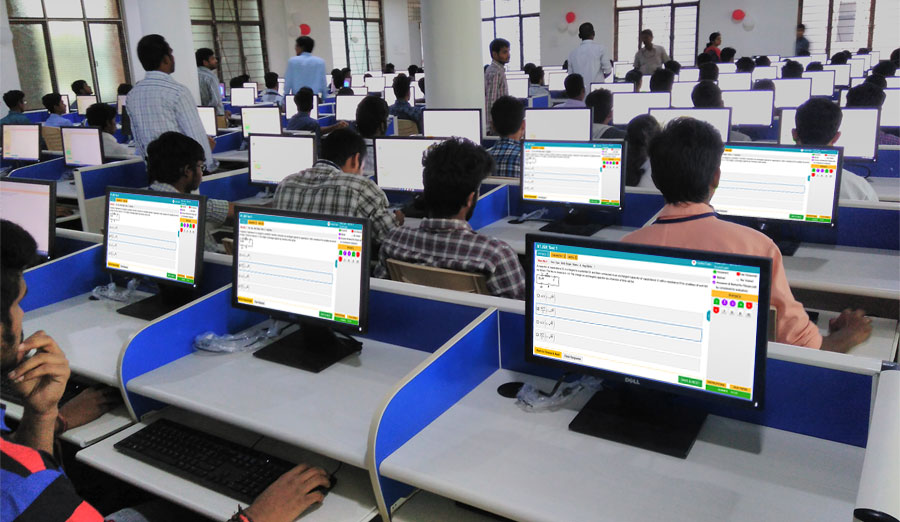
JAMB’s UTME 2025 Crisis: Glitches, Resits, and Outrage
According to details obtained by PulseNets, JAMB was the first to plunge into controversy. Candidates were forced into resits after what the board initially called technical glitches scrambled results and produced mass failures.
Investigations revealed the crisis was caused by an unapplied software patch on servers in Lagos and the South-East, misprocessing responses from an estimated 379,997 candidates.
The Registrar of JAMB, Professor Is-haq Oloyede, told PulseNets that the scale of disruption was massive:
“In Lagos, 65 centres with over 206,000 candidates were affected, while in the Owerri zone, covering South-East states, 92 centres involving 173,387 candidates were impacted. The error was detected on the second day of the UTME, April 25, after we noticed omissions in the LAG category.”
Public outrage swiftly followed, with parents and educationists accusing the board of incompetence. Some even alleged regional bias, but Oloyede dismissed such speculations, insisting there was no conspiracy against any part of the country.
However, the House of Representatives Committee on Basic Education contradicted JAMB. Its chairman, Hon. Oboku Oforji, told reporters at the National Assembly — as obtained by PulseNets — that preliminary findings suggested the failure stemmed from human error, not technology.
WAEC 2025 Results: Serialisation Feature Backfires
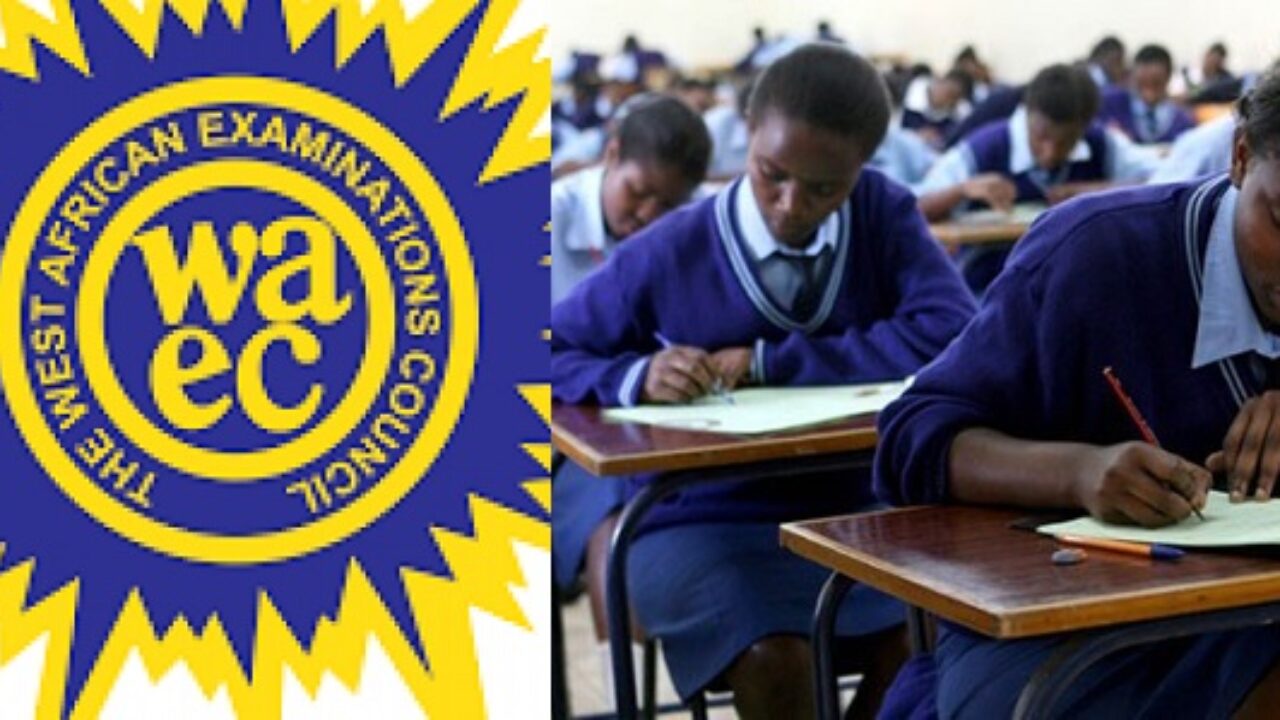
Barely three months later, WAEC was engulfed in its own storm. On August 4, the Council released the 2025 WASSCE results, announcing widespread failure in English Language. Days later, it admitted technical bugs had distorted the outcome.
The glitches were traced to WAEC’s new paper serialisation security measure introduced in Mathematics, English, Biology, and Economics. The Head of Public Affairs, Moyosola Adesina, in a statement obtained by PulseNets, said:
“During our internal post-release audit, we uncovered technical bugs in the results system linked to the paper serialisation. This forced us to suspend the result checker portal and reissue corrected results.”
The Federal Ministry of Education quickly intervened, commending WAEC for acting with transparency and speed. Its spokesperson, Folasade Boriowo, noted:
“The glitch has been rectified and updated results will be accessible within 24 hours. This aligns with the Honourable Minister’s broader reforms which will ensure WAEC and NECO fully embrace CBT beginning November 2026, to enhance credibility and curb malpractice.”
Parents and Students Speak Out
Despite the assurances, reactions from parents and students captured by PulseNets reflected anger and disappointment.
A parent, Mr. Isaiah Chukwu, fumed:
“This idea of reviewing results to favour some candidates is nonsense. If a student fails, let them rewrite. Changing results after complaints of failure is the dumbest move. It only shows government complicity in the rot of education.”
Mrs. Margaret Ameh, another parent, echoed similar frustration, urging focus on strengthening schools rather than tinkering with results:
“Exams are meant to test preparation. If candidates fail, they should try again. What we need are stronger schools, qualified teachers, and a better system — not patchwork reviews.”
A student who spoke anonymously to PulseNets narrated his own shock:
“The first time I checked, I had D7 in English. After the so-called correction, it became B3. While I’m happy, WAEC must realise this damages their credibility. If this continues, our certificates will lose international respect.”
Experts Call for Overhaul
Technology analyst, Echezona Chinedu, told PulseNets that without urgent systemic reforms, Nigerian students risk being judged by faulty systems rather than their true ability.
“These bodies are gatekeepers of our children’s futures. They need independent audits, stronger quality assurance, and transparent systems. If they mishandle the upcoming CBT rollout, public trust will collapse entirely.”
Also Read: JAMB Unveils ‘Cut-off Marks’ for Universities, Polytechnics, Colleges of Education
The twin crises of JAMB UTME 2025 and WAEC WASSCE 2025 have laid bare deep cracks in Nigeria’s examination system. Stakeholders insist that only sweeping reforms — from advanced CBT adoption to tighter accountability — can restore faith in these institutions.
For now, students, parents, and teachers are left wondering if Nigeria’s most important exams are truly measuring merit, or if the future of millions is at the mercy of software errors and human lapses.
FAQs
Q1: Why did JAMB reschedule some exams in 2025?
Because a software patch was not applied on certain servers in Lagos and the South-East, leading to misprocessed results for nearly 380,000 candidates.
Q2: What was the cause of WAEC’s result glitches?
WAEC’s new paper serialisation feature, meant to prevent malpractice, triggered bugs that distorted results in key subjects.
Q3: Did the Federal Government respond?
Yes. The Ministry of Education commended WAEC’s transparency and announced reforms, including phased adoption of CBT starting 2026.
Q4: What are stakeholders demanding?
Stakeholders want independent audits, robust quality assurance, and accountability to prevent further crises in Nigeria’s external examinations.
Q5: What is the risk if issues persist?
The credibility of Nigerian certificates both at home and abroad may be severely undermined, putting students at a disadvantage.