Peter Obi Cannot Defeat Tinubu Even in Free and Fair Election — GehGeh
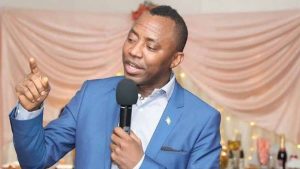
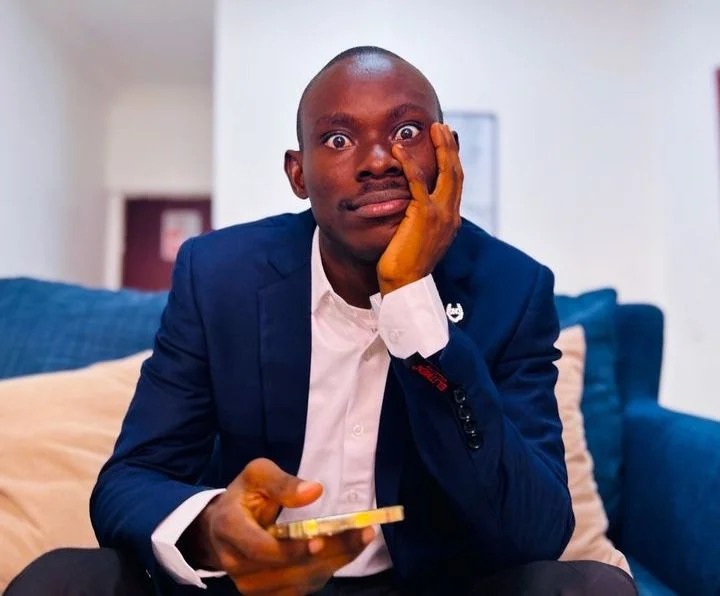
Social media commentator and financial coach Emmanuel Obruste, widely known online as GehGeh, has ignited fresh political debate after asserting that Peter Obi cannot unseat Bola Tinubu in the 2027 presidential election — even if the contest is conducted under completely free and fair conditions.
In a video released on February 23, 2026, and obtained by PulseNets, GehGeh laid out four principal reasons for his position. Rather than framing his remarks as a dismissal of the former Labour Party flagbearer, he presented them as strategic counsel. While acknowledging Obi’s vision and policy-driven appeal, he argued that those strengths may not be sufficient to overcome what he described as the structural dominance of the incumbent.
GehGeh’s Four Core Arguments
1. Weak political structure
GehGeh maintained that Obi lacks the entrenched political machinery required to win a nationwide election in Nigeria. According to him, the ruling All Progressives Congress (APC) retains expansive grassroots networks, established mobilization systems, and deep institutional presence across states.
2. Ambiguity over party platform
PulseNets learnt that GehGeh questioned the clarity surrounding Obi’s current political alignment. With ongoing coalition rumours, opposition realignments, and speculation about possible affiliations with platforms such as the African Democratic Congress (ADC), he argued that many Nigerians remain uncertain about Obi’s electoral vehicle heading into 2027.
3. Overreliance on digital momentum
He described Obi as more of a “social media president”, suggesting that his strongest support base thrives online but struggles to translate into sustained offline mobilization and decisive voter turnout during elections.
4. Reduced momentum since 2023
GehGeh further contended that the enthusiasm that defined Obi’s 2023 campaign has weakened. He implied that replicating — let alone surpassing — that performance would require significantly deeper groundwork.
PulseNets reported that GehGeh concluded by advising Obi to prioritise structural consolidation rather than depending on public sentiment or residual campaign energy.
The video quickly gained traction across X (formerly Twitter), TikTok, Instagram, and other digital platforms, generating thousands of views, reposts, and sharply divided reactions.
Supporters within the Obidient movement strongly rejected the commentary. Several individuals who spoke to PulseNets argued that Tinubu’s 2023 victory was clouded by alleged irregularities and maintained that Obi would prevail decisively in any transparent and tamper-free election. They cited economic hardship, rising living costs, and public dissatisfaction under the current administration as potential game changers ahead of 2027.
Some analysts also told PulseNets that ongoing coalition discussions — including possible alliances involving figures such as Atiku Abubakar and Nasir El-Rufai — could significantly reshape opposition dynamics if successfully harmonised.
Conversely, a number of neutral observers and pro-Tinubu voices echoed GehGeh’s position. They stressed that incumbency advantage, financial capacity, regional voting blocs, and entrenched party infrastructure often outweigh social media popularity or personal charisma in Nigerian presidential politics.
Also Read: Peter Obi Demands Urgent Electoral Reforms, Insists Nigeria Must Become True Giant of Africa
The debate unfolds as preparations for the 2027 general elections gradually intensify. Obi has publicly reaffirmed his intention to contest again, potentially under a broader opposition coalition, while conversations around electoral reform, zoning arrangements, and economic stabilisation continue nationwide.
As reactions continue to mount, GehGeh’s remarks highlight the deepening political polarisation ahead of the next presidential race. The central question remains whether digital enthusiasm can evolve into enduring institutional strength — or whether established political structure will once again determine the outcome.