RMAFC Commences Review of Nigeria’s Revenue Allocation Formula to Ensure Fairness and Equity
The Revenue Mobilisation Allocation and Fiscal Commission (RMAFC) has officially commenced the long-awaited review of the revenue allocation formula, aiming to deliver a more fair, just, and equitable system of revenue sharing across Nigeria’s three tiers of government, PulseNets learnt on Monday in Abuja.
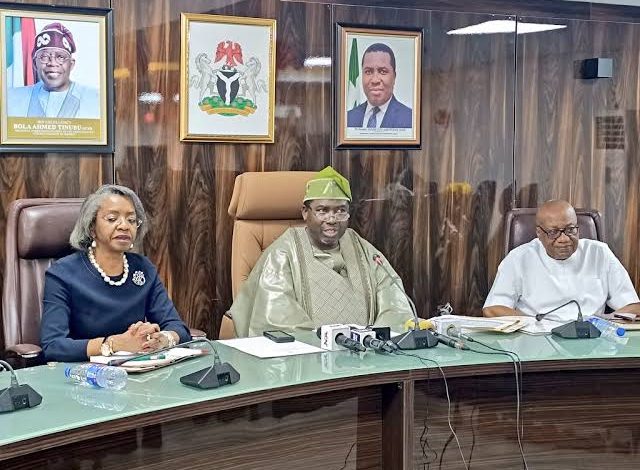
Chairman of the Commission, Mohammed Bello, announced the development at a press conference, stressing that the review is both a constitutional duty and a pressing necessity given the country’s evolving socio-economic and political realities.
Mr. Bello told PulseNets that the overarching goal is to produce a revenue-sharing framework that reflects the “current responsibilities, needs and capacities of the federal, state, and local governments, in line with constitutional provisions.” He explained that the formula must also align with today’s socio-economic challenges and developmental demands.
Formula Last Reviewed Over Three Decades Ago
PulseNets reports that Nigeria’s revenue allocation formula was last comprehensively reviewed in 1992, with only executive adjustments made since 2002. A full-scale overhaul has not been undertaken until now.
“As you may be aware, Paragraph 32(b), Part I of the Third Schedule of the 1999 Constitution of the country (as amended) mandates the commission to ‘review, from time to time, the formulae and principles in operation to ensure conformity with changing realities’,” Mr Bello said.
He emphasised that Nigeria has since undergone profound demographic, economic and constitutional transformations, making the review both unavoidable and urgent.
Constitutional Amendments Have Shifted Responsibilities
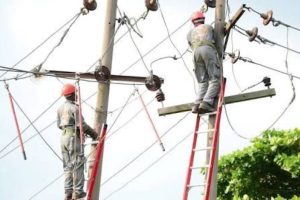
The Commission noted that the 9th National Assembly’s constitutional amendments devolved certain functions from the Exclusive Legislative List to the Concurrent List—covering electricity transmission and distribution, railways, as well as prisons and correctional services.
According to Mr Bello, these changes have imposed fresh financial and administrative burdens on subnational governments, reinforcing the need to reassess the structure of fiscal federalism.
“This situation makes it essential to re-evaluate how resources are shared so that states can drive their own economic growth, reduce overdependence on the centre, and ensure equity, responsiveness, and sustainability,” he told PulseNets.
A Data-Driven and Inclusive Review
Mr Bello assured that the Commission would adopt a data-driven, transparent, and inclusive approach, carefully evaluating service delivery obligations, fiscal performance, and developmental disparities among states.
He said, “Let me state clearly that this review will be inclusive, data-driven and transparent. It will involve broad-based consultations with critical stakeholders, including the presidency, national assembly, and state governors, as well as the Association of Local Government of Nigeria (ALGON), the judiciary, MDAs, civil society organisations, traditional rulers, the organised private sector and development partners. The commission is also committed to integrating cutting-edge research, empirical data and international best practices in its analysis.”
Fresh Review After 2022 Report Jettisoned
Chairman of the formula committee, Kabir Mashi, also spoke to PulseNets, disclosing that the Commission had earlier submitted a report on the Vertical Revenue Allocation Formula in April 2022.
However, he reported that the document was discarded following the 2023 constitutional amendment, which altered the distribution of responsibilities among the tiers of government.
“The tiers of government which are under the one and two schedules of the 1999 Constitution (as amended). Hence, the need for a fresh review of the revenue allocation formula in its entirety to reflect the current socio-economic challenges in the country as well as the new economic policies of the current administration.
“Today’s gathering marks a pivotal step in the evolution of our fiscal federalism and intergovernmental fiscal relations. It provides an opportunity for us to intimate you of our activities so as to understand the approach and offer your perspectives on this vital matter,” Mr Mashi said.
Also Read: Reps want RMAFC to stop allocating money to LGs run by caretaker committees
Mr Mashi further told PulseNets that the committee’s report is expected to be completed and submitted by December 2025. He stressed that the process would remain transparent, evidence-based, and constitutionally compliant, ensuring that the outcome reflects both Nigeria’s realities and global best practices.