Senate Clears $6 Billion External Loan Request for President Tinubu Within Hours
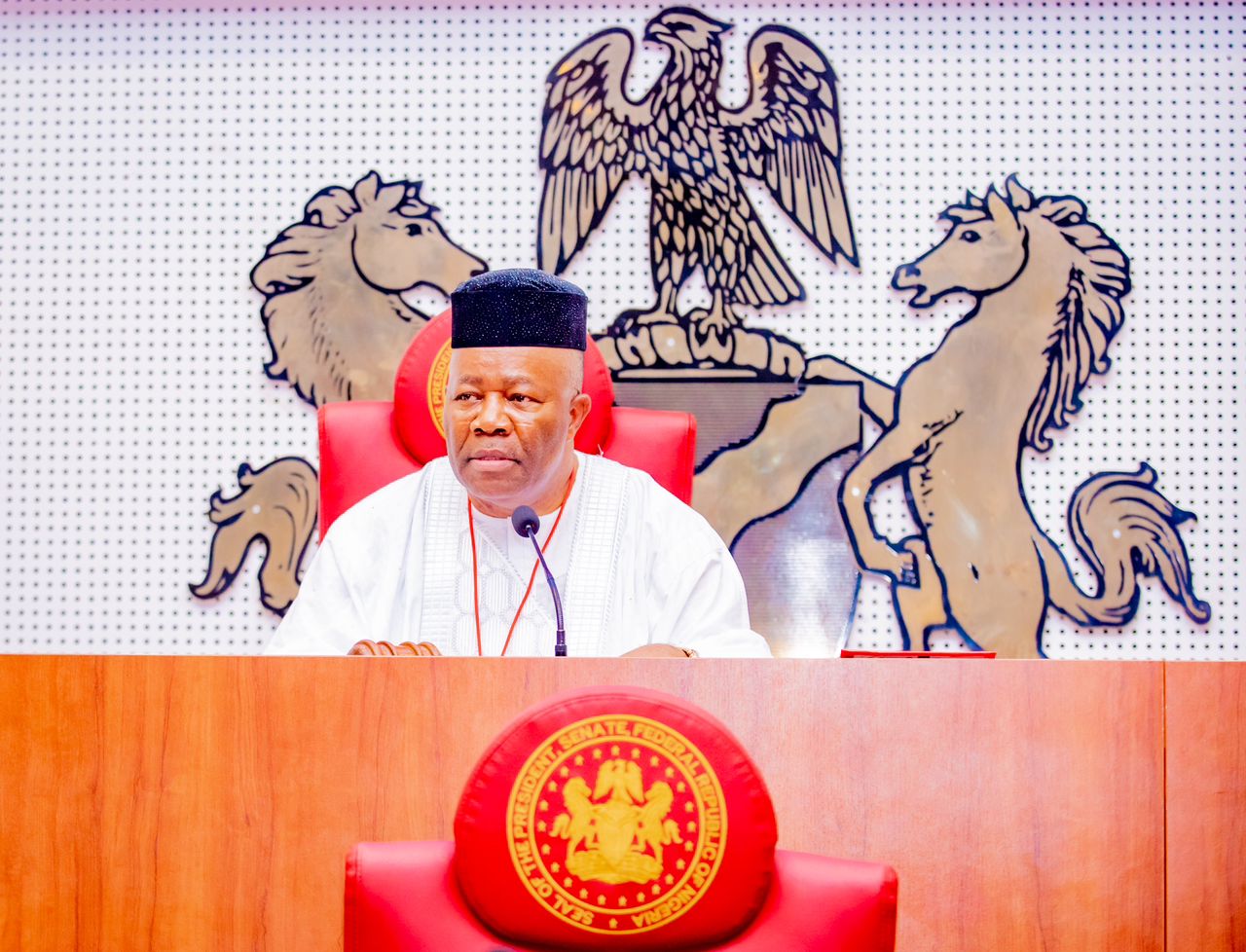
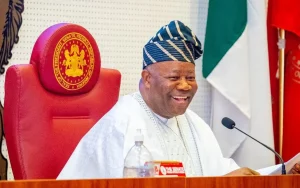
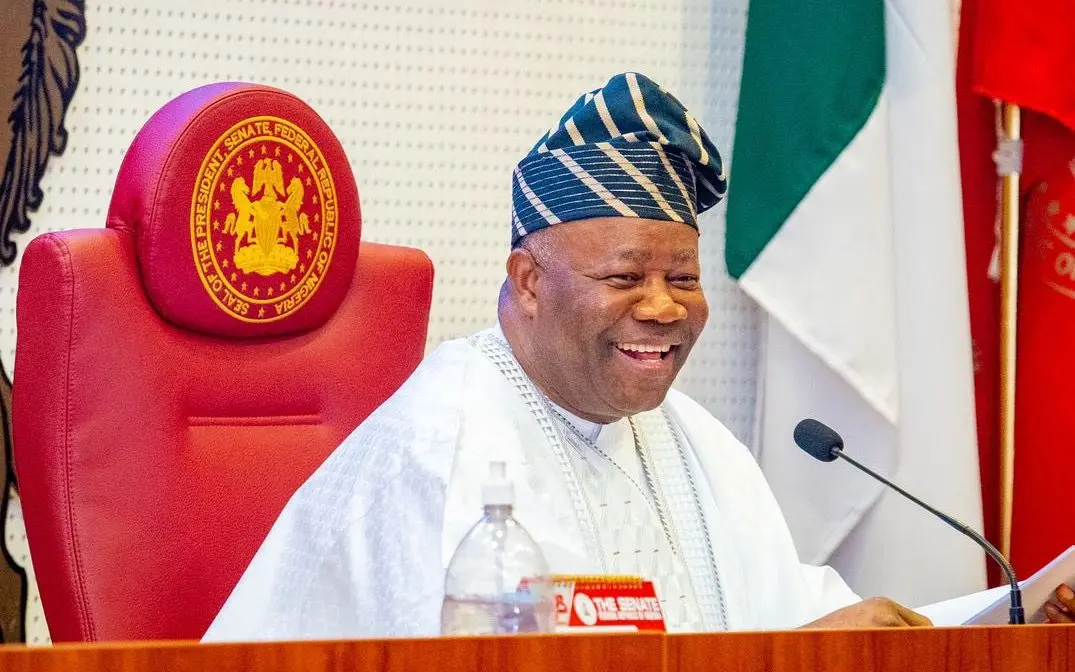
Abuja – March 25, 2026 – The Nigerian Senate has approved President Bola Ahmed Tinubu’s request for $6 billion in external loans in under four hours, following the reading of the correspondence during Tuesday’s plenary.
The approval followed the chamber’s consideration and adoption of the report submitted by the Committee on Local and Foreign Debts, chaired by Aliyu Wamakko, PulseNets reported.
The loan request was conveyed through two separate letters addressed to Senate President Godswill Akpabio. In the first communication, the President sought legislative backing for a $5 billion Structured Total Return Swap (TRS) external financing arrangement with First Abu Dhabi Bank in the United Arab Emirates.
In the second letter, PulseNets learned that the President requested approval for a $1 billion facility from UK Export Finance, structured by Citibank’s London branch. According to the details obtained, the funds are designated for the reconstruction and rehabilitation of the Lagos Port Complex (Apapa Quays) and Tin Can Island Port.
The Senate’s rapid approval has triggered reactions from critics, who argue that the Red Chamber continues to function as a rubber stamp for executive requests, particularly on high-stakes financial decisions such as external borrowing.
Details of the Loans
-
$5 billion Structured Total Return Swap (TRS) with First Abu Dhabi Bank (UAE): A sophisticated financial instrument typically deployed for liquidity management and portfolio optimization.
-
$1 billion UK Export Finance Facility via Citibank: Specifically targeted at upgrading Nigeria’s major Lagos ports, long affected by congestion, aging infrastructure, and operational inefficiencies.
This latest approval places Nigeria’s external debt profile under renewed scrutiny, as the country contends with mounting debt obligations, persistent inflationary pressures, and continued weakness in the naira.
The speed of the approval process—completed within hours of the request being presented—has raised concerns among observers regarding the robustness of legislative scrutiny over significant financial commitments that will impact future generations.
As of press time, PulseNets learnt that the executive arm has not released a comprehensive breakdown of the loan terms, including interest rates, repayment timelines, or associated conditions.
Also Read: Biobarakuma Slams Senate, Tinubu Govt Over Rejection of Mandatory Electronic Transmission
The Senate’s decision also comes shortly after similar borrowing approvals, intensifying debate over the National Assembly’s effectiveness as an independent oversight body on executive fiscal actions.
Economic analysts, civil society organisations, and opposition voices are expected to weigh in strongly, as concerns deepen over Nigeria’s rising debt exposure and the sustainability of continued external borrowing amid constrained revenues and currency volatility.