Uganda Election 2026: Museveni Wins Seventh Term as Bobi Wine Rejects Results
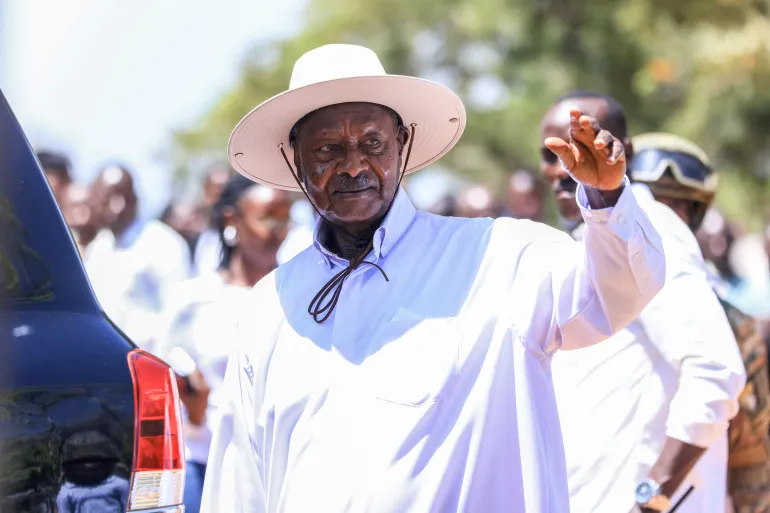
Uganda’s Electoral Commission has formally declared President Yoweri Kaguta Museveni winner of the 2026 presidential election, confirming that the veteran leader has secured a seventh term in office, PulseNets learned.
Results announced in Kampala show that Museveni polled approximately 71.6 per cent of the total votes cast, defeating his main rival, opposition figure Robert Kyagulanyi Ssentamu, widely known as Bobi Wine, who secured about 24.7 per cent. The remaining votes were split among other contestants, according to figures obtained by PulseNets from election officials.
The presidential election was conducted on January 15, 2026, under heavy security deployment and amid a nationwide internet shutdown. The process drew sharp criticism from opposition parties and human rights organisations, who questioned the overall transparency of the vote.
Official Results Breakdown
-
Yoweri Museveni (NRM) – ~71.6%
-
Bobi Wine (NUP) – ~24.7%
-
Other candidates – Shared the remaining percentage
Museveni, who first assumed office in 1986, is now poised to extend his rule into a fifth decade, reinforcing his position as one of Africa’s longest-serving presidents, PulseNets reported.
Opposition Dismisses Outcome
Bobi Wine has openly rejected the declared results, alleging widespread irregularities during the electoral process. He accused authorities of voter intimidation, ballot manipulation, and misuse of state institutions to tilt the contest in favour of the incumbent.
“This election was neither free nor fair. What we witnessed was systematic intimidation of voters and the abuse of state power to silence the will of the people,” Bobi Wine told PulseNets, adding that opposition supporters were harassed both before and after election day.
Ugandan government officials have dismissed these claims, maintaining that the election was conducted in accordance with the country’s legal and constitutional framework.
Internet Blackout and Security Measures
Ahead of the polls, the government enforced a nationwide shutdown of internet and social media platforms, citing national security concerns. However, critics argued that the blackout curtailed transparency and undermined citizens’ ability to monitor the election in real time.
PulseNets learnt that election day itself was marked by late openings at some polling units, a strong presence of security personnel, and reports of isolated violent incidents in parts of the country.
Global Reactions
International observers and rights groups have raised concerns about the political climate surrounding the Uganda 2026 election. In separate statements, several organisations pointed to restrictions on civil liberties and the internet shutdown, urging Ugandan authorities to pursue electoral reforms and uphold democratic standards.
Also Read: Uganda Elections 2026: Goodluck Jonathan Arrives in Kampala to Lead AU-COMESA-IGAD Observation Mission
With Museveni’s victory now confirmed, political attention is shifting to several key issues, including:
-
Potential legal challenges from the opposition
-
Diplomatic reactions from the international community
-
Uganda’s political and governance trajectory over the next five years
Uganda has yet to experience a peaceful transfer of presidential power since independence, a historical reality that continues to fuel debate over democracy, governance, and political succession in the East African nation, PulseNets observed.