United States Threatens Sanctions on Northern Nigerian Officials Over Blasphemy Law Enforcement
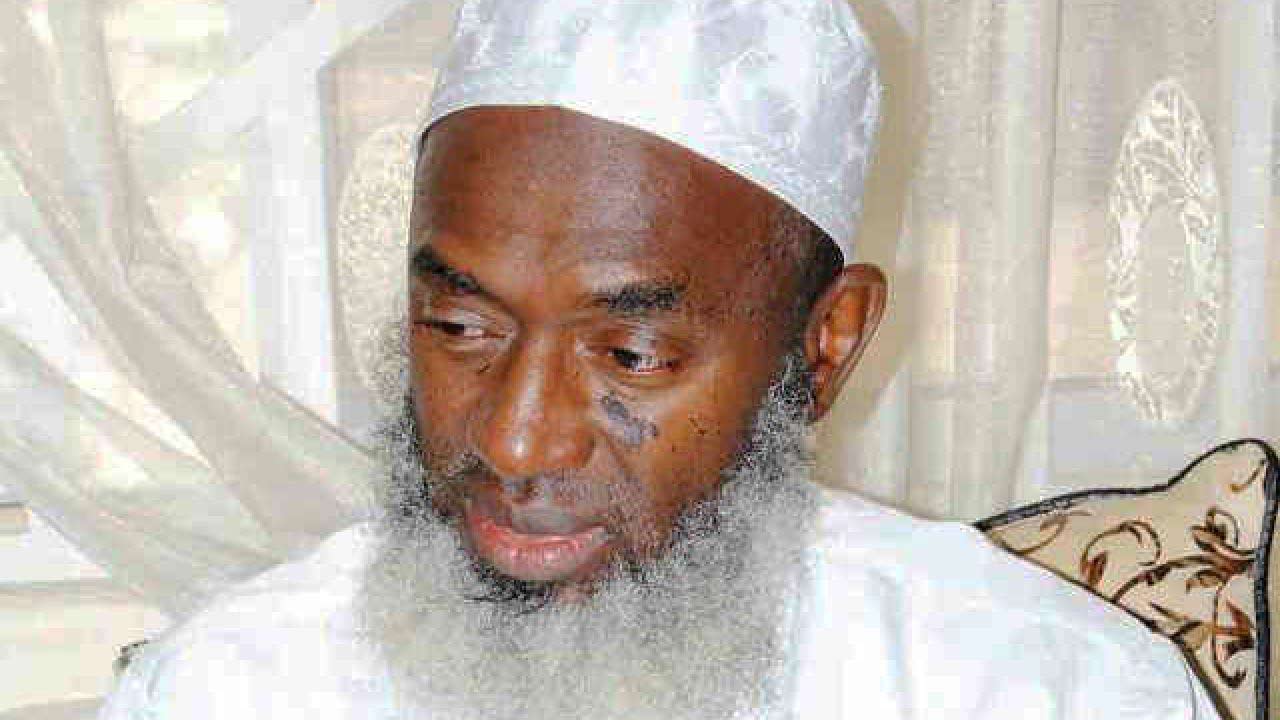
The United States has signaled possible sanctions against certain Nigerian northern governors, judges, traditional leaders, and Islamic cleric Sheikh Ahmad Gumi over allegations of supporting blasphemy laws and allowing religiously motivated violence to persist.
PulseNets learnt that a bill currently before the US Congress aims to penalize Nigerian officials accused of “promoting, enacting, or maintaining blasphemy laws” or “tolerating violence by non-state actors invoking religious justification.”
Under the proposed legislation, the US Secretary of State would be required to submit a list within 90 days of the bill’s passage, identifying officials who could face visa bans, asset freezes, and financial sanctions under Executive Order 13818, part of the Global Magnitsky Human Rights Accountability framework.
The law, PulseNets learnt, would also target judges, magistrates, prison officials, and other law enforcement authorities who have enforced blasphemy laws, including through prosecution, conviction, imprisonment, or other deprivation of liberty.
Reporting, as defined in the bill, would cover the 10 years preceding its enactment and continue annually thereafter, ensuring both historical and ongoing violations are monitored.
The bill specifically mentions 12 northern states — Zamfara, Kano, Sokoto, Katsina, Bauchi, Borno, Jigawa, Kebbi, Yobe, Kaduna, Niger, and Gombe — where Sharia law has been extended to criminal and public morality matters since 1999. According to the bill, the application of Sharia-based blasphemy laws is discriminatory, particularly against Christians and minority groups, and allegedly encouraged “a culture of impunity” regarding mob justice and religious intolerance.
Enactment of Sharia Law in Northern Nigeria
Sharia, rooted in Islamic jurisprudence, has traditionally guided personal, moral, and communal conduct in northern Nigeria. PulseNets obtained records showing that the turning point occurred between 1999 and 2000, following Nigeria’s return to civilian rule. Zamfara State, under Governor Ahmad Sani Yerima, became the first to expand Sharia to include criminal law and public morality, prompting 11 other states to adopt similar codes within two years. Parallel Sharia courts were established alongside secular courts.
Background on Blasphemy Controversies
The US’s concern follows multiple blasphemy-related cases and mob killings across northern Nigeria. PulseNets learnt that high-profile incidents include Mubarak Bala, Yahaya Sharif, and Sheikh Abduljabbar Kabara in Kano; Deborah Samuel and Usman Buda in Sokoto; Roda Jatau and Yunusa, a water seller, in Bauchi; Christina Oluwatoyin in Gombe; Sadik Mani in Katsina; and Amaye, a food vendor, in Niger State.
Some victims have died, while others remain imprisoned after appealing death sentences. Human-rights organizations such as Amnesty International and Humanists International have repeatedly criticized these cases, calling on Nigeria to abolish death penalties for blasphemy and strengthen protections for freedom of belief and expression.
Sheikh Gumi Responds from Turkey
Sheikh Ahmad Gumi, reportedly among those potentially affected by the sanctions, spoke to PulseNets from Turkey, appearing untroubled by the threat.
“Well, I didn’t even know they mentioned my name. I haven’t seen it in the papers, and no one communicated it to me. But it’s not surprising; anyone who speaks against cutting ties with America, of course, they wouldn’t like him. May God protect us,” Gumi told PulseNets.
In a live Facebook video on Sunday, the cleric urged unity and peaceful coexistence between Muslims and Christians, dismissing the sanctions threat as “a distraction.”
“Let us live in peace. If we live peacefully, the evil plans of the West will not succeed against us,” he said. “Do not worry about their noise. Allah will not grant them victory. We must hold firmly to our religion and fear Allah. It is not by killing Christians or insulting them, they are our partners in nation-building.”
Filming from Sofia, Turkey’s historic Haifa Mosque, Gumi highlighted how mutual respect fosters harmony. “This mosque used to be a church,” he explained, “but today it stands as a symbol of peace and coexistence, not war. That is what good relationship brings.”
Also Read: China Tells United States to Stay Out of Nigeria’s Affairs After Trump’s ‘Guns-a-Blazing’ Threat
PulseNets learnt that none of the 12 states mentioned have issued an official response, and attempts to contact gubernatorial spokesmen were unsuccessful.
The bill still requires full congressional approval and the US President’s assent before sanctions could take effect. If enacted, it would be the first time Washington formally penalizes Nigerian officials over religious freedom issues.