Petrol Prices Surge as Dangote Refinery-PENGASSAN Face-Off Deepens
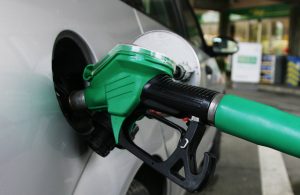
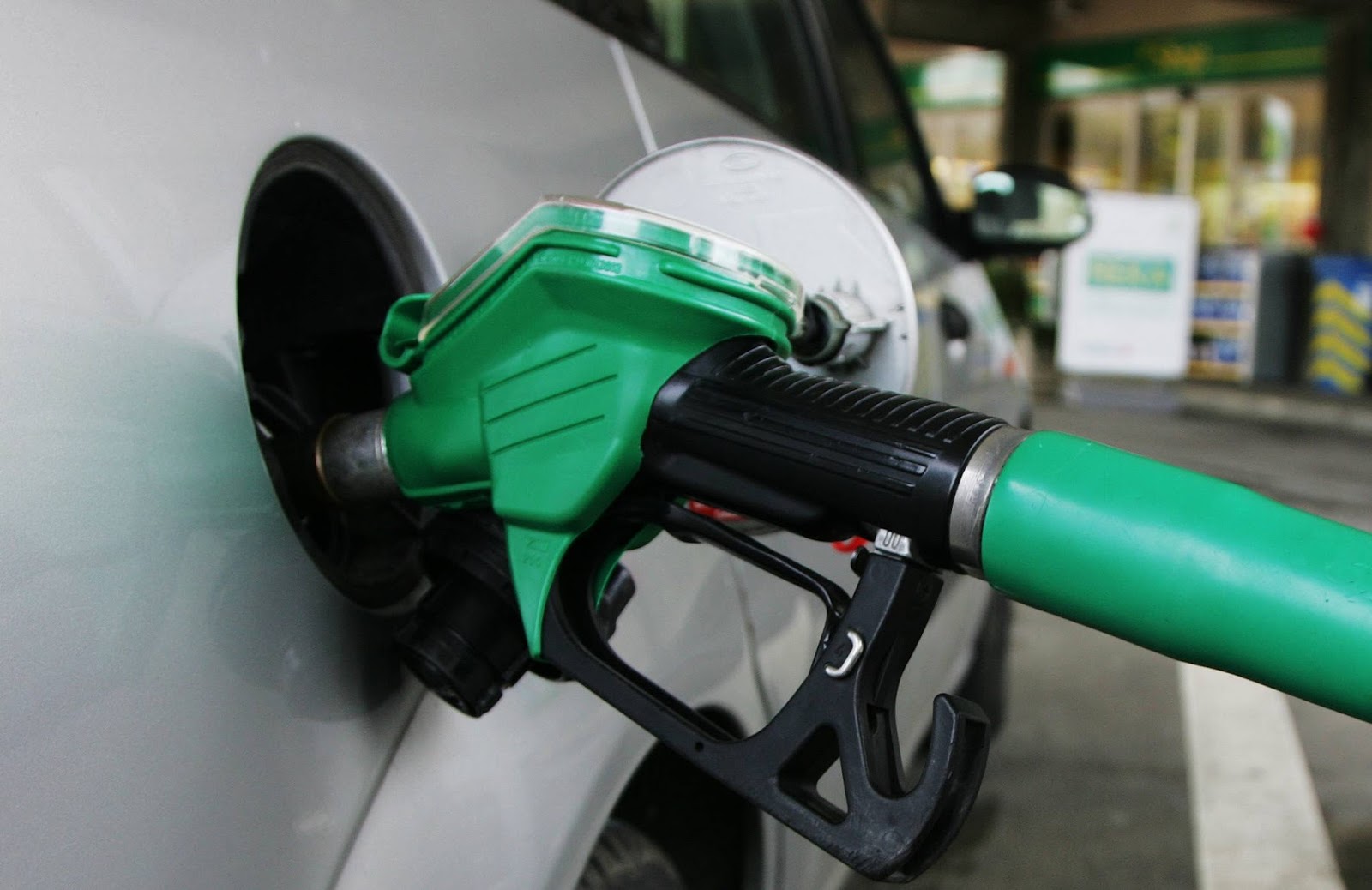
Petrol Price — Nigerians are now compelled to pay more for premium motor spirit, widely known as petrol, as the standoff between Dangote Refinery and the Petroleum and Natural Gas Senior Staff Association of Nigeria, PENGASSAN, drags on without resolution.
PulseNets learnt that the crucial closed-door meeting held on Monday between the Federal Government, Dangote Refinery, and PENGASSAN ended in a complete deadlock.
Confirming the outcome to PulseNets in the early hours of Tuesday, PENGASSAN President Festus Osifo simply noted that the meeting convened by the Federal Government ended in “deadlock.”
A PulseNets correspondent who moved across Abuja on Monday obtained information that fuel prices have already been adjusted upwards in several filling stations. At Gwarimpa, Ranoil now sells petrol at N910 per litre, Empire Filling Station has moved its price to N920, while Ranoil on the Kubwa Expressway has raised it to N910. Just days ago, these stations sold at N890 and N910.
The sharp increase coincided with an official circular from PENGASSAN Secretary Lumumba Ighotemu on Monday night directing all members to continue the nationwide strike against Dangote Refinery over the mass sack of Nigerian workers.
The statement obtained by PulseNets read, “All comrades are hereby directed to sustain the industrial action until new instructions are issued. Only updates shared through our official platforms should be regarded as genuine. Any further guidance must be sought from the higher organs of the Association.”
Labour unrest worsens
The union insists that Dangote Refinery must recall workers allegedly dismissed for their membership in PENGASSAN. Although the refinery has not disclosed the number of staff affected, it has equally not denied the sackings.
Angered by what they described as the refinery’s arrogance, the Nigeria Labour Congress on Monday joined the strike action, following the Trade Union Congress which declared solidarity on Sunday.
Meanwhile, the Ministry of Labour and Employment has yet to release details of its intervention. During the Monday parley, Labour Minister Muhammad Dingyadi stressed that the conflict “must be resolved in the interest of Nigerians, the union, and the employers.”
However, attempts by PulseNets to obtain further clarifications from the ministry’s spokesperson, Patience Onuobia, did not yield results as of the time of filing this report.
Fuel price hike and panic buying
Independent Petroleum Marketers Association of Nigeria (IPMAN) President Abubakar Maigandi told PulseNets that the sudden increase in pump price was directly linked to the ongoing refinery-union feud.
“The anxiety created by the face-off between Dangote Refinery and PENGASSAN is behind the hike. Nigerians are panic buying and this is shooting up pump prices. We expect the Federal Government to act fast to avert deeper hardship.” Maigandi explained.
Strike grounds major oil regulators
Apart from crippling Dangote Refinery, PulseNets learnt that PENGASSAN also grounded operations at the Abuja offices of the Nigerian National Petroleum Company Limited (NNPCL), the Nigerian Upstream Petroleum Regulatory Commission (NUPRC), and the Nigerian Midstream and Downstream Petroleum Regulatory Authority (NMDPRA).
Court ruling in refinery’s favour
Justice Emmanuel Danjuma Subilim of the National Industrial Court in Abuja has issued an interim injunction in favour of Dangote Refinery, restraining PENGASSAN from continuing its strike.
Also Read: Dangote Refinery Cuts Petrol Price to N890/Litre
Despite the ruling, the union maintains it has not been officially served with any court order and vowed to sustain its action.
Over the weekend, Dangote Refinery condemned the union’s directives, branding them as “bully tactics,” while PENGASSAN has firmly insisted it is acting “within the ambit of its rights.”
As Nigerians battle soaring fuel costs and uncertainty, all eyes remain on the Federal Government to broker a truce between the two powerful forces shaping the future of the country’s oil sector.