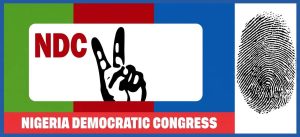
Dr. Ardo, who spoke to PulseNets, explained that the suit directly challenges the legitimacy of the process through which INEC granted recognition to the NDC as a political party. He argued that certain established guidelines were breached, prompting the move to seek judicial intervention.
He further noted that the objective of the legal action is to ensure strict adherence to due process in the registration of political parties across Nigeria. According to him, the judiciary remains the most appropriate channel for resolving disputes of this nature within a constitutional democracy.
Ardo expressed confidence in the judicial outcome, stating that he believes the court will nullify the registration of the NDC after a thorough evaluation of the evidence presented before it.
He maintained that the action is not politically driven but is instead anchored on the need to uphold transparency, accountability, and fairness within Nigeria’s electoral system. He stressed that compliance with laid-down rules is fundamental to preserving the integrity of democratic institutions.
The Independent National Electoral Commission, which is constitutionally mandated to register political parties in Nigeria, is expected to operate strictly within the framework of the law and regulatory provisions guiding political activities.
However, Ardo alleged that the registration of the NDC failed to fully satisfy these requirements. While he did not disclose extensive specifics of the alleged breaches, he indicated that such issues form the core arguments currently under judicial scrutiny.
He added that the judiciary holds the ultimate authority in interpreting the law in matters of this nature, emphasizing that all parties involved would be bound by the court’s final decision.
The development comes at a time when conversations around the regulation and oversight of political parties in Nigeria continue to gain traction. Analysts and observers have consistently raised concerns regarding compliance with registration criteria and the enforcement of electoral laws.
Legal challenges to party registration are not new in Nigeria’s democratic landscape, often revolving around issues such as documentation, membership thresholds, and constitutional compliance.
Ardo reiterated that his primary intention is to enforce accountability within the system, noting that both political actors and institutions must function within the confines of the law to sustain public trust.
He also pointed out that the ongoing court process will provide an opportunity for all sides to present their arguments, ensuring a fair and balanced determination in line with legal standards.
As of the time of this report, INEC has not issued any official response to the allegations raised. The commission is, however, expected to defend its position if the proceedings require it.
The eventual ruling could carry significant implications for the NDC and its political operations. A judgment in favor of the claimant may lead to the revocation of the party’s registration.
Ardo concluded by reaffirming his confidence in the judicial system, stating that the courts remain a vital pillar in protecting democratic values and ensuring that all actions conform to the rule of law.