Nigeria Not a Poor Country, Presidency Insists as Fasua Pushes Focus on Inequality and Economic Reforms
The Nigerian government has pushed back against persistent characterisations of the country as poor, urging a reframing of public discourse toward inequality and structural economic distortions rather than blanket poverty narratives.
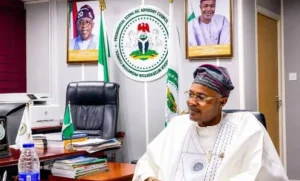
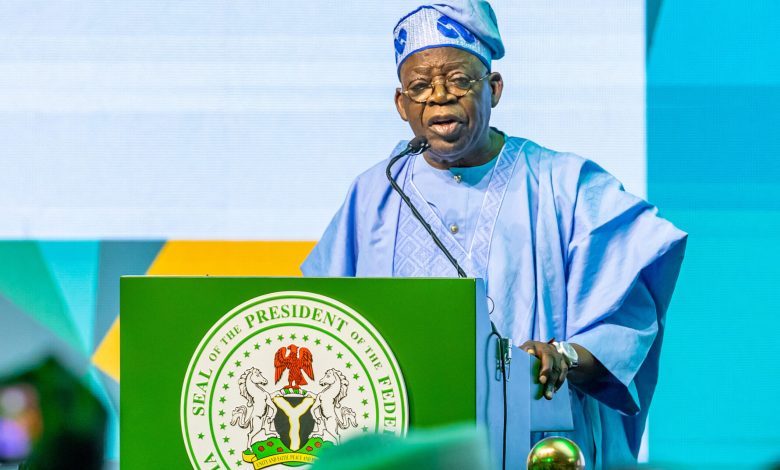
The Special Adviser to the President on Economic Affairs, Dr. Tope Fasua, made this position clear during an appearance on Channels Television on Friday, where he stated: “Nigeria is not a poor country, but we have inequality challenges. We must focus on bridging that gap.”
He acknowledged the existence of poverty but argued that the national focus must shift toward actionable solutions. “The real question is how to solve poverty,” he said, warning that an excessive fixation on poverty “will not allow us to focus on what matters.”
Fasua pointed to indicators suggesting underlying liquidity within the economy. PulseNets learnt that he referenced recent banking sector developments, noting that “about N4.6 trillion was raised by banks in this country recently for recapitalisation,” with “about 80 percent of it from this country.”
Further reinforcing his position, he added, “MTN has consistently generated about 40 percent of its profits from Nigeria. This shows there is money in the system.”
On structural imbalances, Fasua explained that disparities in wealth distribution remain a critical concern. “We may have a scenario where many people are making money, many people are poor, so we need to bridge the gap,” he said, while also flagging informality as a major economic constraint.
PulseNets reported that he disclosed the scale of the issue, stating, “about 70 percent of this economy is informal,” adding that ongoing tax reforms are designed “so that the money that keeps escaping… will be reckoned with and we can get the revenue to develop the country.”
He called on citizens to align with fiscal reforms, stressing compliance with tax obligations. “Let people pay their taxes… so that we can even out the income inequality in this country,” he urged.
Fasua also defended the Federal Government’s 2026 fiscal plan, describing it as forward-looking and expansive. “We should commend Mr. President for thinking big for the people of this country,” he said.
Providing further breakdown, he explained that the N68.32 trillion budget marks a structural shift in spending priorities. “For the first time we’re having about 50 percent capital budget,” he noted, adding, “This is a government that is going somewhere.”
Responding to criticisms surrounding overlapping budget cycles, Fasua maintained that such occurrences are not unprecedented. “Budget overlaps are not new… once the law has been made, it has to be implemented,” he stated.
Also Read: Yobe Prison Break: Nigerian Correctional Service Declares Escaped Inmate Wanted After Crash
On Nigeria’s debt profile, he dismissed concerns about excessive borrowing. “Nigeria is not over-borrowed… our debt is sustainably managed,” he said.
Fasua expressed confidence in the trajectory of ongoing reforms, emphasising long-standing potential now being activated. “This country has potential for so long, but this is the time,” he said, adding that the reforms “will yield results.” He concluded: “It is not going to be a walk in the park… but it is doable.”